


Listen to the article
Steven Tyler Cat Rescue Story Revealed as Social Media Fabrication
A viral claim that Aerosmith frontman Steven Tyler pledged $1 million to build a “cutting-edge cat rescue and rehabilitation center” has been determined to be entirely fictional, according to multiple fact-checking sources.
The fabricated story began circulating on social media platforms in October, quickly gaining traction among music fans and animal lovers alike. The posts described an elaborate sanctuary where Tyler supposedly said, “This won’t just be a shelter. It’ll be a sanctuary — a place where music, art, and compassion come together to heal.”
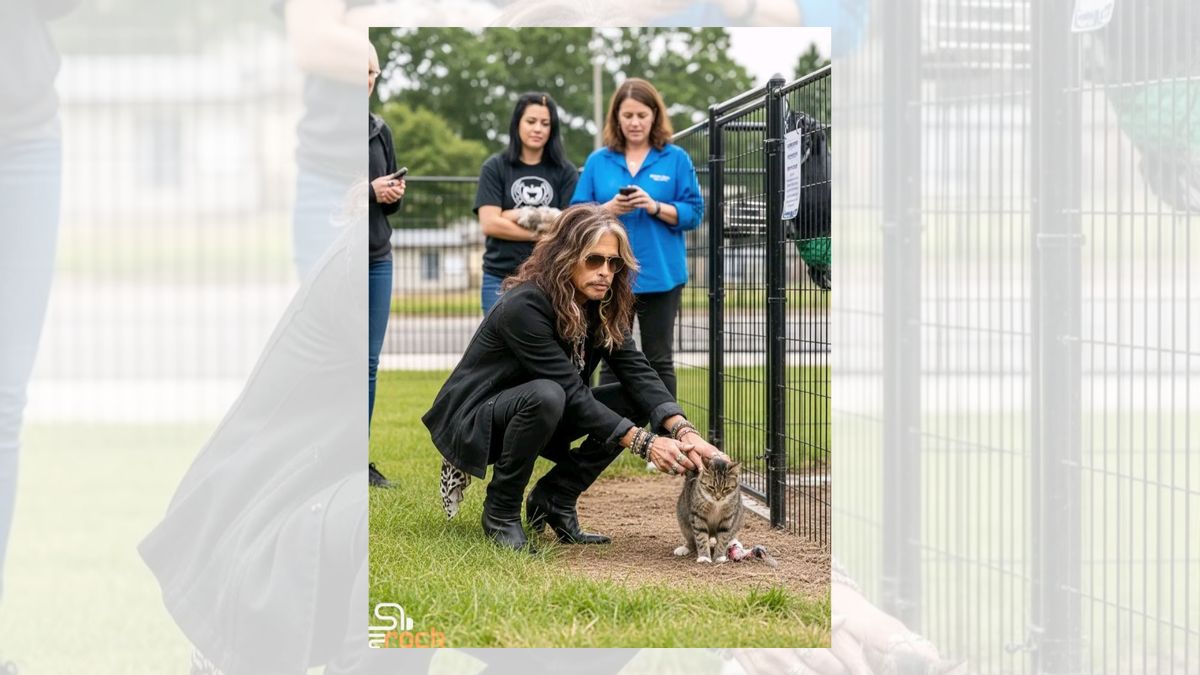
Several Facebook accounts shared the narrative, which included detailed but entirely invented anecdotes about the rock star “kneeling beside injured cats, gently petting them as if greeting old friends.” The story spread rapidly, prompting dozens of readers to seek verification from fact-checking sites.
Investigation revealed the claim originated from a Facebook page called “Rock Revival 60s-90s,” which appears to regularly publish AI-generated images alongside fictional narratives about classic rock musicians. The page has a history of creating similar fabricated stories about Tyler and Aerosmith, all designed to appear heartwarming and shareable.
When subjected to basic verification procedures, the story quickly fell apart. Comprehensive Google searches for “Steven Tyler cat sanctuary” yielded no credible news reports, press releases, or official announcements from Tyler or his representatives. Such a significant charitable commitment from a celebrity of Tyler’s stature would typically generate substantial coverage in entertainment and music industry publications.
Further examination of Tyler’s official social media accounts showed no mention of any cat sanctuary project or significant animal welfare initiative. Neither his Instagram profile nor other official channels contained any references to such a philanthropic endeavor.
The fabricated story bears all the hallmarks of what internet culture refers to as “glurge” — sentimental, supposedly true stories crafted to provoke an emotional response and encourage sharing. These narratives typically feature celebrities performing generous or heartwarming acts without public recognition, playing into audiences’ desire for positive news about public figures.
This isn’t the first time the Rock Revival 60s-90s page has created fictional narratives about the Aerosmith singer. Previous posts included another entirely invented story claiming Tyler invited an elderly woman to perform with him onstage at a concert.
The incident highlights the ongoing challenge of misinformation on social media platforms, where emotionally resonant stories can rapidly spread regardless of their accuracy. Even claims that seem relatively harmless, like a celebrity donating to animal welfare, contribute to an information ecosystem where distinguishing fact from fiction becomes increasingly difficult.
For fans of both Steven Tyler and animal rescue initiatives, the news may come as a disappointment. While the rock star may well support various charitable causes privately, the specific claim about a million-dollar cat sanctuary appears to be nothing more than creative fiction designed to generate engagement on social media.
As social media users encounter similar heartwarming celebrity stories, fact-checking experts recommend verifying such claims through official channels or reputable news sources before sharing them further, regardless of how appealing or plausible they might initially seem.
Fact Checker
Verify the accuracy of this article using The Disinformation Commission analysis and real-time sources.

12 Comments
This is a classic example of how social media can be used to spread false information. While the idea of a rock star opening a high-tech cat sanctuary is an intriguing one, the details here are clearly fictional. Fact-checking is essential to maintaining trust in the media.
Absolutely. It’s concerning to see how quickly these kinds of fabricated narratives can gain traction online. Responsible journalism and media literacy are key to combating the spread of misinformation.
While the idea of a celebrity-backed cat sanctuary is an interesting concept, it’s clear this particular story is completely fabricated. It’s a good reminder to always be skeptical of unverified claims, no matter how compelling they may seem.
Definitely. Social media has made it easier than ever for misinformation to spread, so it’s crucial that readers take the time to fact-check before sharing or believing stories, even if they seem positive or heartwarming.
While the idea of a rock star opening a cat sanctuary sounds heartwarming, this particular story appears to be nothing more than an AI-generated hoax. It’s important to be skeptical of unverified claims, especially when they seem too good to be true.
Absolutely. Social media platforms need to do more to address the proliferation of fabricated content. Readers should always cross-check information with reliable sources before sharing or believing it.
Interesting, but it’s clear this story about Steven Tyler and a cat sanctuary is completely fabricated. Social media can be a breeding ground for misinformation, so it’s good to see fact-checkers setting the record straight.
Agreed. It’s concerning how easily these kinds of fictional narratives can spread online without verification. Fact-checking is crucial to combat the spread of false information.
It’s disappointing to see this kind of misinformation being circulated, even if the intent was to create a feel-good story. While the idea of a celebrity-backed animal sanctuary is appealing, it’s clear this particular story is entirely fabricated. Fact-checking is crucial to maintaining integrity in the media.
Agreed. This case highlights the need for heightened scrutiny and verification of claims, especially those involving public figures. Readers must remain vigilant and cross-reference information with reliable sources to avoid being misled.
It’s disappointing to see this kind of misinformation being spread, even if the intention was to create a feel-good story. Fact-checking is essential to maintain trust in the media and prevent the spread of false narratives.
You’re right. This is a cautionary tale about the importance of verifying information, especially when it comes to high-profile figures and emotionally-charged topics like animal welfare. Vigilance is key.