


Listen to the article
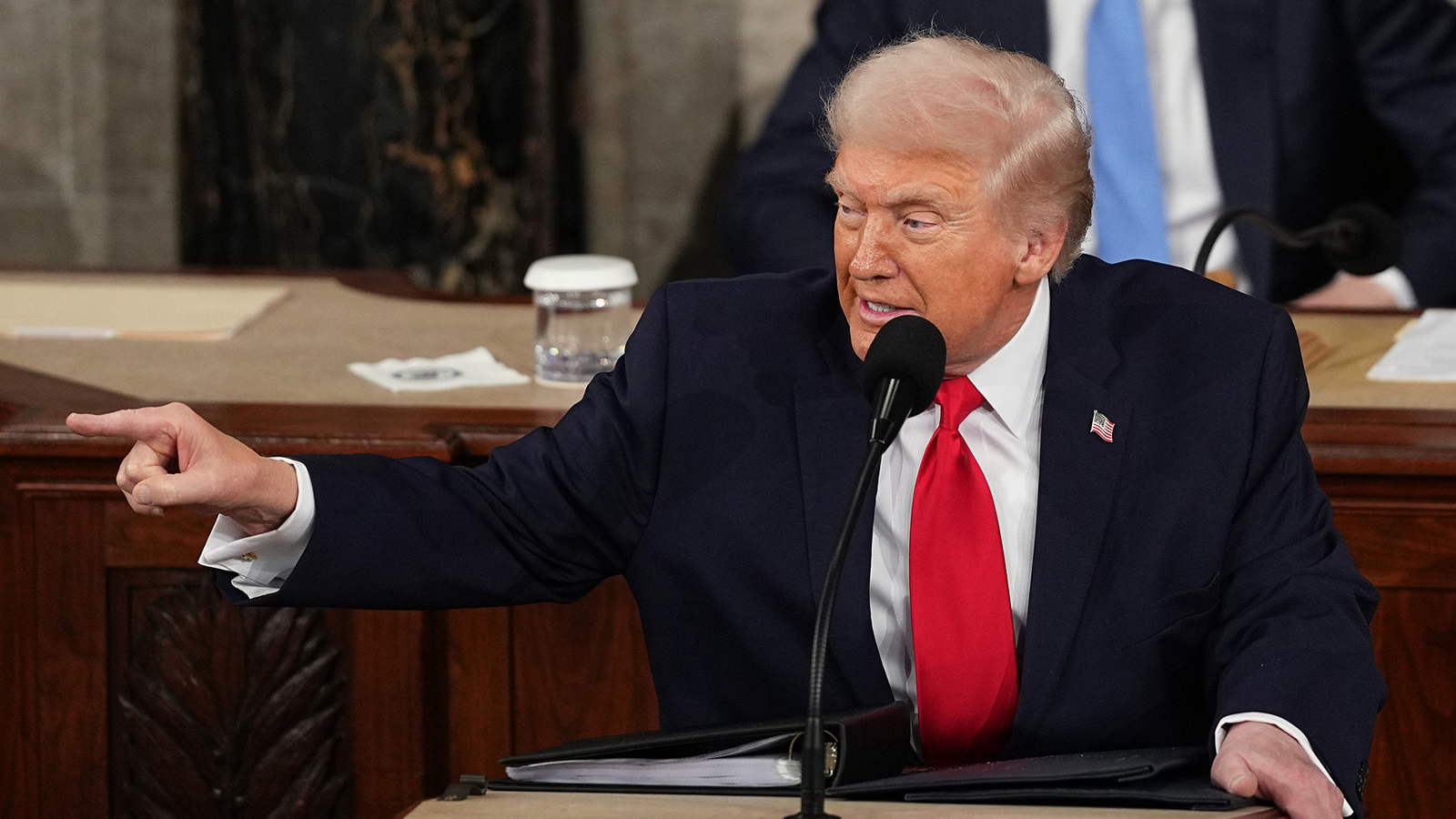
In a climate of heightened political tensions surrounding election integrity, former President Donald Trump’s claim that “cheating is rampant in our elections” continues to face scrutiny from election officials and researchers who point to a significant lack of supporting evidence.
State-level data from multiple jurisdictions directly contradicts this assertion. Recent comprehensive voter roll audits conducted in preparation for the 2024 election reveal exceedingly rare instances of improper voting, particularly regarding noncitizen participation – a frequent focus of Trump’s allegations.
Georgia’s electoral authorities completed a thorough examination of the state’s 8.2 million registered voters, identifying just 20 noncitizens who had registered to vote. Of those, only nine individuals actually cast ballots. This represents an infinitesimal 0.0001% of Georgia’s registered voter population, hardly supporting claims of widespread fraud.
Similar findings emerged from Iowa, where officials reviewing the state’s 2.3 million voters found 87 instances where individuals cast ballots and later self-reported as noncitizens. While slightly higher than Georgia’s numbers, this still represents a mere 0.004% of Iowa’s voter base – far too small to impact election outcomes.
Ohio’s audit yielded comparable results, with minimal evidence of improper voting that falls well short of constituting a significant electoral issue.
These state-level audits align with years of research indicating that voter fraud in American elections remains extraordinarily rare. Election security experts note that existing safeguards effectively prevent large-scale fraud, with violators typically facing swift prosecution.
“Allegations about widespread voter fraud often stem from misunderstandings or mischaracterizations of complex voter data,” explains the nonpartisan Center for Election Innovation & Research. The organization’s research consistently finds that coordinated fraud schemes are virtually nonexistent in American elections.
The persistence of fraud claims despite contradictory evidence has concerned election officials across the political spectrum. Many state election administrators, including Republicans, have publicly defended their systems’ integrity while acknowledging the importance of maintaining voter confidence.
Electoral systems in the United States employ multiple verification layers, including signature matching, identity verification, and post-election audits. These mechanisms have consistently proven effective at detecting the rare instances of attempted fraud, which are typically isolated cases rather than organized efforts.
The gap between allegations and evidence has significant implications for public trust in democratic institutions. Election administration experts warn that unfounded claims about electoral integrity can undermine voter confidence and potentially depress participation.
Meanwhile, state officials continue investing in security measures and transparency initiatives designed to maintain election integrity. These include regular voter roll maintenance, enhanced cybersecurity protocols, and improved public communication about election procedures.
State and federal courts have consistently rejected legal challenges based on claims of widespread fraud, citing insufficient evidence. The Department of Homeland Security’s Cybersecurity and Infrastructure Security Agency characterized the 2020 election as “the most secure in American history,” a assessment that applies to most modern American elections.
As the nation prepares for future elections, the focus on election security remains intense. However, the actual evidence from state audits, nonpartisan research, and court findings consistently indicates that American elections remain remarkably secure, with fraud cases representing statistically insignificant anomalies rather than systemic problems.
The continued circulation of unsubstantiated claims creates challenges for election administrators working to maintain public confidence in a system that, according to the evidence, functions with remarkable integrity despite its decentralized nature across thousands of local jurisdictions.
Fact Checker
Verify the accuracy of this article using The Disinformation Commission analysis and real-time sources.

6 Comments
Interesting to see the data on voter fraud claims. Seems the evidence doesn’t support the narrative of widespread cheating. Looking forward to hearing the President’s full address and assessment of election integrity issues.
Yes, the state-level audits provide a much clearer picture. Curious to see if the President acknowledges these findings or doubles down on the fraud allegations.
As someone who follows mining and energy issues closely, I’m curious to hear if the President touches on the state of critical mineral supplies and efforts to bolster domestic production. That could have big implications for certain commodities and equities.
Good point. The geopolitics around critical minerals have been heating up, so the President’s remarks on that front could be quite relevant for the mining and energy sectors.
Audits showing such low rates of noncitizen voting are reassuring for the integrity of our elections. Though the political rhetoric has been heated, the data appears to tell a different story. Curious to hear the President’s perspective on this.
Agreed, the numbers seem to contradict the claims of widespread fraud. Will be interesting to see if the President addresses the discrepancy between the rhetoric and the empirical evidence.