


Listen to the article
The SpongeBob-Epstein Connection: Anatomy of a False Viral Claim
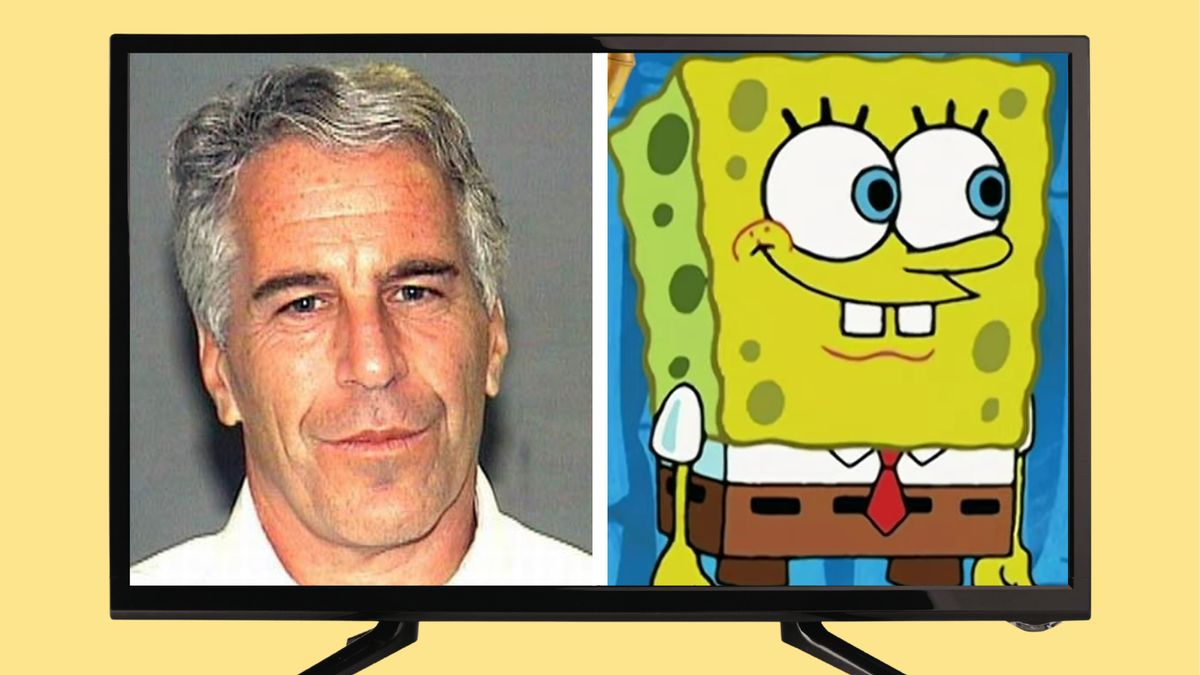
A viral conspiracy theory claiming the beloved children’s cartoon “SpongeBob SquarePants” was created to entertain victims of Jeffrey Epstein’s sex trafficking operation has been thoroughly debunked by fact-checkers.
The claim gained traction on social media following Congress’ passage of the Epstein Files Transparency Act, which mandated the release of government files related to the investigation of the late convicted sex offender. As these documents became public, numerous unfounded conspiracy theories emerged linking unexpected entities to Epstein’s crimes.
Social media posts advancing the SpongeBob conspiracy cited two primary pieces of supposed “evidence”: that the address on SpongeBob’s driver’s license matched a location on Little St. James Island (Epstein’s private property in the U.S. Virgin Islands), and that Nickelodeon’s logo resembles the shape of that island.
Fact-checkers at Snopes had previously investigated both claims and determined them to be false. The latest assertion—that the animated series was specifically created for Epstein’s trafficking victims—is similarly unfounded.
With the government’s extensive collection of Epstein-related files now largely available to the public, researchers searched for any connection between the show and Epstein’s network. A thorough examination revealed only seven incidental references to “SpongeBob” in the files—none suggesting any relationship with Epstein’s criminal activities. These references appeared in a New York Times article, an academic paper, a business pitch, an email newsletter, and three versions of the same crime report containing a screenshot of a MySpace page advertising a SpongeBob screensaver.
Notably, there was not a single mention of Stephen Hillenburg, the show’s creator, anywhere in the released documents. Given the extensive scrutiny of Epstein’s connections over the years, any association between Hillenburg and Epstein would likely have been discovered and publicized by now.
The reality behind SpongeBob’s creation is far less sensational. Hillenburg, who passed away in 2018, was a marine biology teacher with artistic interests before developing the concept for the show. After gaining some animation experience, he pitched the idea to Nickelodeon, which ultimately became one of the network’s most successful programs.
According to a Los Angeles Times profile published after his death, Hillenburg was described as a “private person” who enjoyed outdoor activities like “surfing, snorkeling, scuba diving and playing music.” Nothing in his well-documented professional or personal history suggests any connection to Epstein or his criminal enterprises.
The SpongeBob conspiracy theory joins a growing list of unfounded claims that have circulated online following the release of the Epstein files. Such misinformation often spreads rapidly through social media platforms where sensational content tends to generate engagement regardless of its veracity.
Media literacy experts note that conspiracy theories linking popular cultural phenomena to criminal activities often gain traction because they play on genuine concerns about child welfare while providing simplistic explanations for complex issues. The SpongeBob case demonstrates how easily false narratives can spread in the digital age, particularly when they involve high-profile criminal cases and beloved cultural icons.
As government documents related to the Epstein investigation continue to be scrutinized, fact-checkers remain vigilant in separating legitimate information from unfounded conspiracy theories.
Fact Checker
Verify the accuracy of this article using The Disinformation Commission analysis and real-time sources.

9 Comments
Wow, this is a wild conspiracy theory! I’m glad it’s been thoroughly debunked. Linking a beloved kids’ cartoon to Epstein’s crimes is just ridiculous. We should be careful about spreading unfounded claims, even in jest.
I appreciate the diligent work of fact-checkers in debunking these types of baseless conspiracy theories. It’s crucial that we don’t allow false narratives to gain traction, especially when they could be hurtful or damaging. Kudos to the media for setting the record straight on this one.
I have to say, the idea of SpongeBob being linked to Epstein’s trafficking operation is just plain bizarre. It’s a good reminder that we shouldn’t believe everything we see online, no matter how sensational it may seem. Fact-checking is crucial to maintaining the truth.
While it’s natural for people to want to connect the dots, we have to be very careful about making unsupported claims, especially when they involve serious crimes. I’m glad the SpongeBob-Epstein link has been firmly dismissed as false. We need to be vigilant against the spread of misinformation.
Interesting to see how quickly misinformation can spread, even about something as innocent as SpongeBob. It’s important to rely on authoritative sources and fact-checkers to separate truth from fiction, especially when it comes to sensitive topics like this.
While I appreciate the desire to uncover the truth, making unsupported connections between a children’s cartoon and a horrific crime like human trafficking is deeply irresponsible. I’m glad the fact-checkers were able to swiftly debunk this conspiracy theory. We need to be very careful about the information we amplify online.
You’re right, we have to be extremely cautious about spreading unverified claims, especially when they could be hurtful or harmful. Fact-checking is crucial to maintaining the integrity of the information we share. Thanks for highlighting the importance of relying on credible sources.
Huh, I hadn’t heard about this conspiracy theory before. It’s pretty wild, but I’m glad the authorities and fact-checkers have thoroughly debunked it. We need to be very cautious about spreading unsubstantiated claims, even if they seem intriguing. Thanks for sharing this information!
Absolutely, it’s important to rely on authoritative sources and verified facts, especially when dealing with sensitive topics like this. Conspiracy theories can spread like wildfire, but we have to resist the temptation to jump to conclusions without solid evidence.