


Listen to the article
Social Security Administration Changes Spark Political Controversy Amid Fraud Claims
Sweeping changes at the Social Security Administration (SSA) have ignited a political firestorm, with Democrats warning of potential benefit disruptions while Republicans focus on eliminating fraud and waste. Despite heated rhetoric suggesting benefits might be cut, experts clarify that no formal proposal exists to reduce legally mandated benefits.
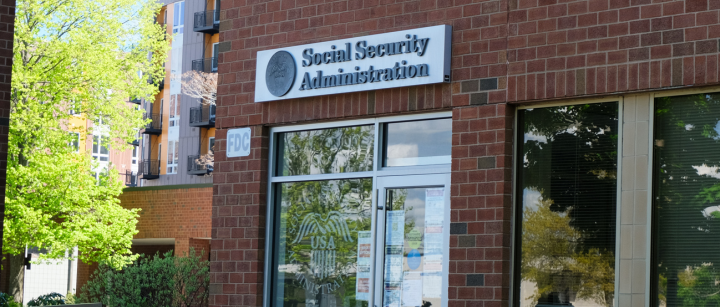
In late February, the SSA announced plans to eliminate 7,000 jobs—approximately 12% of its 57,000-person workforce—while consolidating regional offices from ten to four. This restructuring coincides with controversial statements from White House adviser Elon Musk, who leads the Department of Government Efficiency (DOGE), claiming hundreds of billions could be saved by addressing waste and fraud in entitlement programs.
Further fueling concerns, the SSA implemented new identity verification procedures that require beneficiaries applying for retirement or seeking to change direct deposit information to use online accounts or visit field offices in person, rather than handling these matters by telephone.
Democratic lawmakers have seized on these developments, with some suggesting they represent groundwork for privatizing Social Security. Senator Bernie Sanders claimed the administration is “prepared to destroy Social Security” to benefit the wealthy, while Representative John Larson speculated Republicans want to “make it appear that it’s not working” to justify privatization.
Senate Democrats Elizabeth Warren and Ron Wyden expressed “deep concerns” in a letter to SSA nominee Frank Bisignano that the Trump administration is “setting up the SSA for failure” to justify a “private sector fix.”
However, experts note these claims often blur the distinction between administrative changes and benefit reductions. Romina Boccia, director of budget and entitlement policy at the Cato Institute, told reporters that while concern about administrative changes affecting access to benefits is “warranted,” these changes “won’t affect the statutory eligibility of people.” She characterized some Democratic messaging as “intentionally conflating these two issues to engage in fearmongering.”
At his confirmation hearing, Bisignano directly addressed privatization concerns: “I’ve never thought about privatizing. It’s not a word that anybody’s ever talked to me about. And I don’t see this institution as anything other than a government agency that gets run for the benefit of the American public.”
Nevertheless, social policy experts express legitimate concerns about the SSA’s operational capacity amid these changes. Pamela Herd, professor at the University of Michigan, stated, “I genuinely have never been this concerned about the ability of that agency to function,” citing the enormous workload of managing benefits for over 68 million Americans, issuing Social Security numbers, and tracking workers’ earnings.
Musk’s claims about Social Security fraud have also drawn scrutiny. While he suggested potential savings of $500-700 billion annually from eliminating waste in entitlement programs, official reports from the SSA’s Office of Inspector General present a different picture. Improper payments averaged about 0.84% of disbursements from 2015 to 2022, totaling approximately $9 billion annually, with only about $102 million per year attributable to fraud—a tiny fraction of the $1.5 trillion in annual Social Security benefit payments.
President Trump has maintained that “Social Security won’t be touched, other than if there’s fraud or something we’re going to find. It’s going to be strengthened.”
As the Social Security trust fund faces potential depletion by 2033—at which point the agency could only pay 79% of promised benefits without Congressional action—the debate over administrative changes versus benefit adjustments continues to divide political discourse, with Americans caught in the middle of competing narratives about the future of this critical safety net program.
Fact Checker
Verify the accuracy of this article using The Disinformation Commission analysis and real-time sources.

11 Comments
Interesting developments at the SSA. While streamlining operations may improve efficiency, any changes to benefit access and verification procedures need to be carefully implemented to avoid disrupting vulnerable recipients. Transparency and stakeholder input will be critical here.
Agreed. The SSA must balance modernization efforts with ensuring continued access and support for beneficiaries, especially the elderly and disabled. Clear communication from the agency will be key to addressing concerns.
The SSA changes raise valid questions about potential impacts on vulnerable populations. While modernization efforts are understandable, great care must be taken to ensure no one falls through the cracks, especially given the essential nature of Social Security benefits.
While I’m generally supportive of efforts to improve government efficiency, the SSA changes raise valid concerns about potential disruptions to vital benefits. Any modernization must be implemented thoughtfully to protect vulnerable populations who rely on these programs.
As someone who works in the mining industry, I’m always interested in how policy and regulatory changes can impact commodity markets. The SSA developments bear watching, as they could influence demand and prices for key materials like copper, lithium, and uranium.
Agreed. The mining sector is highly sensitive to shifts in government programs and infrastructure spending. Even seemingly unrelated changes at agencies like the SSA can have ripple effects across the commodities landscape.
This is a complex issue with valid concerns on both sides. On one hand, eliminating waste and fraud in entitlement programs is a worthy goal. But any changes must be done thoughtfully to protect those who rely on these critical benefits. Nuance and collaboration will be essential.
Well said. Striking the right balance between program integrity and beneficiary access will require careful policy development and implementation. Hopefully lawmakers can move past partisan posturing to find constructive solutions.
As an investor in mining and energy, I’m curious to see how these SSA developments may impact demand for certain commodities like lithium, copper, and uranium. Changes to social programs can have ripple effects across the economy.
That’s an interesting angle. Any major shifts in Social Security could certainly influence broader economic and market trends, including in the mining and energy sectors. Worth keeping an eye on how this situation evolves.
It’s concerning to hear about potential job cuts at the SSA, which could strain the agency’s ability to serve beneficiaries. Streamlining is understandable, but not at the expense of disrupting critical services. Hope they can find a way to modernize efficiently.