


Listen to the article
Scammers Target Filipinos with Fake Government Aid Claims on Social Media
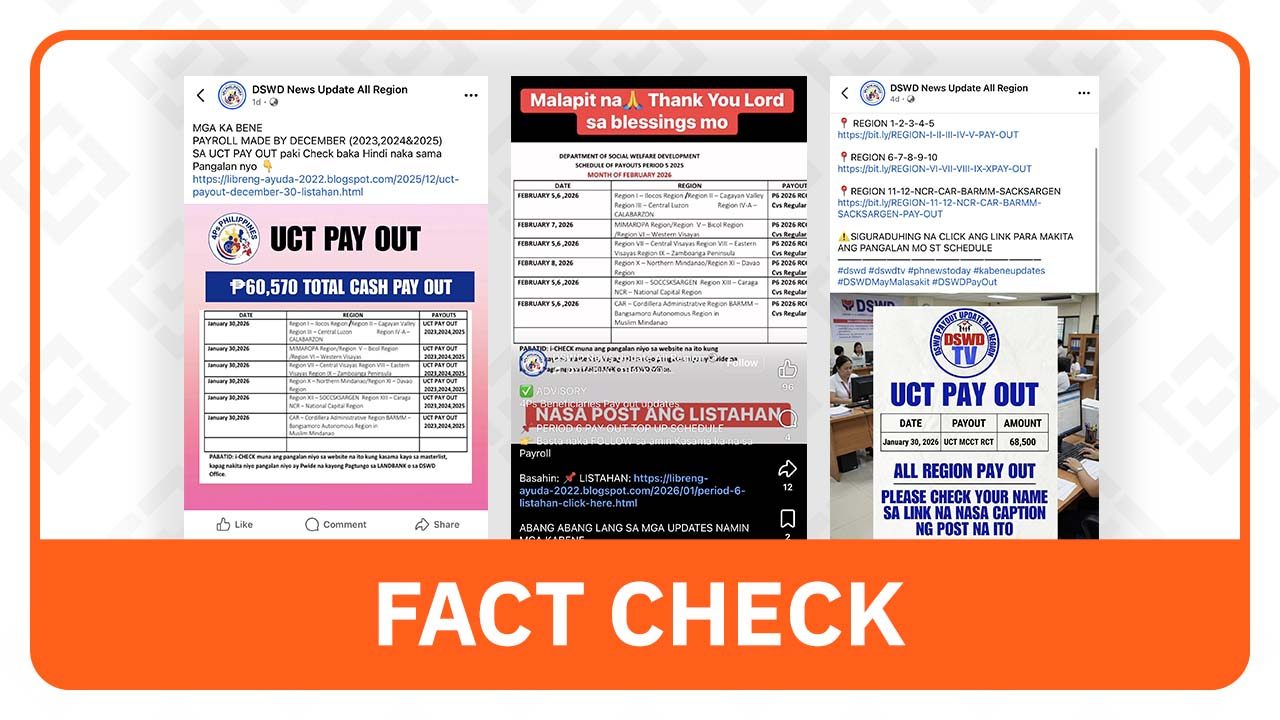
The Department of Social Welfare and Development (DSWD) has issued fresh warnings about fraudulent content circulating on social media regarding government assistance programs. A Facebook page falsely claiming to be affiliated with the agency has been sharing deceptive links purporting to provide payout schedules and beneficiary lists for the long-discontinued Unconditional Cash Transfer (UCT) program.
The page, “DSWD News Update All Region,” which has amassed over 66,000 followers, recently published posts claiming to offer nationwide payout schedules and a list of beneficiaries allegedly eligible to receive P60,570 in cash aid through the UCT program. One post from January 28 garnered significant engagement, with over 1,200 reactions, 300 comments, and 130 shares. Similar videos on the page have received thousands of views.
However, the DSWD has confirmed that these claims are entirely false. The UCT program, which was designed to assist impoverished households affected by the Tax Reform for Acceleration and Inclusion (TRAIN) Law, officially ended in 2020 due to lack of funding. During its operational period from 2018 to 2020, eligible beneficiaries received modest monthly stipends of P200 in the first year and P300 in subsequent years—nowhere near the P60,570 figure mentioned in the fraudulent posts.
The problem extends beyond misleading information about program availability. The supposed registration links shared by the page redirect users to gambling websites or unrelated blog sites with no connection to the DSWD or any legitimate government agency. This practice raises serious concerns about potential phishing attempts targeting vulnerable Filipinos.
DSWD Assistant Secretary Irene Dumlao addressed the issue on January 27, stating, “We do not know the purpose of the video, but obviously, it damages the reputation of the department. That is why, to our netizens, do not immediately believe posts like these, and be discerning before sharing any content.”
The agency has noted a concerning trend in the sophistication of these scams, with perpetrators increasingly using artificial intelligence to generate convincing videos and images that mimic official DSWD communications. These digitally manipulated materials often show what appear to be government officials directing citizens to register through suspicious links that request personal and confidential information—a classic phishing tactic.
This incident is part of a broader pattern of misinformation regarding government assistance programs in the Philippines. Fact-checking organization Rappler has previously debunked multiple false claims about cash assistance programs and registration processes, particularly those related to the UCT program.
The proliferation of these scams comes at a particularly vulnerable time for many Filipinos facing economic hardship, making them more susceptible to promises of government financial aid. Social media platforms have become fertile ground for such deceptive practices, with fraudulent pages often mimicking official government accounts in appearance and terminology.
Authorities encourage citizens to verify information through official government websites and social media accounts before providing personal information or sharing unverified content. The DSWD regularly updates its official channels with legitimate information about active assistance programs and does not request registration through third-party links.
As digital scams become increasingly sophisticated, government agencies continue to emphasize the importance of digital literacy and critical information consumption among the public to protect vulnerable citizens from exploitation.
Fact Checker
Verify the accuracy of this article using The Disinformation Commission analysis and real-time sources.

9 Comments
It’s really disappointing to see scammers taking advantage of people in need this way. The DSWD needs to crack down hard on these fraudulent pages and do everything they can to protect vulnerable Filipinos from falling victim to these deceptive tactics.
This is a good warning about the importance of verifying the legitimacy of any online claims about government assistance. Scammers often try to leverage people’s financial hardships, so it’s critical to only trust official sources when it comes to social welfare information.
Absolutely. Fact-checking and cross-referencing claims against official government channels is key to avoiding these types of scams.
It’s really disheartening to see scammers exploiting vulnerable communities this way. The DSWD needs to take strong action to shut down these fraudulent pages and warn the public about the dangers of falling for these kinds of deceptive claims.
This is a prime example of the lengths scammers will go to to defraud people. Preying on the desperation of those in need of government assistance is a particularly low and unethical tactic. I hope the authorities can swiftly address this issue and prevent further victims.
I agree, the authorities need to come down hard on these scammers to send a strong message that this kind of fraud will not be tolerated.
Wow, this is a really concerning scam targeting vulnerable Filipinos. It’s sad to see fraudsters taking advantage of people in need of government aid. I hope the authorities can crack down on this and warn the public to be extremely cautious of any unsolicited claims or links related to social welfare programs.
This is a timely warning about the importance of verifying the legitimacy of any online claims related to government assistance programs. Scammers are constantly finding new ways to exploit people’s financial vulnerabilities, so we all need to stay vigilant.
Fake government aid claims are unfortunately all too common these days. It’s crucial for people to be extremely cautious about any unsolicited offers or links related to social welfare programs, and to only trust information from official government sources.