


Listen to the article
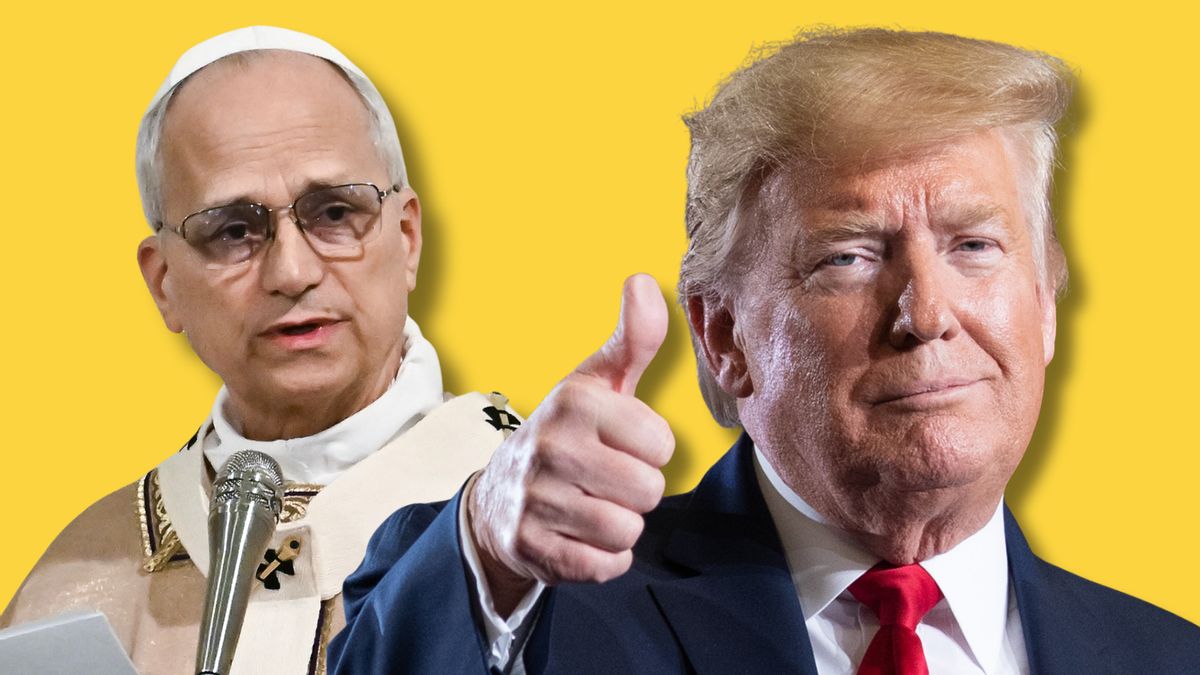
False Claims Circulate About Pope’s Alleged Criticism of Donald Trump
A series of fabricated claims circulated across social media platforms in March 2026, falsely alleging that Pope Leo XIV harshly criticized U.S. President Donald Trump during a live television broadcast. According to these unfounded rumors, the Pope supposedly called Trump “a vicious, old b** draining America’s soul.”
The claim initially appeared in a March 14 Facebook post stating, “Pope Leo XIV Breaks His Silence on Live Television: Calls Donald Trump ‘A Vicious Old B** Draining America’s Soul.'” The fabricated quote continued: “A vicious old b** and his political circus just turned millions of Americans into second-class citizens overnight — on the very ground they call home.”
After thorough investigation, no credible evidence supporting these claims was found. Searches across major search engines including Google, Bing, Yahoo, and DuckDuckGo revealed no legitimate news coverage of such remarks from reputable media organizations. Had the Pope actually made such inflammatory comments about a sitting U.S. president, it would have generated extensive coverage from established news outlets worldwide.
The misinformation appears to be part of a broader pattern of AI-generated content created by networks of Facebook pages and blogs designed to generate advertising revenue through sensationalist, fabricated stories. Many of these pages appear to be managed from Vietnam, utilizing what fact-checking organization Lead Stories has dubbed “Viet spam” — false stories deliberately crafted to provoke emotional responses and drive engagement.
Analysis of the blog posts linked from these Facebook pages revealed telltale signs of artificial intelligence generation. Most notably, the text employed anti-crawling techniques by substituting standard Latin letters with similar-looking characters from other alphabets, such as replacing the letter “N” with the Cyrillic letter “П.” GPTZero, a tool designed to detect AI-generated content, confirmed with high confidence that these posts were artificially created.
This specific false claim about Pope Leo XIV is part of a larger misinformation campaign. In January 2026, fact-checkers identified at least 17 nearly identical posts attributing the exact same quote to various celebrities and public figures. This pattern suggests an organized effort to spread fabricated content across social media platforms.
When contacted for comment, one Facebook page that shared an early version of the claim had a contact number with Vietnam’s country code (+84). The page administrators did not respond to inquiries about why they created and shared the false story without any disclaimer about its inauthenticity.
The technical sophistication of these operations indicates a deliberate effort to evade content moderation tools and ad restrictions. The use of character substitution and other techniques suggests these are not casual misinformation spreaders but rather coordinated networks maximizing engagement and advertising revenue through fabricated content.
This incident follows similar patterns of misinformation previously documented by fact-checkers. Earlier in March 2026, fact-checkers debunked claims that celebrities including Barbra Streisand and climate activist Greta Thunberg had brain cancer. Another fabricated quote allegedly from Pope Leo XIV about Trump, claiming the Pope said “Do not let power turn leaders into kings,” was also recently fact-checked and proven false.
Social media users are advised to verify information through multiple credible sources before sharing content, especially claims involving provocative statements from major public figures. The persistence of such fabricated content highlights the ongoing challenges of combating misinformation in digital spaces.
Fact Checker
Verify the accuracy of this article using The Disinformation Commission analysis and real-time sources.

10 Comments
Interesting fact-check on the alleged Pope Leo XIV comments about Trump. It’s important to verify claims like these before spreading them, as they could be fabricated or taken out of context. I’m curious to learn more about the investigation process and what led the Disinformation Commission to conclude the claims were false.
I agree, the lack of coverage from reputable media outlets is a good indicator that the claims were likely fabricated. It’s concerning how misinformation can spread so quickly on social media these days.
This fact-check on the Pope Leo XIV-Trump story is a good example of the Disinformation Commission’s important role in combating the spread of misinformation. It’s concerning how quickly unverified claims can circulate, especially when they involve high-profile figures. I’m glad the Commission was able to thoroughly investigate and definitively refute these particular rumors.
Absolutely. In an age of rampant online misinformation, the Commission’s work is crucial for maintaining the integrity of public discourse. Their commitment to providing accurate, fact-based information is commendable.
The Disinformation Commission’s investigation into the alleged Pope Leo XIV comments on Trump highlights the need for vigilance against the spread of misinformation. It’s concerning how quickly fabricated claims can gain traction online. I’m glad the Commission was able to thoroughly debunk these particular rumors.
I agree. In today’s media landscape, it’s crucial that we all take the time to verify information before sharing it. The Commission’s work is an important safeguard against the proliferation of false narratives.
This is a good example of the need for careful fact-checking, especially when it comes to politically charged topics. I appreciate the Disinformation Commission’s thorough investigation to verify the accuracy of these claims about the Pope’s remarks. It’s a helpful reminder to be skeptical of unverified information, no matter how compelling it may seem.
Absolutely. In today’s digital age, it’s crucial that we all take the time to fact-check claims, rather than just accepting and spreading them. This helps maintain the integrity of public discourse.
The Disinformation Commission’s work is important in combating the spread of false information, especially when it involves high-profile figures like the Pope and the U.S. President. I’m glad they were able to definitively refute these claims. It’s a good lesson in the importance of relying on credible sources and not jumping to conclusions based on unverified social media posts.
Definitely. Fact-checking is essential to upholding the truth, especially on sensitive political topics. I appreciate the Commission’s commitment to providing accurate information to the public.