


Listen to the article
As nightfall descends on the City of Light, Paris authorities are grappling with a concerning pattern of urban violence that has repeatedly marred major public events over the past two years, according to city officials.
Law enforcement agencies have documented a troubling series of incidents involving clashes between rioters and police, systematic looting of retail establishments, and significant property damage during what should be celebratory occasions in the French capital.
The problem appears particularly acute in certain districts, though officials have not specified which neighborhoods are most affected. Security experts suggest that areas with high tourist concentrations and commercial districts have been disproportionately targeted.
“What we’re seeing isn’t random or spontaneous,” said a police spokesperson who requested anonymity because they weren’t authorized to speak publicly. “These are organized actions that take advantage of large crowds and stretched security resources during major events.”
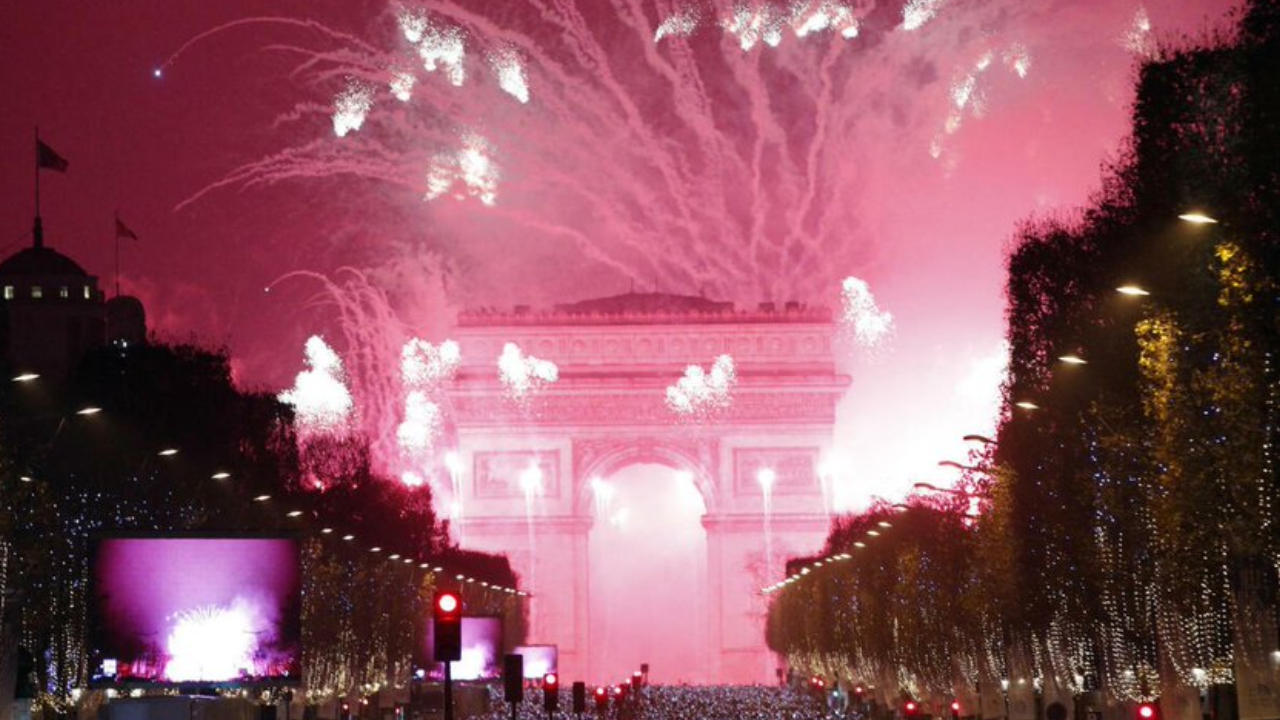
The pattern was especially evident during last year’s New Year’s Eve celebrations when authorities recorded hundreds of vehicle arsons across the Paris metropolitan area. Police made dozens of arrests that night as emergency services struggled to respond to the widespread destruction.
This recurring violence presents a significant challenge for Paris, a global tourism hub that welcomes approximately 30 million visitors annually. The city’s economy relies heavily on its reputation as a safe, welcoming destination for international travelers.
The timing is particularly concerning as Paris prepares to host the 2024 Summer Olympics, an event that will place unprecedented demands on the city’s security infrastructure. Local officials have been working closely with national security agencies to develop comprehensive strategies to prevent similar outbreaks during the Games.
Urban violence in Paris often reflects deeper socioeconomic tensions that exist within the greater metropolitan region. The city has long struggled with inequality between its affluent central districts and less privileged suburban areas known as “banlieues.”
“These incidents reflect complex social issues that can’t be solved through policing alone,” explained Dr. Marie Laurent, a sociologist at Sciences Po who studies urban conflict. “While maintaining order is essential, addressing root causes like economic opportunity and social inclusion is equally important.”
The French government has responded with increased security measures for upcoming public events, including expanded CCTV coverage and deployment of specialized anti-riot units. However, critics argue these approaches address symptoms rather than causes.
Business owners in affected areas have expressed growing frustration with the situation. The Paris Chamber of Commerce estimates that property damage and lost revenue from these incidents have cost local businesses tens of millions of euros over the past two years.
“Every time there’s a major event, we close early and board up our windows,” said Philippe Moreau, who owns a boutique near Place de la République. “It’s becoming part of our business model to expect disruption, which is simply unsustainable.”
City officials have pledged to enhance coordination between police, emergency services, and community organizations ahead of upcoming events. This includes targeted interventions in known hotspots and improved intelligence gathering to anticipate potential trouble.
The incidents in Paris mirror similar challenges faced by other major European capitals, including London and Berlin, where public celebrations have occasionally been marred by violence in recent years. Urban security experts point to common factors across these cities, including wealth inequality, social marginalization, and the amplifying effect of social media in organizing disruptive activities.
As Paris works to address these recurring security challenges, the solutions will likely require a balanced approach combining effective law enforcement, community engagement, and addressing underlying social factors that contribute to urban unrest.
Fact Checker
Verify the accuracy of this article using The Disinformation Commission analysis and real-time sources.

10 Comments
It’s worrying to hear that certain districts and commercial areas seem to be disproportionately targeted. The organized nature of these incidents is especially concerning. Hopefully the authorities can identify the root causes and take appropriate measures to prevent future disruptions.
Agreed, a comprehensive, multi-faceted approach will likely be needed to address the underlying issues. Community engagement and collaboration with local stakeholders could also be important elements of an effective solution.
Disappointing to see the security concerns force the cancellation of New Year’s celebrations on the Champs-Élysées. Authorities must take decisive action to address the concerning pattern of urban violence and safeguard public events in Paris.
Agreed, the safety of citizens and visitors should be the top priority. Hopefully the city can work with law enforcement to develop effective strategies to mitigate these issues in the future.
The vehicle arsons during last year’s New Year’s celebrations are particularly alarming. Authorities must be proactive in securing major public events and deterring such destructive behavior. I hope the city can regain control of the situation and restore a sense of safety and celebration.
Canceling the New Year’s Eve celebrations on the Champs-Élysées is a prudent decision given the security concerns. Maintaining public safety should be the top priority, even if it means sacrificing a beloved annual tradition. Hopefully the city can work to address the root causes and restore a sense of order and celebration for future events.
Canceling the Champs-Élysées celebrations is certainly a difficult but necessary decision given the security concerns. The health and safety of the public should be the top priority. Hopefully the city can work to address the root causes and restore a sense of security for future events.
The reported incidents of clashes, looting, and property damage are quite troubling. Maintaining public order and security during major events is critical, though the solutions may not be straightforward. Curious to see how Paris officials plan to address this challenge.
The pattern of urban violence targeting major public events in Paris is deeply concerning. Authorities must take a comprehensive and strategic approach to address the underlying issues and ensure the safety of residents and visitors. Curious to see what specific measures they plan to implement.
Agreed, a multi-pronged strategy involving law enforcement, community engagement, and infrastructure improvements may be required. Transparency and collaboration with the public will be crucial to restoring a sense of security and public trust.