


Listen to the article
In a wave of misinformation following recent border tensions between Pakistan and Afghanistan, social media users have been circulating misleading content that requires correction.
An investigation into viral content allegedly showing casualties from the recent Pakistan-Afghanistan clashes has revealed multiple instances of false information being spread online.
Fact-checkers have determined that a widely shared video, which some users claimed showed recent conflict casualties, actually dates back to 2022 and was filmed in Rajasthan, India. The footage, which gained significant traction across multiple platforms, has no connection to the current situation along the Afghanistan-Pakistan border.
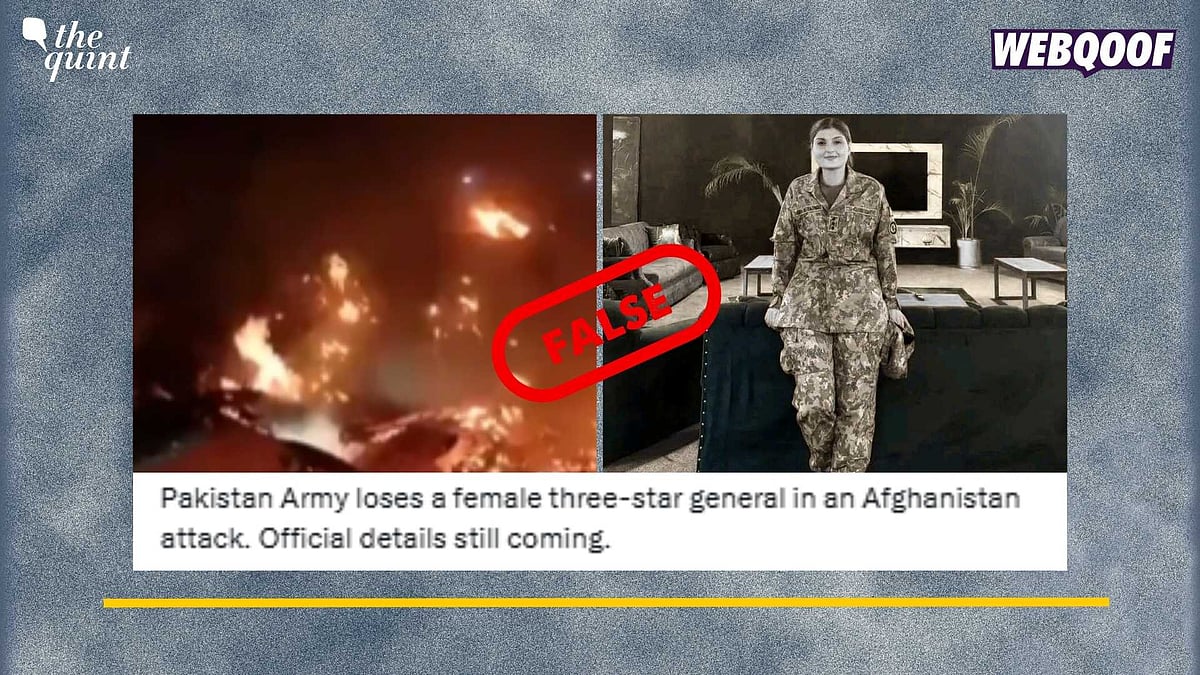
Similarly, an image purportedly showing a Pakistani general who died in recent hostilities has been debunked. While the original source of this particular image could not be definitively traced, verification efforts have conclusively established that it does not depict any Pakistani military official killed in the ongoing border tensions.
In another instance of misinformation, social media accounts shared an image allegedly showing a female soldier who lost her life in the conflict with Afghanistan. This claim has also been determined to be completely fabricated.
The spread of such misinformation comes at a particularly sensitive time, as relations between Pakistan and Afghanistan have deteriorated in recent weeks. Border skirmishes have increased tensions between the neighboring countries, with both sides reporting military and civilian casualties.
Security analysts point out that the Afghanistan-Pakistan border region has long been a flashpoint for conflict. The 2,600-kilometer border, known as the Durand Line, remains disputed, with Afghanistan historically refusing to recognize it as an international boundary. The Taliban’s return to power in Afghanistan in 2021 has further complicated bilateral relations.
“In conflict situations, misinformation often spreads rapidly through social media channels,” explains Dr. Samina Ahmed, a regional security expert. “The emotional impact of such content makes verification crucial before sharing, especially when tensions are high.”
Digital misinformation researchers note that falsely attributed images and videos tend to gain traction during periods of heightened public anxiety about regional conflicts. These misleading posts often exploit genuine public concern and nationalist sentiments to generate engagement.
Media literacy advocates emphasize the importance of verifying information before sharing, especially content related to sensitive geopolitical issues. Simple verification steps include checking multiple reliable news sources, conducting reverse image searches, and considering the plausibility of claims before amplifying them online.
Pakistan and Afghanistan have a complex history of diplomatic relations, with periodic tensions over border management, refugee issues, and allegations of harboring militant groups. Economic ties between the two countries have also suffered during periods of political disagreement.
The Pakistani military has not issued any official confirmation of high-ranking casualties that would match the viral claims. Similarly, no credible news organizations have reported the death of a female Pakistani soldier in recent border incidents.
Authorities on both sides of the border continue to monitor the situation, with diplomatic channels reportedly working to de-escalate tensions. Meanwhile, international observers have called for restraint and dialogue to prevent further escalation.
Fact-checking organizations across the region continue to monitor and debunk false claims related to the conflict, highlighting the critical role of information verification in conflict-sensitive reporting.
As the situation develops, experts recommend that the public rely on established news sources rather than unverified social media content for accurate information about developments along the Afghanistan-Pakistan border.
Fact Checker
Verify the accuracy of this article using The Disinformation Commission analysis and real-time sources.

7 Comments
This highlights the need for greater media literacy and critical thinking when consuming news, especially around geopolitical conflicts. I hope this experience encourages people to be more discerning about the sources they trust.
This is a good reminder of the importance of staying informed from reputable, fact-based sources. The proliferation of misinformation online can be really damaging, especially when it touches on geopolitical conflicts. I applaud the efforts to set the record straight.
It’s concerning to see the spread of misinformation around such a sensitive geopolitical issue. Fact-checking and verifying claims is so important, especially in times of heightened tensions. I appreciate the efforts to debunk these false narratives.
The sharing of unverified content, especially related to casualties, is extremely irresponsible. I’m glad the investigation was able to determine the true origins of the misleading footage and images. Maintaining factual reporting is crucial in these situations.
Absolutely. Verifying information before amplifying it on social media is a basic responsibility we all share. Spreading unconfirmed claims, even inadvertently, can have real consequences.
It’s disappointing to see how quickly misinformation can spread, especially on sensitive topics. I’m glad the fact-checkers were able to thoroughly investigate and debunk these false claims. Responsible reporting is essential in these situations.
Agreed. We have to be vigilant about verifying information, especially when emotions are high. Fact-checking takes time and effort, but it’s the only way to combat the spread of misinformation.