


Listen to the article
Energy Crisis: Experts Weigh In on North Sea Drilling as Solution to Rising Prices
Global energy prices have surged amid the US-Iran conflict, prompting UK Prime Minister Keir Starmer to announce measures aimed at easing the financial burden on British households. Last week, the government unveiled a £53 million fund to support homes reliant on heating oil, while those using mains gas and electricity will benefit from a lower price cap scheduled for a three-month implementation starting in April.
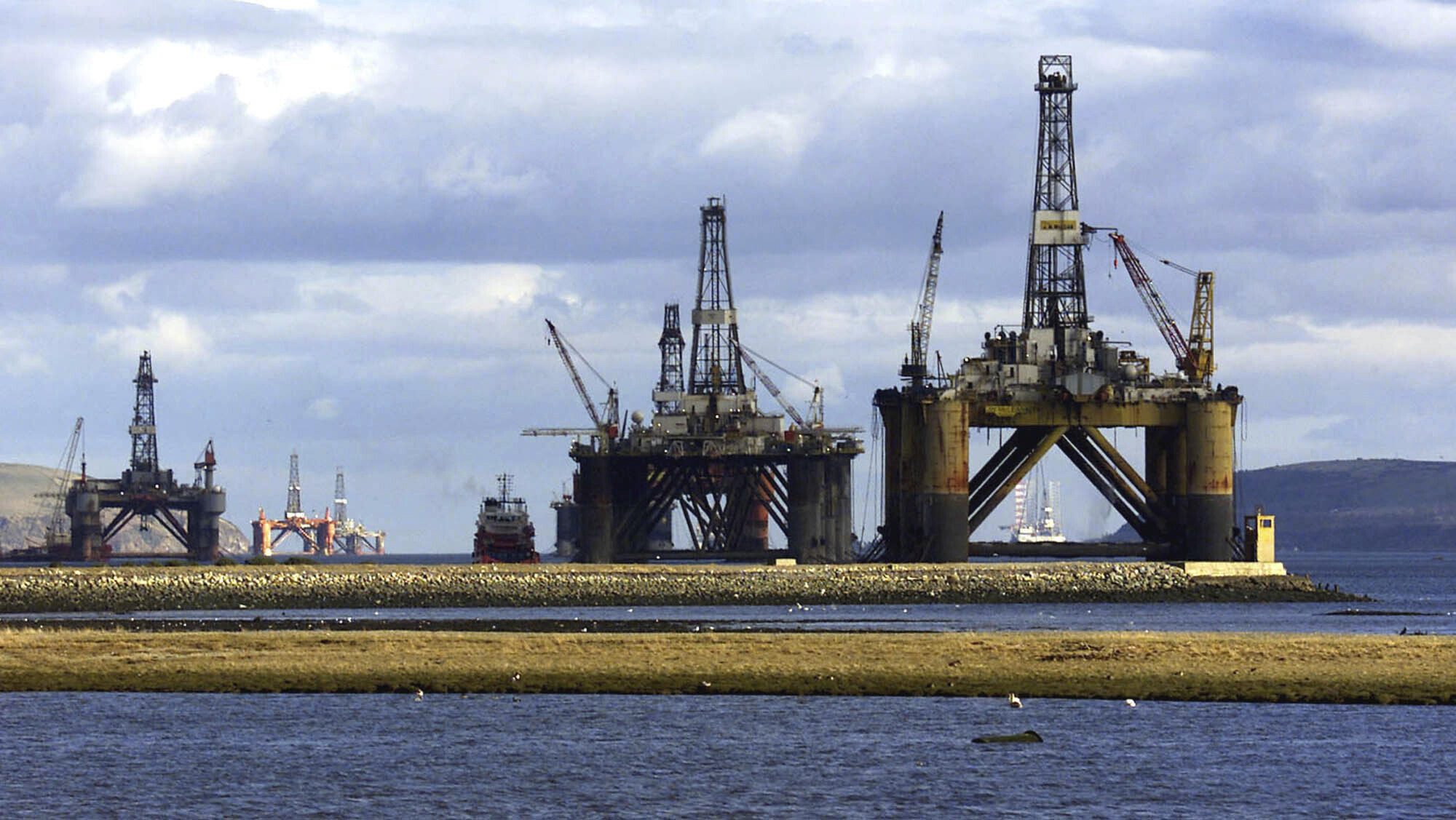
As energy costs continue to climb, Conservative Party leader Kemi Badenoch and other political figures have advocated for increased North Sea oil drilling as a potential solution to the crisis. But energy experts suggest the reality is more complex.
The UK currently obtains approximately 40 percent of its oil requirements from domestic North Sea production, with Norway supplying the majority of imports, according to Dr. Hafez Abdo, an associate professor at Nottingham University who specializes in the oil and gas industry’s role in the transition to net zero. Additional supplies come from the United States, Saudi Arabia, Nigeria, and Kazakhstan.
However, the UK government announced last November that it would issue no new oil and gas exploration licenses, becoming the largest economy to formally take this significant environmental step. Current production continues only from operations that were already active before the end of last year, and these will only remain operational for their natural lifespan.
When asked if drilling for more North Sea oil would alleviate the current energy price crisis, experts suggested that rather than opening closed sites or developing new ones, intensifying production at currently active locations would be more practical.
Dr. Abdo explained that new drilling projects typically require significant time before production begins, making them ineffective for addressing immediate supply shortages. He also highlighted ethical concerns, noting that new drilling would contradict the UK’s net zero commitments and potentially undermine climate change mitigation efforts.
“Ramping up production at existing sites during the current price surge would just be a short-term solution,” Dr. Abdo noted.
As for whether increased North Sea drilling would actually lower energy prices, experts remain skeptical about direct consumer benefits. Dr. Mark Ireland, a lecturer in energy geoscience at Newcastle University, told researchers that it would be “extremely unlikely” to directly reduce energy prices.
However, he suggested that government revenues from increased production could indirectly help mitigate market volatility. Drawing parallels to the government’s response following Russia’s invasion of Ukraine in 2022, Dr. Ireland pointed out how windfall taxes on energy producers through the Energy Profits Levy (EPL) were implemented as prices soared.
“While the revenue from EPL was not directly ring-fenced and went into general taxation, it can be seen as part of the government balancing the books when it comes to packages of support to insulate the UK from price spikes,” Dr. Ireland explained.
He added that if companies were incentivized to increase North Sea production, the resulting tax revenue could potentially support consumers. However, Dr. Abdo cautioned that any potential benefits would depend on multiple factors, including production capacity, incentives, and political will.
Managing prices remains challenging because oil and gas prices are largely determined by international markets rather than local factors. Dr. Abdo emphasized that additional drilling is unlikely to significantly impact prices due to these global influences and the government’s apparent unwillingness to reduce energy consumption taxes or duties.
For long-term solutions, both experts recommended continued government investment in renewable energy – a path they believe would better prepare the UK against future price surges triggered by unexpected global events.
Even Badenoch acknowledges the importance of renewables in her advocacy for North Sea drilling. She argued that her position doesn’t mean “throwing all progress with renewables out the window,” but rather pursuing a dual approach of “drilling in the North Sea and expanding other sources of generation too.”
As the energy crisis continues to impact households across the UK, the debate over short-term solutions versus long-term sustainability remains at the forefront of political and economic discussions.
Fact Checker
Verify the accuracy of this article using The Disinformation Commission analysis and real-time sources.

8 Comments
While increased North Sea oil production could provide a short-term boost, the experts raise valid concerns about its limitations and potential environmental impact. A comprehensive approach balancing energy security, affordability, and sustainability is needed to address the crisis effectively.
Increasing North Sea oil production could help alleviate the UK’s energy price crisis, but it’s a complex issue. Experts suggest the impact may be limited, as the UK still relies heavily on imports to meet its oil needs. Careful consideration of the long-term transition to renewable energy will be crucial.
It’s an interesting proposal, but I wonder if expanding North Sea drilling is the best path forward. Wouldn’t investments in renewable energy and improved energy efficiency be a more sustainable long-term solution to the crisis?
Increased North Sea oil production could help alleviate the UK’s energy price woes, but the experts raise valid concerns. Relying too heavily on fossil fuels may undermine the country’s climate commitments. A comprehensive, balanced approach is needed.
Agreed. Any solution must carefully weigh the trade-offs between energy security, affordability, and environmental impact. A nuanced strategy is required.
The North Sea oil revival idea is intriguing, but I share the experts’ skepticism about its ability to fully solve the UK’s energy price crisis. Diversifying the energy mix and accelerating the transition to renewables seem like more promising long-term solutions.
While North Sea oil revival may provide a short-term solution, it’s important to weigh the potential environmental impact and long-term sustainability. A balanced approach that prioritizes both energy security and the transition to cleaner sources seems prudent.
You raise a fair point. Any strategy must carefully consider the environmental implications and align with the UK’s net-zero goals.