


Listen to the article
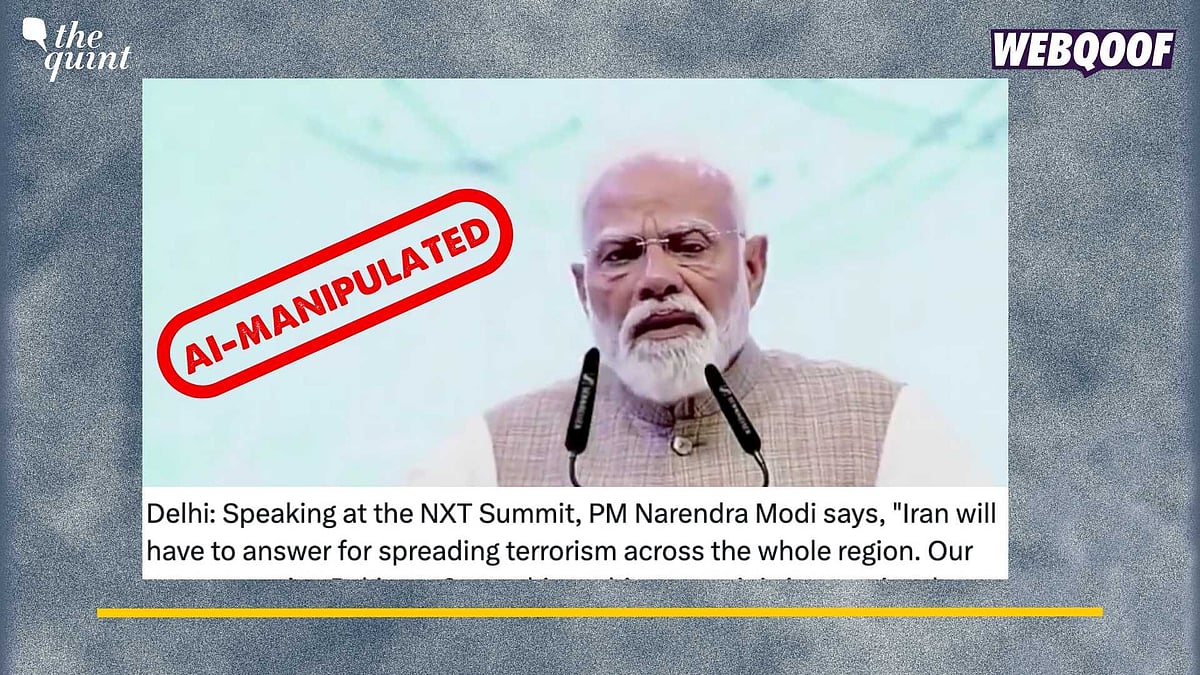
In a recent development, social media platforms have been circulating a video purportedly showing Prime Minister Narendra Modi referring to Iran as a “terrorist state.” However, a thorough investigation by fact-checkers has confirmed that the video is fabricated using artificial intelligence technology.
The Press Information Bureau’s (PIB) dedicated fact-checking unit conducted a comprehensive analysis of the viral clip and officially declared it to be manipulated. Their investigation revealed sophisticated AI techniques had been employed to create the fake video, which had been gaining traction across various social media platforms.
Digital forensics experts broke down the viral clip into multiple screenshots for detailed analysis. When these images were subjected to Google reverse image search and other verification tools, inconsistencies emerged that confirmed the video’s inauthenticity. These telltale signs included unnatural facial movements, audio-visual synchronization issues, and other digital artifacts commonly associated with deepfake technology.
The emergence of this fabricated content comes at a particularly sensitive time in India-Iran relations. The diplomatic relationship between the two nations has experienced both cooperation and tension in recent years, with energy security, regional stability, and trade forming key pillars of their engagement. Any statement characterizing Iran in such extreme terms would represent a significant diplomatic incident with far-reaching geopolitical implications.
This incident highlights the growing challenge of AI-generated misinformation in the political sphere. Deepfake technology has advanced rapidly, making it increasingly difficult for average viewers to distinguish between authentic and manipulated content, especially when such content features recognizable public figures making seemingly plausible statements.
Media literacy experts warn that such AI-manipulated content poses serious threats to democratic processes and international relations. “The sophistication of these deepfakes continues to advance, making them more convincing and potentially more damaging,” noted one digital security analyst who has been tracking the rise of AI-generated political content.
Government officials have expressed concern about the potential for such fabricated videos to create diplomatic tensions or incite public unrest. The Ministry of External Affairs has remained vigilant against misinformation that could affect India’s foreign relations, particularly with strategically important countries like Iran, with whom India maintains significant economic and energy ties.
The PIB’s fact-check unit has urged citizens to verify information from official sources before sharing content on social media platforms. They have also recommended looking for visual inconsistencies, unnatural speech patterns, and checking official government channels for confirmation of any purported statements from high-ranking officials.
Social media companies have faced increasing pressure to implement more robust detection systems for deepfake content. While platforms like Facebook, Twitter, and YouTube have invested in AI detection tools, the rapid evolution of deepfake technology has created a technological arms race between creators and detectors.
This incident is not isolated, as similar AI-generated videos featuring world leaders have appeared with increasing frequency across the globe. Cybersecurity experts predict that as AI technology becomes more accessible, the prevalence of such convincing fakes will only increase, necessitating greater vigilance from both institutions and individuals.
The debunking of this particular video serves as a reminder of the critical importance of fact-checking in the digital age, where misinformation can spread rapidly and potentially damage international relationships that have been carefully cultivated over decades.
As the investigation concluded, authorities confirmed that Prime Minister Modi made no such statement about Iran, and the circulating video should be disregarded as a malicious attempt to spread misinformation and potentially disrupt diplomatic relations between the two countries.
Fact Checker
Verify the accuracy of this article using The Disinformation Commission analysis and real-time sources.

7 Comments
Fascinating that this video was exposed as an AI-generated deepfake. It’s concerning how sophisticated these technologies have become, blurring the line between real and fabricated content. I’m glad the fact-checkers were able to thoroughly debunk it.
This is a good example of the importance of verifying information, especially when it comes to sensitive political issues. It’s alarming how easily misinformation can spread online, underscoring the need for rigorous fact-checking and media literacy.
Absolutely. We have to be vigilant about not falling for manipulated content, no matter how convincing it may seem. Kudos to the fact-checkers for their diligent work in exposing this deepfake.
This case highlights the challenges we face in an era of ubiquitous digital manipulation. It’s crucial that we remain critical consumers of online content and rely on reputable sources to verify information, especially on important political matters.
It’s concerning to see the advancement of deepfake technology being used to spread misinformation, especially around diplomatic relations. I’m glad the authorities were able to quickly identify and debunk this fabricated video.
The ability to create such convincing deepfakes is truly alarming. I’m relieved the fact-checkers were able to expose this as an AI-generated hoax before it could cause further damage. Vigilance is key in the fight against misinformation.
Agreed. The rapid evolution of deepfake technology is a major concern, and we must continue to invest in robust verification methods to stay ahead of these sophisticated manipulation tactics.