


Listen to the article
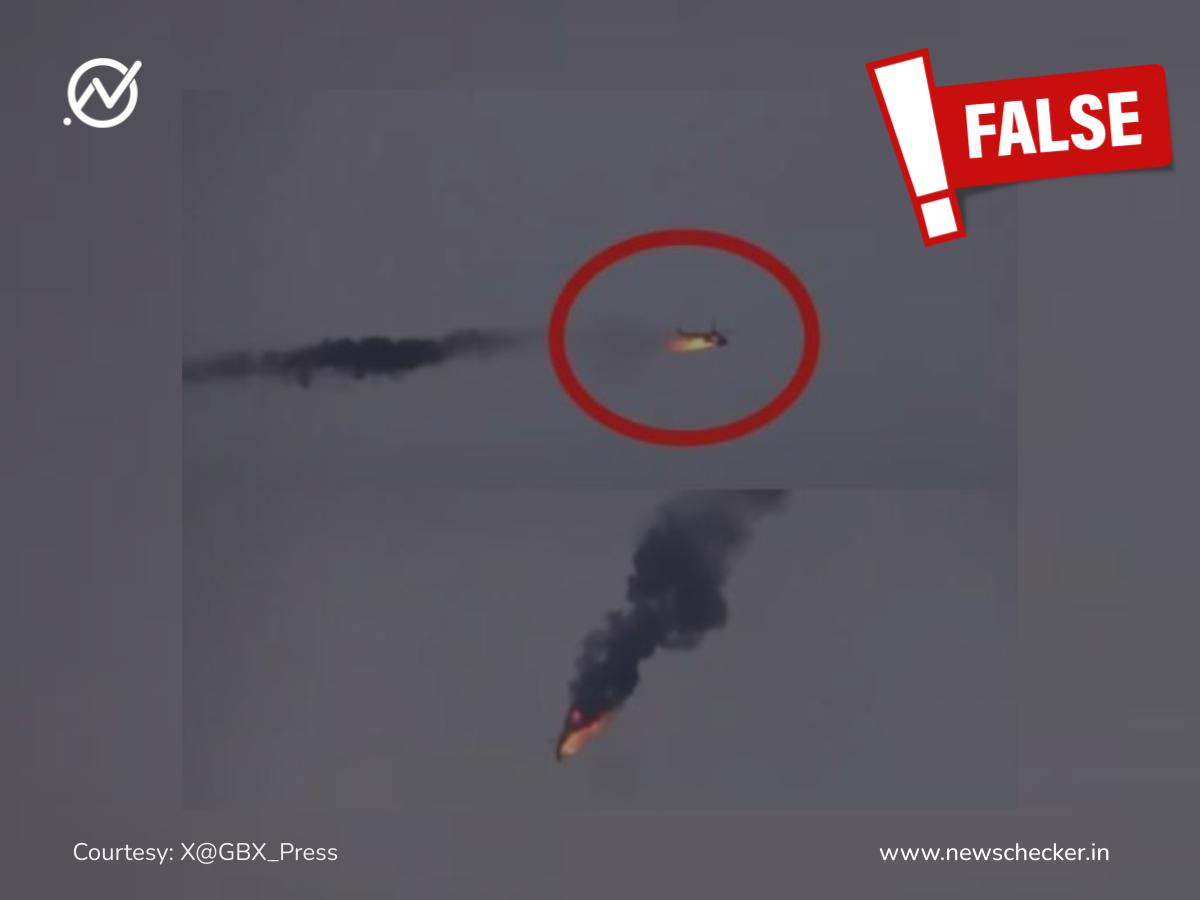
In a concerning development related to the ongoing tensions between the United States and Iran, social media platforms have become flooded with unverified videos purportedly showing military confrontations. One such video has gained significant traction, claiming to show a US Black Hawk helicopter being struck by an Iranian missile during the current conflict.
The footage, shared widely across platforms including X (formerly Twitter), appears dramatic and convincing at first glance. The video shows what looks like a helicopter being hit by a missile and subsequently crashing in flames. User @GBX_Press was among those who shared the footage, presenting it as evidence of direct military engagement between US and Iranian forces.
However, a comprehensive investigation into the origins of this video reveals a different story entirely. Digital forensics and reverse image search techniques applied to keyframes extracted from the viral clip failed to connect the footage to any recent incidents involving US military aircraft or Iranian missile systems.
Instead, the investigation traced the video back to February 2020, more than six years ago. The identical footage appears in a longer video uploaded to YouTube on February 12, 2020, with a caption indicating it shows helicopters being shot down near Idlib, Syria – not a US-Iran confrontation.
Further corroboration comes from established international media sources. The Telegraph, a respected British newspaper, published a report on February 11, 2020, featuring the same visuals. According to their reporting, the footage depicts a Syrian Air Force helicopter being downed by rebel forces in Idlib using ground-to-air missiles – a completely different scenario from what is being claimed in recent social media posts.
This incident highlights a troubling pattern of misinformation that often emerges during times of heightened international tensions. Old footage from unrelated conflicts is frequently repurposed and presented as current events, particularly when public interest in developing geopolitical situations is high.
The misrepresentation is especially problematic in the context of US-Iran relations, which have experienced periods of significant strain in recent years. False claims of direct military engagement could potentially inflame tensions further or create public misperceptions about the actual state of the conflict.
Military analysts note that verification of combat footage has become increasingly challenging in the digital age. The rapid spread of videos across social platforms often outpaces fact-checking efforts, allowing misleading content to reach millions before corrections can be widely disseminated.
“The circulation of this type of misinformation can have real-world consequences,” explains Dr. Elena Martinelli, a disinformation researcher at Columbia University. “It can influence public opinion, potentially increase calls for escalation, and complicate diplomatic efforts to resolve tensions.”
This is not an isolated incident. Similar patterns of misinformation have been observed in other contexts, including recent elections in Kerala, India, where AI-generated images of Prime Minister Narendra Modi were circulated, and in West Bengal, where videos from Bangladesh were falsely presented as showing an army crackdown ahead of polls.
Media literacy experts advise viewers to approach dramatic footage with skepticism, particularly when it purports to show significant military developments that have not been confirmed by major news outlets or official government sources.
In conclusion, the viral video claiming to show a US Black Hawk helicopter being struck by an Iranian missile is demonstrably false. The footage dates back to at least February 2020 and depicts a completely different incident involving a Syrian Air Force helicopter in Idlib, Syria. As international tensions continue to evolve, the importance of verifying information before sharing it remains paramount.
Fact Checker
Verify the accuracy of this article using The Disinformation Commission analysis and real-time sources.

22 Comments
It’s disappointing to see old footage being misrepresented in this way. Spreading false information, even inadvertently, can escalate tensions and undermine public understanding. I hope more people will take the time to verify claims before sharing them widely.
I agree. In today’s digital age, we all have a responsibility to be critical consumers of information and to avoid contributing to the spread of misinformation.
This is a concerning case of misinformation, but it’s good to see the Disinformation Commission investigating and exposing the truth. We need to be extremely cautious about the videos and claims we encounter online, especially related to sensitive military and geopolitical issues.
I’m curious to know more about the specific techniques used to trace the origins of this video. Digital forensics must be a fascinating field, especially when it comes to identifying manipulated or misleading content.
Yes, the ability to analyze video and imagery to uncover the truth is really impressive. It’s an important tool for combating the growing problem of misinformation online.
This is a good example of the need to carefully verify the origin and context of videos before sharing them, especially on sensitive geopolitical issues. Digital forensics can be a powerful tool to uncover the truth behind misleading claims.
It’s troubling to see how quickly unsubstantiated footage can gain traction on social media these days. I’m glad the authorities were able to trace this video back to an earlier, unrelated incident. We should all be more vigilant about scrutinizing the information we consume and share.
I appreciate the efforts of the authorities to thoroughly investigate this case and set the record straight. Maintaining transparency and public trust is crucial, especially when it comes to sensitive geopolitical issues. Fact-based reporting is vital.
Yes, well-researched, impartial reporting is so important in these situations. It helps counter the spread of misinformation and ensures the public has access to accurate, reliable information.
The ability to manipulate and repurpose old footage is a real challenge in the digital age. This incident highlights the importance of fact-checking and relying on authoritative sources, rather than blindly trusting viral social media posts. Maintaining a critical eye is crucial.
Absolutely, fact-checking is so important, especially when it comes to sensitive military and geopolitical issues. It’s easy for misinformation to spread rapidly online, so we all need to be more discerning consumers of content.
It’s really worrying to see how quickly unverified footage can spread and gain traction these days. This incident highlights the need for robust fact-checking and a healthy dose of skepticism when it comes to viral social media content. Maintaining a critical eye is crucial.
I’m glad the authorities were able to trace this misleading video back to an older, unrelated incident. In times of heightened tensions, it’s crucial that we rely on authoritative and reputable sources, not unsubstantiated claims spreading on social media. Fact-checking is essential.
It’s concerning to see unverified footage spreading like this, especially during heightened tensions. We should be cautious about jumping to conclusions without proper fact-checking and investigation. Misinformation can be dangerous, so it’s important to rely on authoritative and reputable sources.
I’m glad the authorities were able to debunk this misleading video. In times of heightened tensions, it’s vital that we rely on verified information from reputable sources, not unsubstantiated claims spreading on social media. Fact-checking is essential to avoid fueling further conflict.
Wow, this is a concerning situation. I’m glad the authorities were able to verify that the video was old and unrelated to the current US-Iran tensions. It’s important to be cautious about unverified claims, especially on social media.
Absolutely. Fact-checking and digital forensics are crucial to identify misinformation and maintain trust in the information we consume.
It’s troubling to see how easily old footage can be repurposed and presented as new, especially on social media. This incident highlights the importance of rigorous fact-checking and relying on authoritative sources, rather than blindly trusting viral posts. We all need to be more discerning consumers of online content.
This is a good reminder that we should always approach viral videos and social media claims with a critical eye. It’s all too easy for misinformation to spread rapidly, especially during times of heightened tensions. Fact-checking is essential.
Absolutely. Verifying the source and context of information is key, rather than just accepting it at face value. It’s the only way to ensure we’re not being manipulated or misled.
This is a good reminder of the importance of verifying information, especially when it comes to sensitive military and geopolitical topics. The ability to manipulate and repurpose old footage is a real challenge, and we all need to be more discerning consumers of online content.
This is a concerning example of how misinformation can spread quickly online, especially on sensitive topics like military conflicts. It’s a good reminder to always verify the source and context of videos and claims before sharing or believing them. Maintaining a critical eye is key.