


Listen to the article
Misinformation Thrives Amid Assembly Elections and International Tensions
Misleading content continues to proliferate across social media platforms as West Bengal prepares for its assembly elections and international conflicts capture public attention. Fact-checking organizations have been working overtime to debunk false narratives that could potentially influence public opinion during this sensitive period.
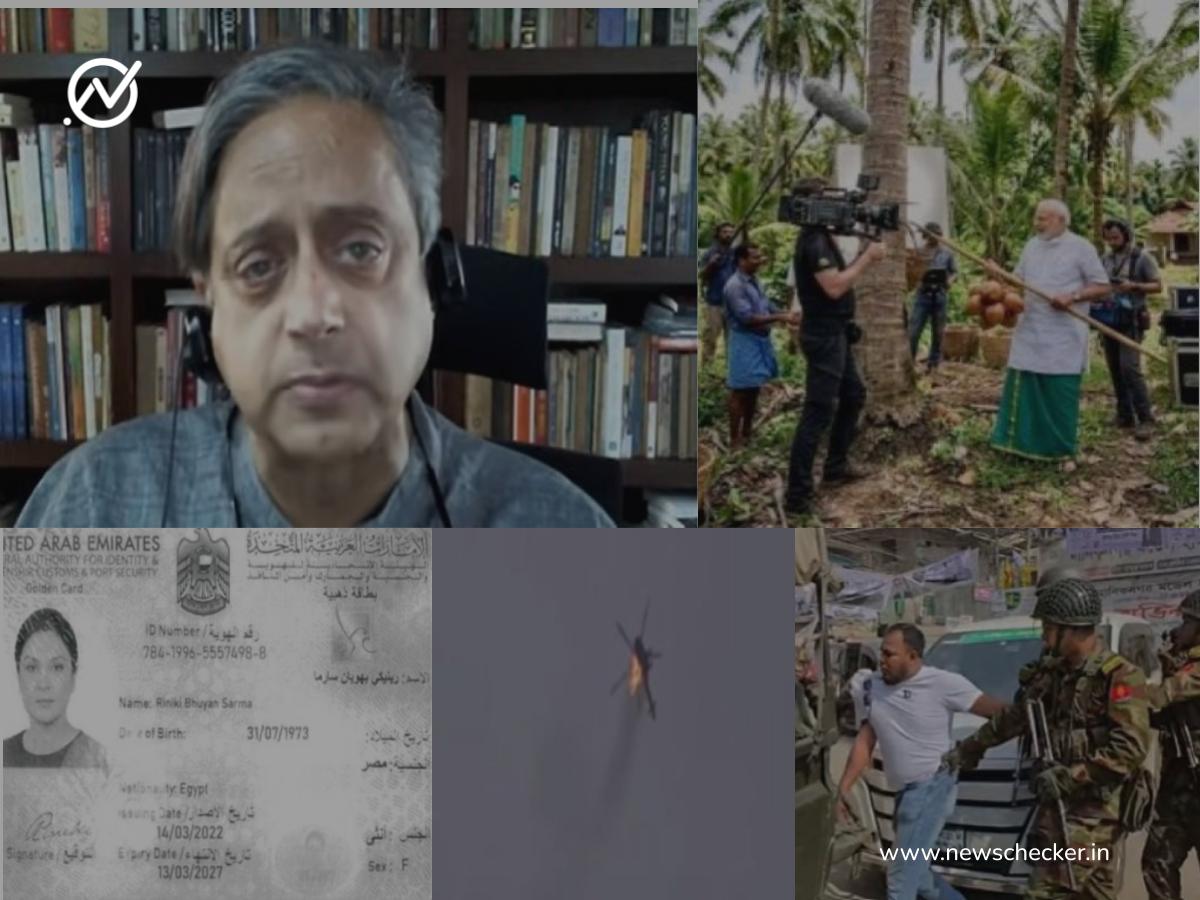
In West Bengal, where political tensions are running high ahead of the upcoming polls, videos allegedly showing Indian Army crackdowns in the state have been circulating widely. Upon investigation, these videos were revealed to be footage from Bangladesh, falsely contextualized to suggest military intervention in the Indian state. Such misinformation could potentially inflame local tensions or create mistrust in electoral processes at a time when peaceful democratic participation is crucial.
The spread of false information has also targeted prominent political figures. A doctored video of Congress MP Shashi Tharoor has been making rounds online, manipulated to show him criticizing the Indian government’s foreign policy. In the altered clip, Tharoor appears to call Pakistan’s involvement in mediating a ceasefire between the US and Iran a “massive strategic failure” for India. Fact-checkers have confirmed this video was digitally manipulated to create a false narrative around India’s diplomatic standing.
Political misinformation has extended to family members of elected officials as well. Congress leader Pawan Khera recently alleged that Riniki Bhuyan Sarma, wife of Assam Chief Minister Himanta Biswa Sarma, possesses multiple passports, including one from the UAE. The evidence presented, however, was found to be an edited image of an Emirates ID, raising questions about the verification processes behind such serious allegations.
The rise of artificial intelligence has added another layer of complexity to the misinformation landscape. A convincing but entirely fabricated photograph purportedly showing Prime Minister Narendra Modi during a photoshoot from his recent Kerala campaign visit was identified as AI-generated. As AI tools become more sophisticated and accessible, distinguishing between authentic and synthetic media becomes increasingly challenging for the average social media user.
International conflicts have not been immune to misinformation either. As tensions between the United States and Iran escalated, a video claimed to show a US Black Hawk helicopter being struck by an Iranian missile. Fact-checkers determined that the footage was old and completely unrelated to recent events in West Asia, demonstrating how historical content is often recycled to fit current narratives.
Media literacy experts warn that election periods and international crises create perfect conditions for misinformation to thrive. The emotional nature of these events makes people more susceptible to believing and sharing unverified information that aligns with their existing beliefs.
“During elections, we see a significant uptick in manipulated content designed to influence voters or undermine trust in democratic processes,” explains Dr. Sanjay Mehta, a digital media researcher at Delhi University. “The combination of high stakes, emotional engagement, and the speed at which content spreads online creates a perfect storm for misinformation.”
Fact-checking organizations are increasingly collaborating with social media platforms to flag and reduce the spread of false information. However, the volume of content being shared daily makes comprehensive verification challenging.
As West Bengal’s election approaches and international tensions continue to evolve, authorities are urging citizens to verify information through multiple reliable sources before sharing content online. Digital literacy campaigns are also being promoted to help the public develop better skills for identifying manipulated media and false narratives in an increasingly complex information ecosystem.
Fact Checker
Verify the accuracy of this article using The Disinformation Commission analysis and real-time sources.

16 Comments
The proliferation of false narratives around the West Bengal elections is deeply troubling. Maintaining public trust in the democratic process should be the top priority during sensitive political periods like this.
I agree, the stakes are high when it comes to electoral integrity. Fact-checkers and media outlets must remain vigilant in debunking misinformation and upholding transparency around the democratic process.
Manipulated videos targeting political figures are a serious concern. Responsible journalism and diligent fact-checking are crucial to upholding democratic principles and preventing the spread of misinformation.
The West Bengal election situation highlights the urgent need to combat the spread of misinformation, especially when it comes to sensitive political issues. I hope the authorities can stay on top of these false narratives and protect the integrity of the democratic process.
Doctored videos and misleading content targeting political figures are a serious threat to democratic discourse. Responsible journalism and fact-checking are essential to upholding transparency and preventing the erosion of public trust.
You’re right, the stakes are high when it comes to protecting the integrity of the electoral process. Diligent efforts to debunk misinformation and maintain public trust in democratic institutions are crucial.
Misinformation can be so damaging, especially during elections when it has the potential to sway public opinion. I’m glad to see fact-checkers working hard to identify and debunk false narratives in order to uphold the integrity of the democratic process.
Absolutely. Maintaining trust in electoral processes is crucial for a healthy democracy. Diligent fact-checking and transparent reporting are the best defenses against the spread of misinformation.
Doctored videos and false narratives targeting political figures like Shashi Tharoor are highly concerning. Responsible journalism and fact-checking are essential to protecting democratic discourse and preventing the erosion of public trust.
Troubling to see misinformation proliferating during such a sensitive electoral period. Fact-checking is crucial to maintaining trust in democratic processes. I hope the authorities can quickly address these false narratives.
You’re right, the spread of doctored videos and misleading content could really inflame local tensions if left unchecked. Diligent fact-checking is the best way to counter these efforts to sow discord.
The challenges posed by the spread of misinformation during sensitive political periods are significant. I hope the authorities and fact-checking organizations can stay on top of these false narratives and ensure the West Bengal elections are conducted with integrity.
The doctored video of Shashi Tharoor is concerning. As a prominent political figure, he deserves fair and accurate reporting, not malicious attempts to discredit him. Responsible journalism is key to upholding democratic principles.
I agree, manipulated media content targeting public officials is extremely problematic. It’s crucial that news outlets and fact-checkers remain vigilant in debunking these kinds of misinformation campaigns.
Fact-checking is so important during elections, when misinformation can so easily influence public opinion. I’m glad to see organizations working hard to debunk false narratives and maintain trust in the democratic process.
Absolutely. Transparency and accountability around electoral processes are essential. Diligent fact-checking can go a long way in dispelling misinformation and upholding the integrity of democratic institutions.