


Listen to the article
Fact-Check Roundup: Deepfakes and Misidentifications Dominate Week’s Viral Misinformation
In a week dominated by deepfakes and viral misinformation, fact-checkers have been working overtime to combat false claims spreading across social media platforms. The scope of these fabrications ranges from misidentified political figures to manufactured connections with convicted sex trafficker Jeffrey Epstein.
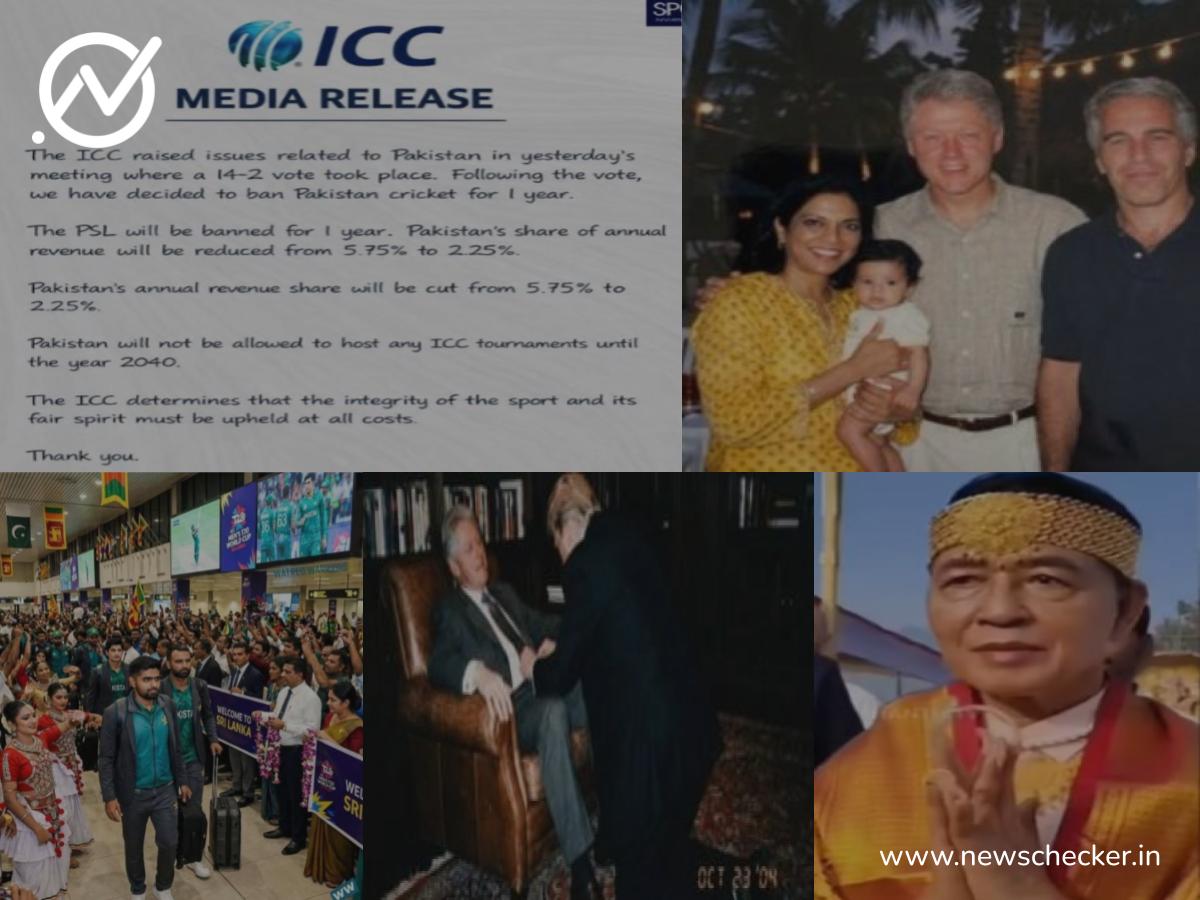
Several Indian media outlets erroneously reported that former Indonesian President Joko Widodo visited the Tirumala Temple in Tirupati. The confusion stemmed from widely circulated footage showing temple authorities providing special security to a visitor. After thorough verification, fact-checkers determined the individual was not Widodo, highlighting the dangers of hasty reporting without proper verification in today’s fast-paced news environment.
The release of previously sealed court documents related to Jeffrey Epstein has triggered a wave of AI-generated deepfakes attempting to falsely implicate various public figures. Among these fabrications were images purportedly showing filmmaker Mira Nair and her son, New York City assembly member Zohran Mamdani, alongside Epstein. Digital forensics experts quickly identified these as sophisticated AI creations designed to mislead the public.
Former U.S. presidents were not spared from this trend of manufactured evidence. Manipulated images showing Donald Trump and Bill Clinton in compromising situations have been widely shared with claims they were part of the recently unsealed Epstein files. Fact-checkers confirmed these images were artificially generated and have no connection to the actual court documents, demonstrating how high-profile legal cases can become breeding grounds for misinformation.
The sports world has also been targeted by fabricators. A falsified notice claiming the International Cricket Council (ICC) had banned the Pakistan Cricket Board for a year gained significant traction across social media platforms. The document, designed to mimic official ICC communications, was determined to be entirely fraudulent after verification with cricket authorities.
In a similar vein, cricket fans were misled by an AI-generated image supposedly depicting a grand welcome for the Pakistan cricket team upon their arrival in Sri Lanka for the ICC Men’s T20 World Cup. Digital analysis revealed telltale signs of artificial manipulation, including inconsistent lighting and physically impossible elements within the scene.
These incidents highlight the growing sophistication of AI-generated content and the challenges it presents to media literacy. The technology has advanced to a point where visual fabrications can appear convincingly authentic to casual observers, particularly when viewed on small mobile screens where subtle inconsistencies are less apparent.
Media experts warn that the combination of easily accessible AI image generation tools and the rapid spread of content through social media creates perfect conditions for misinformation campaigns. This technological evolution comes at a particularly sensitive time, with major elections scheduled in numerous countries throughout 2026.
The proliferation of these sophisticated fakes underscores the increasing importance of digital literacy and critical consumption of media. Fact-checking organizations recommend verifying information through multiple reliable sources before sharing content, especially during periods of heightened political or social significance.
As AI technology continues to evolve, the line between authentic and fabricated content grows increasingly blurred, creating new challenges for journalists, fact-checkers, and the public in navigating an increasingly complex information landscape.
Fact Checker
Verify the accuracy of this article using The Disinformation Commission analysis and real-time sources.

12 Comments
The Epstein case has been a magnet for conspiracy theories and fabricated claims. It’s important to rely on authoritative sources and to be cautious about unverified information, especially when it involves high-profile individuals.
Absolutely. Given the sensitive nature of the Epstein case, it’s crucial that we approach any new information with a critical eye and ensure it comes from reliable, fact-based sources.
This highlights the challenges the media faces in the digital age. Rushed reporting without proper verification can lead to the amplification of false claims. Fact-checking is essential for maintaining credibility.
You’re right. The speed of information flow online puts a lot of pressure on journalists to be first, but they need to balance that with thorough verification to avoid spreading misinformation.
The Epstein case has been a breeding ground for all kinds of conspiracy theories and fabricated claims. It’s important to rely on authoritative and well-researched sources when it comes to sensitive topics like this.
Agreed. The Epstein case is complex, and it’s crucial to be discerning about the information we consume and share, especially when it involves high-profile individuals.
Deepfakes are a real threat to the integrity of information. As AI technology advances, we’ll likely see more of these fabrications aimed at misleading the public. Fact-checking and media literacy are key to combating this.
Absolutely. Deepfakes have the potential to erode public trust in media and institutions. Developing better detection methods and educating the public on spotting manipulated content is crucial.
Interesting to see how misinformation can spread so quickly online, especially with deepfakes. We really need to be vigilant about verifying information these days before sharing it.
Absolutely. With the rise of AI-generated content, it’s becoming harder to distinguish fact from fiction. Fact-checking is crucial to combat the spread of misinformation.
This is a concerning trend, but not surprising given the prevalence of misinformation online. It’s a reminder that we all need to be critical consumers of information and verify claims before sharing them.
Well said. In the age of social media, it’s easy for false information to spread rapidly. We must all do our part to fact-check and stop the spread of misinformation.