


Listen to the article
Fake Mick Jagger Lawsuit Against Defense Secretary Spreads Online
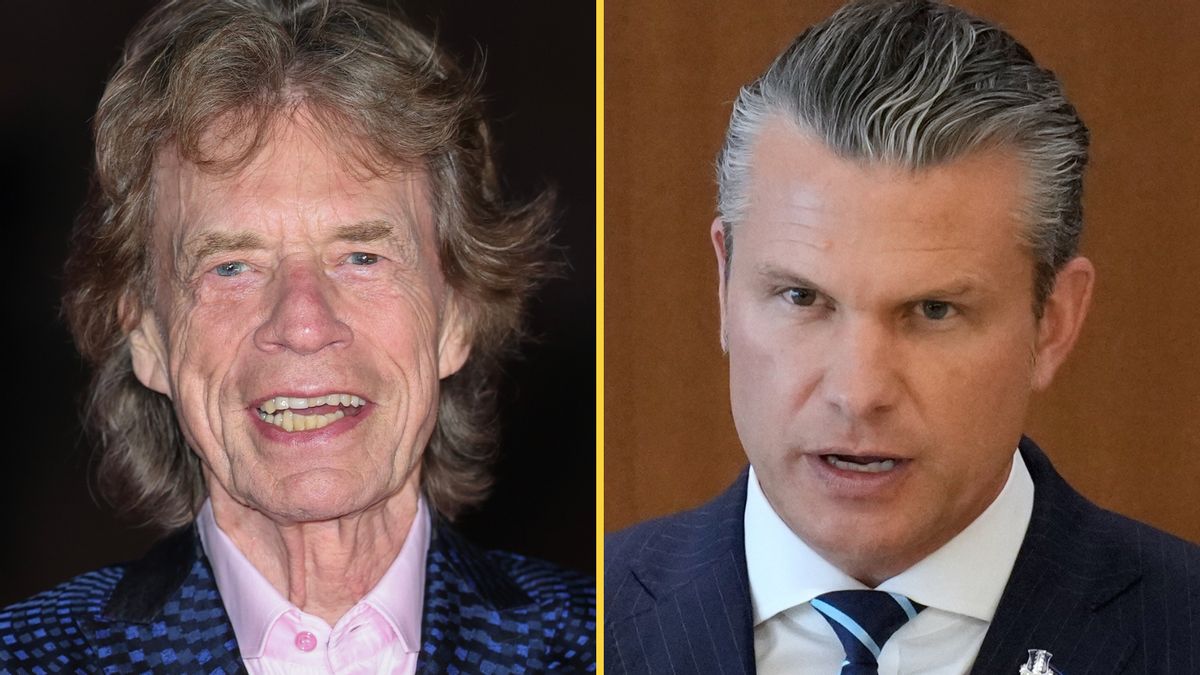
A fabricated story claiming Rolling Stones frontman Mick Jagger filed a $60 million lawsuit against U.S. Defense Secretary Pete Hegseth has been circulating widely on social media platforms, particularly Facebook, in recent days.
According to the false narrative, Jagger allegedly sued Hegseth following what was described as an “explosive live TV clash that left viewers stunned” during a discussion about wildlife conservation. The fictional account claimed Hegseth went “off-script” and mocked Jagger as “an out-of-touch rock relic playing eco-hero for the cameras,” prompting legal action from the musician.
No such confrontation or lawsuit ever occurred. Comprehensive searches across multiple search engines, including Bing, DuckDuckGo, and Yahoo, revealed no legitimate news coverage of this alleged incident. Had such a high-profile dispute between a global music icon and a senior government official actually happened, it would have garnered significant media attention from established news organizations.
The fabricated story appears to be part of a widespread pattern of celebrity-focused misinformation designed to generate advertising revenue. The Facebook posts promoting this narrative typically redirect users to advertisement-heavy websites that contain longer versions of the fictional account.
One such website featured an expanded article describing an alleged television interview where Jagger was discussing conservation efforts when Hegseth supposedly accused him of being a “scripted eco-celebrity living off his past name.” The article went on to claim Jagger responded with composure, generating viral clips that “amassed tens of millions of views across X and TikTok.”
Analysis of the text using AI detection software indicated the story was likely generated using artificial intelligence. The writing displayed telltale signs of AI-generated content, including a particular tone and structure, emotionally charged language, and a complete absence of verifiable sources.
This Jagger-Hegseth fabrication is not an isolated incident. It follows a similar pattern to other recently debunked claims, including a false story that wildlife conservationist Robert Irwin had sued Hegseth for $60 million. Another recent fabrication claimed Jagger held a moment of silence for conservative activist Charlie Kirk during a September concert—an event that never took place.
These types of fabricated celebrity stories have become increasingly common on social media platforms. They typically follow a formula: a sensational headline involving well-known figures, an emotionally charged narrative that appeals to readers’ interest in conflict and drama, and links that drive traffic to websites filled with advertisements.
Media literacy experts warn that such content represents a growing challenge in the digital information ecosystem. The stories are designed to appear plausible enough to generate engagement while being outlandish enough to prompt clicks and shares. The financial motivation is clear—driving traffic to ad-supported websites can be lucrative, especially when content goes viral.
Social media users are advised to verify celebrity news through established media outlets before sharing such content. Red flags include stories that appear only on unfamiliar websites, narratives that lack specific details about when and where events occurred, and posts that use emotional language rather than straightforward reporting.
As digital misinformation continues to evolve, this case represents part of a broader trend that exploits public interest in celebrities to generate profit, regardless of factual accuracy.
Fact Checker
Verify the accuracy of this article using The Disinformation Commission analysis and real-time sources.

10 Comments
I’m not surprised to hear this is fake news. Spreading misinformation about celebrities and public figures is a common tactic to generate clicks and shares online.
Appreciate the effort to debunk this false Mick Jagger story. It’s crucial that we all remain vigilant and fact-check sensational claims before sharing them.
Good catch on this bogus story. It’s concerning how quickly disinformation can spread, even about high-profile individuals like Mick Jagger. Fact-checking is crucial.
Glad to see this fact check exposing the false narrative around a supposed Mick Jagger lawsuit. It’s important to call out these kinds of made-up stories.
Interesting story, but it seems this is just another case of fabricated celebrity news. There’s no evidence this confrontation or lawsuit ever happened.
Looks like another case of social media users falling for a fabricated celebrity news story. Fact-checking is essential to avoid spreading misinformation.
Definitely a case of misinformation gone viral. Good to see this fact check clearing things up and highlighting the lack of evidence for the alleged incident.
Not surprised to see this is just another piece of fabricated celebrity gossip. These kinds of made-up stories tend to spread quickly on social media.
Appreciate the thorough debunking of this false Mick Jagger story. It’s important to keep an eye out for these types of hoaxes and set the record straight.
This is a good reminder to always be skeptical of sensational celebrity news, especially if it doesn’t seem to be reported by credible mainstream outlets.