


Listen to the article
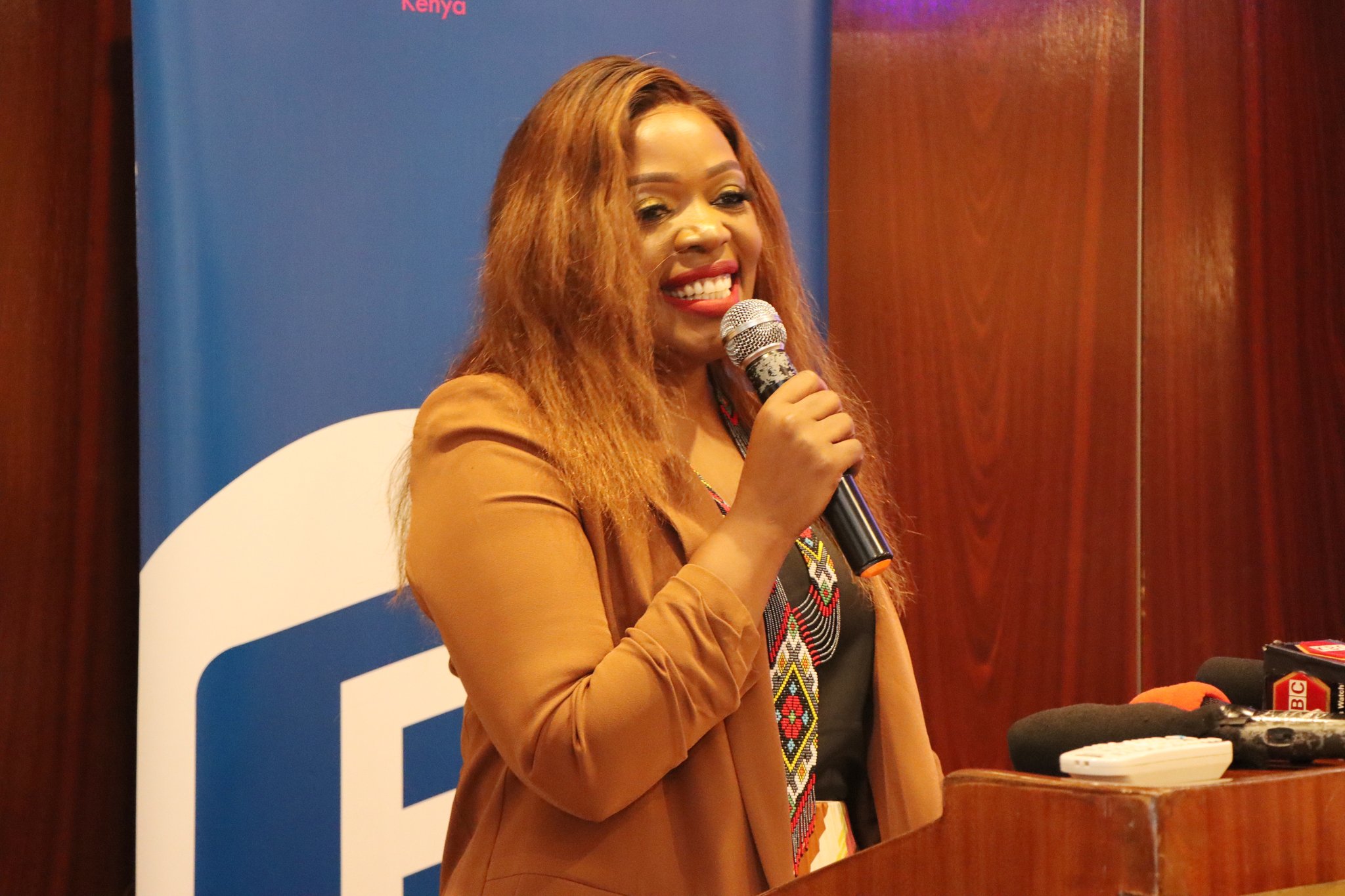
In a significant move toward electoral transparency, Kenya Editors’ Guild president Zubeidah Kananu has called on journalists to embrace artificial intelligence tools for election tallying during the upcoming 2027 general elections, positioning technology as both a challenge and opportunity for accurate reporting.
The appeal came during the signing ceremony of a memorandum of understanding between the Independent Electoral and Boundaries Commission (IEBC) and the Kenya Media Sector Working Group. Kananu emphasized that strategic AI deployment could serve as a powerful defense against misinformation that has plagued previous electoral cycles.
“We are already seeing how AI can be used to forge the voices of candidates or create fake videos of ‘chaos’ at polling stations to suppress turnout,” Kananu noted. “But AI is also our ally. We will use it for real-time fact-checking at scale. Under this MoU, we aren’t just reporting news; we are verifying reality against an onslaught of algorithmic lies.”
The initiative arrives as Kenya’s media landscape grapples with the challenge of digital misinformation. During the contentious 2022 elections, discrepancies in results reporting across media outlets fueled public anxiety and raised questions about the media’s role in election transparency.
Kananu highlighted the evolving media environment that will shape election coverage in 2027. “The landscape is a digital jungle. It is not just TV, radio and print; it is TikTok, X and the rise of alternative media,” she said, underscoring the need for media strategies that address both traditional and emerging platforms.
To address these challenges, the IEBC and media stakeholders will review the Elections Reporting Handbook to incorporate guidelines for digital media alongside traditional outlets. This revision acknowledges the growing influence of social media platforms in shaping public opinion during electoral processes.
A central component of the framework will focus on journalist access. Kananu stressed that accredited journalists must have unrestricted access to polling and tallying centers to provide firsthand reporting. “We must reaffirm that an accreditation pass is an essential service permit,” she stated, emphasizing the critical role media plays in electoral transparency.
The 2022 general election exposed significant vulnerabilities in Kenya’s media ecosystem when different outlets published varying election results, creating confusion among voters. Kananu addressed this directly: “We respect that every newsroom has different capabilities and full editorial independence. However, independence should not mean information chaos.”
To prevent similar incidents in 2027, Kananu revealed plans to explore a joint media tallying framework that would allow news organizations to share resources while maintaining editorial independence. “By sharing the massive logistical task of processing Form 34As, we can ensure synchronised accuracy while each house maintains its unique voice and analysis,” she explained.
This collaborative approach represents a significant shift in how Kenyan media handles election data. Form 34As, the primary results documents from polling stations, have been particularly challenging for individual news organizations to compile and verify independently due to their volume and distribution across the country.
With Kenya’s next general election still three years away, Kananu urged media houses to begin comprehensive coverage now, focusing particularly on voter interests. “Since we know there will be no boundary delimitation before the 2027 polls, our newsrooms must focus singularly on the voter, providing consistent, investigative coverage of the entire cycle, from technology testing to procurement,” she said.
The partnership between the IEBC and media groups represents a proactive approach to addressing election reporting challenges well in advance of the polls, potentially setting a new standard for media collaboration in Kenya’s electoral processes.
Fact Checker
Verify the accuracy of this article using The Disinformation Commission analysis and real-time sources.

11 Comments
I’m curious to see how the media and election authorities in Kenya will implement this AI-driven approach to election verification. It’s a complex challenge, but could be a game-changer if done right.
Leveraging AI to verify election results is an intriguing idea. It could help combat misinformation, but we’d need robust safeguards to ensure the technology isn’t misused. Cautious optimism is warranted.
The proposal to leverage AI for election verification is thought-provoking, but the media must tread carefully. Safeguarding against algorithmic bias and maintaining public trust will be paramount.
Utilizing AI for election verification is a bold and innovative step, but the media must ensure the technology is transparent, accountable, and free from bias. Rigorous testing and oversight will be essential.
The use of AI for election verification is a double-edged sword. While it could combat misinformation, the potential for algorithmic bias and abuse is real. Rigorous safeguards and public oversight will be critical.
I’m intrigued by the idea of using AI for real-time fact-checking during elections. It could be a powerful tool, but the media will need to be extremely diligent in vetting the systems and processes involved.
The use of AI for real-time fact-checking during elections is an innovative idea, but it raises concerns about algorithmic bias and the potential for misuse. Thorough testing and oversight will be essential.
Interesting that the media is looking to AI as a solution to election integrity challenges. While the potential is there, it will be critical to ensure the AI systems are transparent, unbiased, and accountable.
Agreed. The media must be vigilant in evaluating the reliability and security of any AI tools used for election verification.
Deploying AI to verify election results is an ambitious goal, but the media must ensure the technology is robust, transparent, and trustworthy. Proactive steps to address potential pitfalls will be crucial.
Embracing AI for election verification is a bold move, but the media must tread carefully. The technology holds promise, but they’ll need to address issues of transparency, accountability, and public trust.