


Listen to the article
India Denies Elon Musk’s Participation in Modi-Trump Phone Call
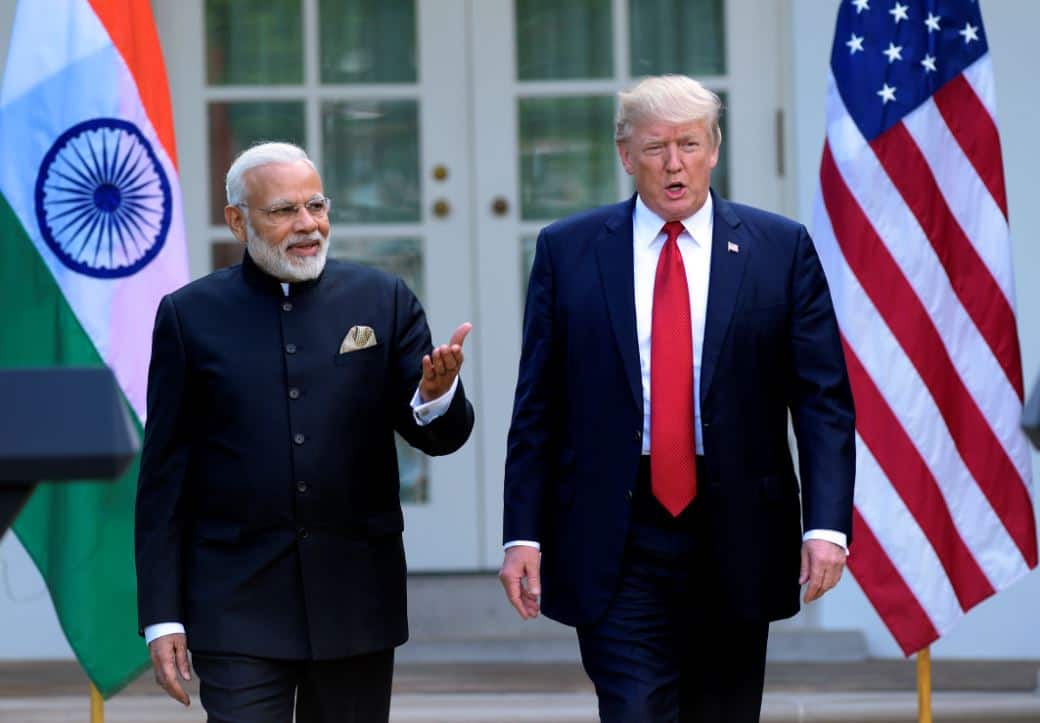
The Ministry of External Affairs (MEA) on Saturday firmly refuted reports that Tesla CEO Elon Musk was present during a recent telephone conversation between Prime Minister Narendra Modi and US President Donald Trump, emphasizing that the March 24 call was exclusively between the two heads of state.
“We have seen the story. The telephone conversation on 24 March was between Prime Minister Narendra Modi and President Donald Trump only,” an MEA spokesperson stated, addressing claims published by The New York Times.
The American newspaper had reported that Musk joined the call between the two leaders, which would have represented an unusual diplomatic arrangement involving a private citizen in high-level discussions between heads of government. The report raised questions about Musk’s potential role and influence in international relations, particularly given the ongoing tensions in West Asia.
The MEA spokesperson reiterated that the primary purpose of the call was diplomatic in nature. “As has been stated earlier, it provided the opportunity for exchange of views on the situation in West Asia,” the spokesperson clarified.
Following the conversation, Prime Minister Modi had shared details of the discussion on social media, highlighting concerns about maritime security in a critical global shipping lane. “Received a call from President Trump and had a useful exchange of views on the situation in West Asia. India supports de-escalation and restoration of peace at the earliest. Ensuring that the Strait of Hormuz remains open, secure and accessible is essential for the whole world,” Modi wrote.
The Strait of Hormuz, located between Iran and Oman, is a strategic maritime chokepoint through which approximately 20 percent of global oil shipments pass. Any disruption to this waterway could have significant implications for global energy markets and supply chains, making it a matter of international concern amid escalating regional tensions.
The call took place against the backdrop of intensifying conflict in the Middle East, particularly following US-Israeli strikes on Iran in late February. India, which maintains diplomatic and economic relationships with all major powers in the region, has consistently advocated for de-escalation and diplomatic solutions to the ongoing crisis.
For his part, President Trump expressed optimism about bilateral relations following the conversation. The US Embassy in India shared a message from Trump stating, “Our amazing relationship with India will be even stronger going forward. Prime Minister Modi and I are two people that get things done, something that cannot be said for most.”
The statement reflects the continued importance both nations place on their strategic partnership, which encompasses defense, trade, technology, and diplomatic coordination on global issues.
The denial regarding Musk’s participation comes at a time when the billionaire entrepreneur has increasingly ventured beyond his business interests into matters of geopolitics and international relations. As the owner of X (formerly Twitter) and one of the world’s wealthiest individuals, Musk has cultivated relationships with various world leaders and occasionally weighed in on global conflicts.
India and the United States have maintained close communication regarding developments in West Asia, with both nations having significant strategic and economic interests in regional stability. The US remains India’s largest trading partner, while India’s position as a major power in South Asia makes it an essential diplomatic interlocutor for American interests in the broader Indo-Pacific region.
The MEA’s swift clarification underscores India’s commitment to transparency in diplomatic communications and its careful management of relationships with major powers during a period of heightened global tension.
Fact Checker
Verify the accuracy of this article using The Disinformation Commission analysis and real-time sources.

12 Comments
The MEA’s swift response helps clarify the record. It’s good to see governments proactively addressing inaccurate reporting to ensure transparency around high-level discussions.
Absolutely. Prompt and direct communication from government officials is important to counter false narratives and maintain public trust.
This serves as an important reminder that we should be skeptical of unsubstantiated claims, even from reputable news sources. Fact-checking and official statements are crucial to getting the full picture.
Well said. Maintaining journalistic integrity and avoiding the spread of misinformation is critical, especially on sensitive political and diplomatic issues.
While the initial report about Musk’s involvement raised some eyebrows, I’m glad the facts have been set straight. Diplomatic communications should remain between the designated government representatives.
Agreed. Maintaining clear boundaries between private citizens and official state-to-state interactions is crucial for the integrity of the diplomatic process.
This is an interesting fact check. It’s good to see the MEA directly refuting the claim that Elon Musk was present on the Modi-Trump call. Transparency in diplomatic communications is important.
Agreed. It’s crucial that the details of high-level government calls are accurately reported.
I’m curious to know more about the context and purpose of the Modi-Trump call. The MEA spokesperson mentioned it was related to the situation in West Asia – I wonder what specific topics were discussed.
Yes, that’s a good point. More details on the substantive discussions between the two leaders would provide helpful context.
While it’s good the MEA denied Musk’s involvement, I’m a bit surprised the reports emerged in the first place. Seems like an unusual claim that should have been verified before publication.
Definitely. Media outlets need to exercise caution and fact-check claims, especially when they involve high-profile figures in diplomatic matters.