


Listen to the article
Kennedy’s False Claims About mRNA Vaccines Undermine Scientific Consensus
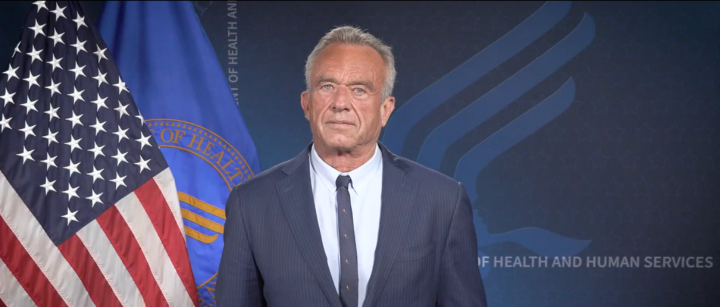
In a controversial move, Health and Human Services Secretary Robert F. Kennedy Jr. announced the termination of $500 million in federal funding for mRNA vaccine development projects, falsely claiming that these vaccines “fail to protect effectively” against COVID-19 and suggesting they are unsafe. The decision has sparked significant backlash from leading infectious disease experts who point to overwhelming scientific evidence contradicting Kennedy’s assertions.
The canceled projects were funded by HHS’ Biomedical Advanced Research and Development Authority (BARDA), which is responsible for preparing the United States for public health emergencies such as pandemics. HHS also stated it would not fund any new vaccine projects using mRNA technology.
“We reviewed the science, listened to the experts, and acted,” Kennedy stated in an August 5 press release. “BARDA is terminating 22 mRNA vaccine development investments because the data show these vaccines fail to protect effectively against upper respiratory infections like COVID and flu.”
However, Kennedy’s claims run counter to extensive peer-reviewed scientific literature and expert consensus. Michael Osterholm, director of the Center for Infectious Disease Research and Policy at the University of Minnesota, called the assertion “simply not true,” adding, “We have ample data showing major reductions in serious illness, hospitalizations and deaths even after the virus variants have changed some.”
Dr. Peter Hotez, co-director of the Center for Vaccine Development at Texas Children’s Hospital, described the HHS announcement as “an exercise in disinformation,” emphasizing that mRNA COVID-19 vaccines “perform extremely well.”
The scientific evidence supporting mRNA vaccine efficacy is substantial. Clinical trials for both the Moderna and Pfizer/BioNTech vaccines demonstrated over 90% effectiveness in preventing symptomatic and severe COVID-19. While protection against mild disease and infection has waned with new variants, studies consistently show the vaccines remain highly effective at preventing severe disease and death.
A Yale School of Public Health study estimated that COVID-19 vaccines prevented more than 3 million deaths in the United States in the first two years alone, with the vast majority of Americans receiving mRNA vaccines. Recent CDC data presented in June showed that the 2024-2025 updated vaccines continued to provide significant protection, reducing the risk of hospitalization and critical illness by approximately 45% for adults 65 and older.
Kennedy has also made inaccurate claims about viral mutations rendering mRNA vaccines ineffective. “One mutation, and the vaccine becomes ineffective,” he stated in a video posted on X. Experts firmly reject this assertion.
“That’s flat out wrong,” said Hotez. No single mutation has rendered the mRNA COVID-19 vaccines ineffective. While multiple mutations have decreased effectiveness against new variants, the vaccines continue to provide substantial protection against severe outcomes. Furthermore, mRNA vaccines can be updated more rapidly than traditional platforms to address emerging variants.
Equally misleading are Kennedy’s implications about mRNA vaccine safety. The vaccines have undergone extensive global testing and monitoring, with side effects predominantly being either mild or rare. Serious adverse events such as myocarditis occur infrequently and are typically less severe than cases resulting from COVID-19 infection itself.
“The notion that this vaccine is more dangerous than the virus is just fanciful,” said Dr. Paul Offit, director of the Vaccine Education Center at Children’s Hospital of Philadelphia.
Dr. Drew Weissman, who won the 2023 Nobel Prize in Medicine for his work that facilitated mRNA vaccine development, called the HHS decision “crippling our science for decades to come.” He warned that the United States risks falling behind globally in developing mRNA therapeutics, potentially losing top scientific talent to overseas institutions.
Former President Donald Trump, when asked about Kennedy’s decision, highlighted Operation Warp Speed’s achievements but indicated the administration was “on to other things now.”
Experts have also questioned Kennedy’s suggestion that HHS would invest in “safer” technologies such as whole-virus vaccines. Osterholm noted that such platforms have previously been evaluated and “not shown to be effective.” Hotez added that China’s whole-virus COVID-19 vaccine proved “pretty mediocre” and that such approaches would likely be too slow for pandemic response.
The decision to defund mRNA vaccine research raises serious concerns about America’s pandemic preparedness and represents a significant departure from scientific consensus on vaccine efficacy and safety.
Fact Checker
Verify the accuracy of this article using The Disinformation Commission analysis and real-time sources.

14 Comments
This decision seems to be at odds with the overwhelming scientific consensus on the safety and efficacy of mRNA vaccines. I hope the administration will reconsider this move and continue to support the development of these important public health tools.
I share your concern. Undermining the funding for mRNA vaccine research could have serious consequences for our ability to respond to future pandemics. We need to base these decisions on rigorous scientific evidence, not political agendas.
I’m concerned about the potential impact of this decision on our ability to respond to future public health emergencies. mRNA vaccine technology has shown tremendous promise, and we should be investing in its continued development, not cutting funding based on unsubstantiated claims.
Exactly. Cutting-edge medical research and development should not be subject to political interference. The administration needs to listen to the scientific community and maintain critical investments in pandemic preparedness.
This is a concerning decision by Secretary Kennedy. The scientific consensus on the safety and efficacy of mRNA vaccines is overwhelming. Terminating this critical funding could seriously undermine pandemic preparedness efforts.
I agree, it’s troubling to see such an important public health initiative cut based on inaccurate claims. We need to rely on the expert advice of infectious disease specialists, not political rhetoric.
While I understand the desire to carefully review vaccine funding, Kennedy’s claims about mRNA vaccines seem to contradict the extensive evidence demonstrating their effectiveness. This decision could have far-reaching negative consequences.
Absolutely. Vaccine development is a complex scientific process, and we should be guided by the consensus of the medical community, not political agendas. I hope this decision is reconsidered.
This is a worrying development. mRNA vaccines have been crucial in our response to the COVID-19 pandemic. Cutting funding based on inaccurate claims could undermine public health and pandemic preparedness. We need to rely on scientific data, not political rhetoric.
Agreed. Funding decisions for critical public health initiatives should be driven by rigorous scientific evidence, not political posturing. I hope the administration will reconsider this decision and consult with leading infectious disease experts.
It’s troubling to see the administration making decisions about public health funding based on inaccurate claims rather than the advice of leading experts. mRNA vaccines have been a critical part of our pandemic response, and we should be investing in their continued development, not cutting funding.
Absolutely. Vaccine research and development should be guided by scientific consensus, not political rhetoric. I hope the administration will reconsider this decision and consult with the medical community to ensure we maintain our preparedness for future public health emergencies.
This decision to cut funding for mRNA vaccine development is concerning. The scientific evidence overwhelmingly supports the safety and efficacy of these vaccines, and undermining their development could have serious consequences for our ability to respond to future pandemics. I hope the administration will reconsider this move.
I agree, this is a worrying development. Vaccine research should be guided by rigorous scientific data, not political agendas. Cutting funding for mRNA vaccines based on inaccurate claims could have far-reaching negative impacts on public health and pandemic preparedness.