


Listen to the article
Fact Check: No Evidence of Patel Invoking Fifth Amendment over Alleged Epstein Files
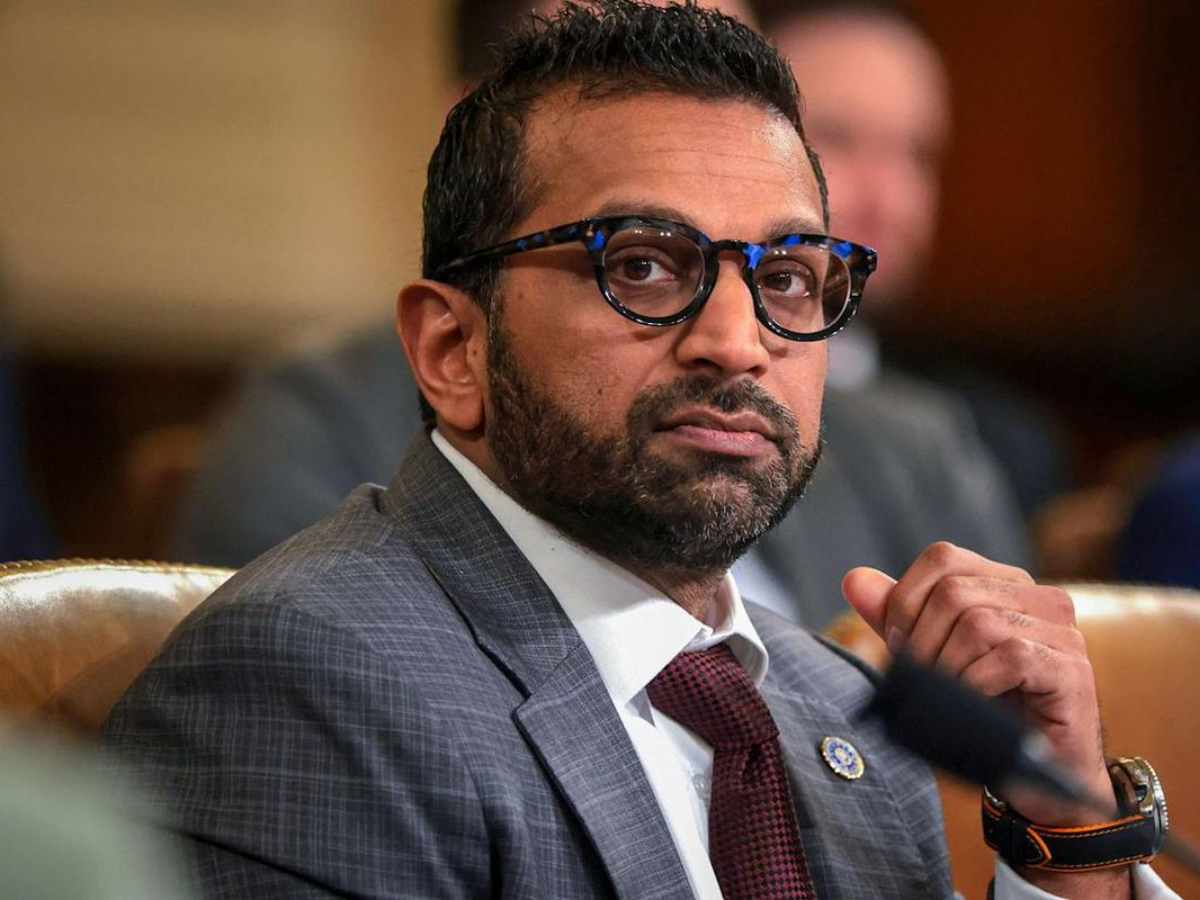
Claims that former U.S. official Kash Patel invoked his Fifth Amendment rights during a congressional hearing after Rep. Ted Lieu played a recording related to Jeffrey Epstein have been circulating widely on social media. The viral posts allege that the recording contained Patel admitting that former President Donald Trump had asked him to suppress files from the Epstein investigation.
However, a thorough examination of congressional records and verified sources reveals no evidence to support these claims.
The social media frenzy began when posts described a dramatic moment supposedly occurring during a House Judiciary Committee hearing in March 2026. According to these accounts, Congressman Lieu played a hidden recording that prompted Patel to invoke his constitutional protection against self-incrimination. These posts rapidly accumulated tens of thousands of views across platforms like Facebook and YouTube, with many users sharing the content without verifying its authenticity.
Official congressional records tell a different story. There is no documentation of Patel appearing before the House Judiciary Committee in March 2026. His last scheduled appearance before the committee was reportedly on September 17, 2025, for an FBI oversight hearing. Furthermore, no credible media organizations have reported on Ted Lieu producing any audio recording during questioning of Patel as described in the viral posts.
The source of these claims appears to trace back to websites known for publishing sensationalist political content. The narrative was subsequently amplified through edited videos with misleading captions that convinced viewers the event had actually occurred. Professional fact-checking organizations and journalists have found no official transcripts, committee footage, or reputable news coverage that would corroborate these allegations.
The controversy has gained traction partly because the Jeffrey Epstein case remains a politically charged issue in the United States. Rep. Lieu has previously advocated for greater transparency regarding documents related to the Epstein case and has publicly criticized Donald Trump over allegations mentioned in lawsuits. For his part, Trump has consistently denied any misconduct, and some legal complaints connected to these allegations have been dismissed during court proceedings.
This incident highlights the concerning speed at which misinformation can spread in today’s digital environment, particularly when it involves inflammatory political claims. Without proper verification mechanisms, fabricated stories can quickly be accepted as fact by thousands of viewers.
The rapid spread of this false narrative demonstrates the critical importance of media literacy and source verification in the current information ecosystem. Social media platforms continue to struggle with the challenge of containing misinformation before it reaches a critical mass of users, especially when the content aligns with existing political biases.
Political tensions surrounding the Epstein case have created a fertile environment for such claims to flourish. The case continues to generate significant public interest due to Epstein’s connections with prominent political and business figures, making it a frequent subject of speculation and conspiracy theories.
For those following political news, this situation serves as a reminder to approach viral claims with skepticism, particularly when they describe dramatic confrontations that would likely receive widespread mainstream media coverage if they had actually occurred.
As this fact check demonstrates, even claims that appear highly specific and detailed can be entirely fabricated. When evaluating such information, checking official records and trusted news sources remains essential before accepting or sharing content on social media.
Fact Checker
Verify the accuracy of this article using The Disinformation Commission analysis and real-time sources.

7 Comments
I’m not surprised to see this debunked. It’s important to carefully vet claims, especially those involving prominent political figures and high-profile investigations. Fact-checking is crucial in today’s information landscape.
This highlights the need to be cautious about unverified social media posts, even when they seem plausible. Relying on official records and credible sources is the best way to get accurate information on these types of issues.
Without official documentation, I’m skeptical of these social media rumors. It’s always best to rely on authoritative sources when evaluating claims about high-profile political figures.
While the alleged recording sounds intriguing, I agree that the lack of evidence in official records is concerning. We should be wary of unsubstantiated viral claims, no matter how sensational they may be.
It’s good to see this claim being thoroughly investigated and found to be unsupported by the evidence. Maintaining a healthy skepticism towards viral social media narratives is important, particularly in the realm of politics.
Interesting claim, but I haven’t seen any credible evidence to support it. Fact-checking seems important when it comes to sensitive political issues like this.
This sounds like a controversial claim that needs to be verified. I’d be curious to see the actual congressional records and hear both sides of the story before drawing any conclusions.