


Listen to the article
President Trump has wielded his clemency powers with notable swiftness during his return to the White House, issuing high-profile pardons that have reignited debates about executive authority and justice.
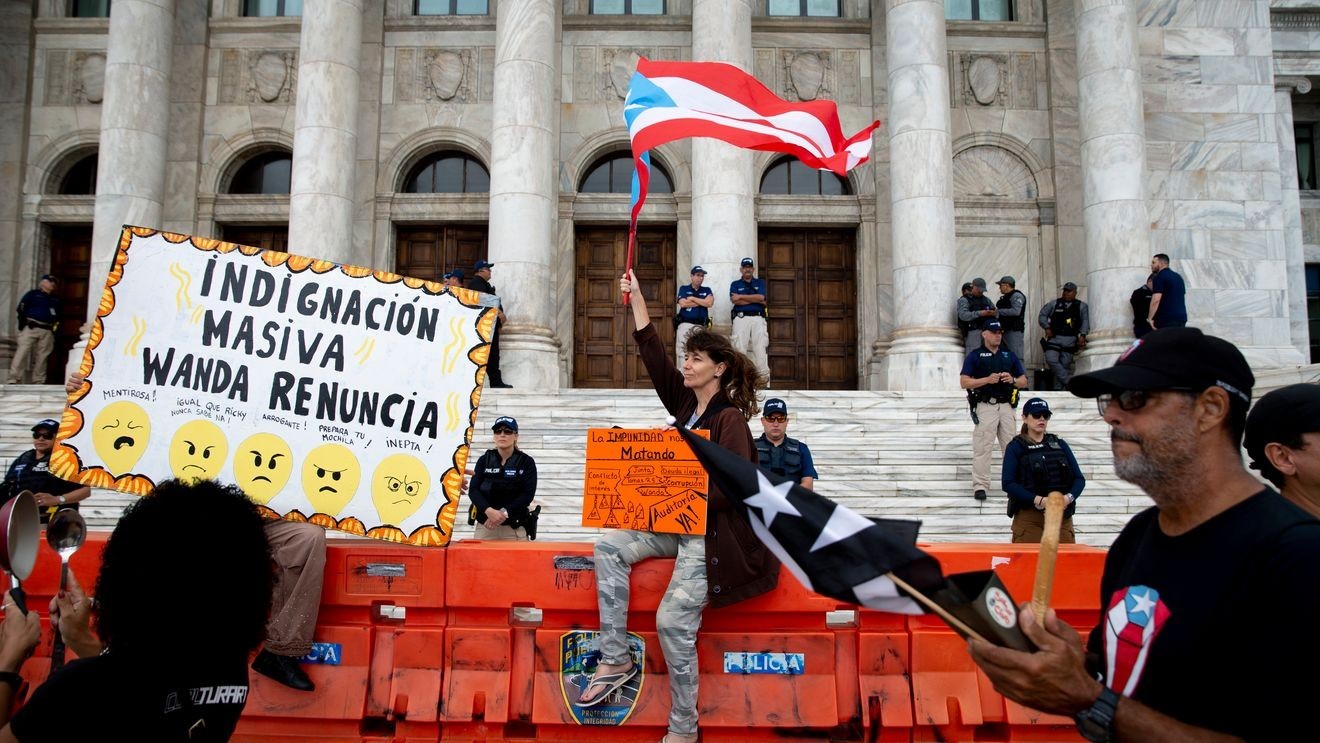
Last week, Trump pardoned former Puerto Rico Governor Wanda Vázquez Garced, who had been facing federal charges stemming from a 2022 indictment related to campaign finance improprieties and corruption allegations. The White House justified the decision by characterizing the prosecution as politically motivated, according to The New York Times. The pardon extended beyond Vázquez to include Julio Martín Herrera Velutini and Mark Rossini, both of whom were implicated in the same federal investigation.
The Vázquez pardon has drawn particular scrutiny from legal experts and political observers because it occurred relatively early in Trump’s term. Traditionally, presidents have reserved their most controversial clemency actions for the twilight of their administrations, when the political consequences are diminished.
“The timing raises questions about precedent and potential future pardons,” said constitutional law expert Catherine Sanderson at Georgetown University. “When presidents exercise clemency this early in a term, it signals a willingness to use this power more aggressively than we’ve seen in recent administrations.”
Presidential pardons have long been a source of national controversy, with several historical examples still resonating in American political memory. Perhaps the most consequential was Gerald Ford’s 1974 pardon of Richard Nixon following the Watergate scandal, a decision that may have cost Ford his election bid but which he maintained was necessary for national healing.
Bill Clinton similarly faced intense backlash for his 2001 pardon of fugitive financier Marc Rich, whose ex-wife had made substantial donations to Democratic causes. The timing—during Clinton’s final days in office—and the appearance of quid pro quo arrangements triggered congressional investigations and public outcry.
According to analysis from the Pew Research Center, modern presidents have increasingly concentrated their clemency actions in the final months of their administrations. This pattern reflects the political reality that pardons and commutations can generate significant controversy, making them safer to issue when a president no longer faces electoral consequences.
“There’s a clear trend toward last-minute clemency,” explained Jeffrey Crouch, author of “The Presidential Pardon Power.” “Presidents are typically cautious about using this constitutional authority when they still have major legislative or policy objectives that require political capital.”
Trump’s approach—issuing high-profile pardons early in his term—breaks with this tradition. Political analysts suggest this could indicate a more assertive use of executive power throughout his presidency, potentially setting the stage for more pardons as his term progresses.
The Constitution grants presidents virtually unlimited authority to pardon federal offenses, with no oversight required from Congress or the judiciary. This broad power has been defended as a necessary check against prosecutorial overreach and miscarriages of justice. Critics, however, warn that pardons can undermine accountability, especially when they benefit political allies or donors.
Puerto Rican advocacy groups have expressed mixed reactions to the Vázquez pardon. Some view it as interference in the island’s governance, while others who supported the former governor have celebrated what they see as corrective justice for politically targeted prosecution.
As Trump continues to exercise his clemency powers, each decision will likely trigger renewed debate about the proper use of this presidential authority and whether it serves to advance justice or undermine it—a conversation as old as the republic itself but given fresh urgency by the current administration’s willingness to issue controversial pardons early in its term.
Fact Checker
Verify the accuracy of this article using The Disinformation Commission analysis and real-time sources.

5 Comments
From a legal perspective, the Vázquez pardon is highly unusual given the timing. Typically presidents reserve their most controversial clemency actions for the end of their terms. This raises questions about the administration’s motives.
Interesting analysis of the timing and implications of this high-profile pardon. Raises valid questions about executive authority and potential abuse of clemency powers.
Agreed, the timing does seem questionable and could set an concerning precedent. Curious to see how this plays out and if there are any lasting impacts.
The political motivations behind this pardon are concerning. Pardoning individuals implicated in corruption allegations seems at odds with the administration’s stated goals of rooting out graft and upholding the rule of law.
You make a fair point. This pardon appears to undermine the principles of equal justice under the law. Will be interesting to see the public reaction and any congressional oversight.