


Listen to the article
In a bold assertion of presidential power, Donald Trump has wasted no time wielding one of the executive branch’s most significant authorities during his second term – the power of clemency. Unlike many of his predecessors who typically reserved pardons and commutations for the twilight of their administrations, Trump has moved swiftly to grant clemency in several high-profile cases, sparking renewed debate about the nature and purpose of presidential pardons.
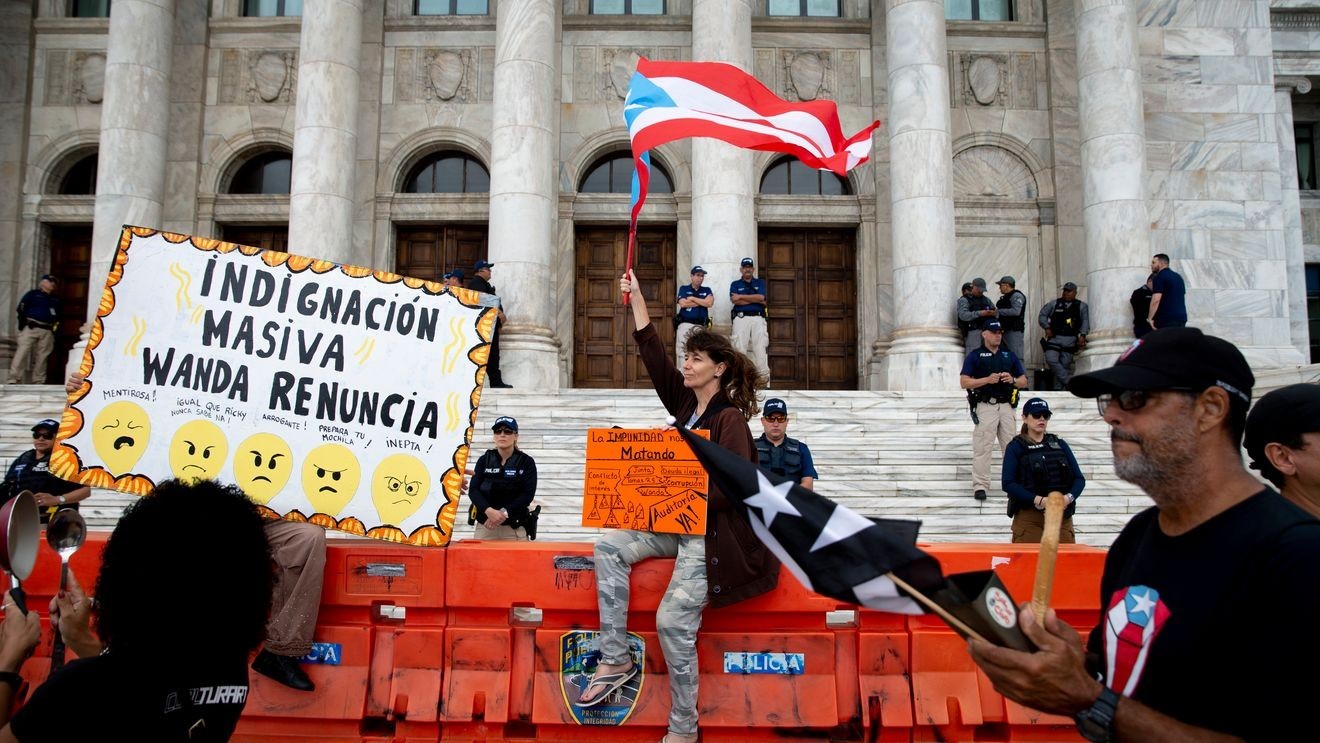
Last week, Trump announced a pardon for former Puerto Rico Governor Wanda Vázquez Garced, who had been indicted in a 2022 federal case involving alleged campaign finance violations and corruption. The White House defended the decision by characterizing the prosecution as politically motivated, according to The New York Times.
The clemency extended beyond Vázquez to include Julio Martín Herrera Velutini and Mark Rossini, co-defendants in the same case. The trio had faced serious federal charges that could have resulted in substantial prison sentences if convicted.
Political analysts note that Trump’s approach to clemency differs markedly from historical norms. According to Pew Research Center analysis, presidents typically reserve their most controversial pardons for the end of their terms, when political costs are minimized and they can have what amounts to a “last word” on contentious matters.
“This early use of clemency power is unusual and suggests a president unafraid to court controversy,” said Dr. Martha Reynolds, a political science professor at Georgetown University. “Most administrations carefully calculate the political fallout from pardons, which is why they often wait until they’re heading out the door.”
The history of presidential pardons is riddled with controversy. Perhaps the most famous example occurred in 1974, when Gerald Ford pardoned Richard Nixon following the Watergate scandal. Ford defended the action as necessary for national healing, but many critics viewed it as short-circuiting accountability for Nixon’s misconduct.
Similarly, Bill Clinton sparked fierce criticism in 2001 when, during his final days in office, he pardoned fugitive financier Marc Rich. Rich had fled the country after being indicted on charges of tax evasion and illegal trading with Iran. The pardon was especially controversial because Rich’s ex-wife had made substantial donations to the Democratic Party and Clinton’s presidential library.
“Presidential pardons often reveal a president’s priorities and personal loyalties in ways that few other powers do,” noted historian James Carleton, author of “Executive Power: The American Presidency.” “When they come early in a term, they can signal to supporters and critics alike what kind of justice the administration values.”
The Puerto Rico case involves particularly complex political dynamics. Puerto Rico, as a U.S. territory, operates under federal law but maintains its own government. The prosecution of a former governor by federal authorities inevitably raises questions about the relationship between the island and the mainland United States.
Legal experts point out that the Constitution places few restrictions on presidential pardon power. “The president’s authority to grant clemency is essentially unchecked, except by public opinion,” explained constitutional law professor Elena Rodriguez. “The framers likely never anticipated how this power would evolve over two centuries.”
For Trump’s supporters, these pardons represent a corrective to what they perceive as politically motivated prosecutions. Critics, however, view them as undermining the rule of law and potentially sending troubling signals about accountability for public corruption.
What remains clear is that Trump’s approach to clemency – beginning early and proceeding boldly – represents yet another break with presidential tradition. As his administration continues, observers will be watching closely to see who else might benefit from this powerful presidential prerogative, and what patterns emerge in his use of this consequential authority.
Fact Checker
Verify the accuracy of this article using The Disinformation Commission analysis and real-time sources.

18 Comments
The ongoing discussion around presidential pardons is an important one. While they can serve a noble purpose, the risk of political interference is troubling. I look forward to seeing how this debate evolves and what potential reforms emerge.
Agreed. Maintaining the integrity of the justice system should be the top priority, even as the pardon power provides a necessary safety valve.
Pardons are a complex issue with valid arguments on both sides. While they can right wrongs, the potential for abuse is concerning. I hope this debate leads to constructive reforms that balance justice and accountability.
Well said. Striking the right balance is crucial, as the pardon power can be a valuable tool when used judiciously.
The use of pardons is a double-edged sword. On one hand, they can provide a path to justice and mercy. On the other, they risk being abused for political gain. I’ll be watching this debate closely to see how it unfolds.
Absolutely. The president’s pardon authority is a significant executive power that requires careful consideration and restraint to avoid erosion of the rule of law.
Interesting to see the debate around presidential pardons flare up again. While they can be a tool for justice, the concerns around potential abuse or political motivations are valid. Curious to hear more perspectives on the implications here.
I agree, the balance between executive power and accountability is a tricky one. These high-profile cases certainly raise eyebrows and warrant close scrutiny.
This is a complex and contentious issue without easy answers. Pardons can serve as a tool for justice, but the risk of abuse is real. I’ll be following this debate closely to see how policymakers navigate these tricky waters.
Agreed. The pardon power is a double-edged sword that requires careful consideration and oversight to ensure it is not misused for political gain.
The debate over presidential pardons is a timely and important one. While the power can be used to remedy unfair prosecutions, the potential for political favoritism is concerning. I hope this discussion leads to reforms that strike the right balance.
Well said. Maintaining the integrity of the justice system should be the paramount concern, even as the pardon power provides a necessary safety valve.
This is a complex issue without easy answers. Pardons can serve an important role, but the potential for political favoritism is worrying. I hope the public discourse remains measured as the implications are thoroughly examined.
Well said. Transparency and consistency in how the pardon power is wielded will be key to maintaining public trust.
Interesting to see the debate around presidential pardons flare up again. While they can be a tool for justice, the concerns around potential abuse or political motivations are valid. I’ll be following this discussion closely to see what potential reforms emerge.
Well said. The pardon power is a crucial executive prerogative, but one that must be exercised with great care and transparency to preserve public trust.
Pardons are a double-edged sword – they can correct injustices, but also enable abuses of power. This debate touches on fundamental questions of checks and balances. I’ll be following it closely to see how policymakers navigate these complexities.
Absolutely. The pardon power is a crucial presidential prerogative, but one that must be exercised with great care and transparency to preserve public trust in the system.