


Listen to the article
British Resident Doctors Launch Six-Day Strike Amid Pay Dispute
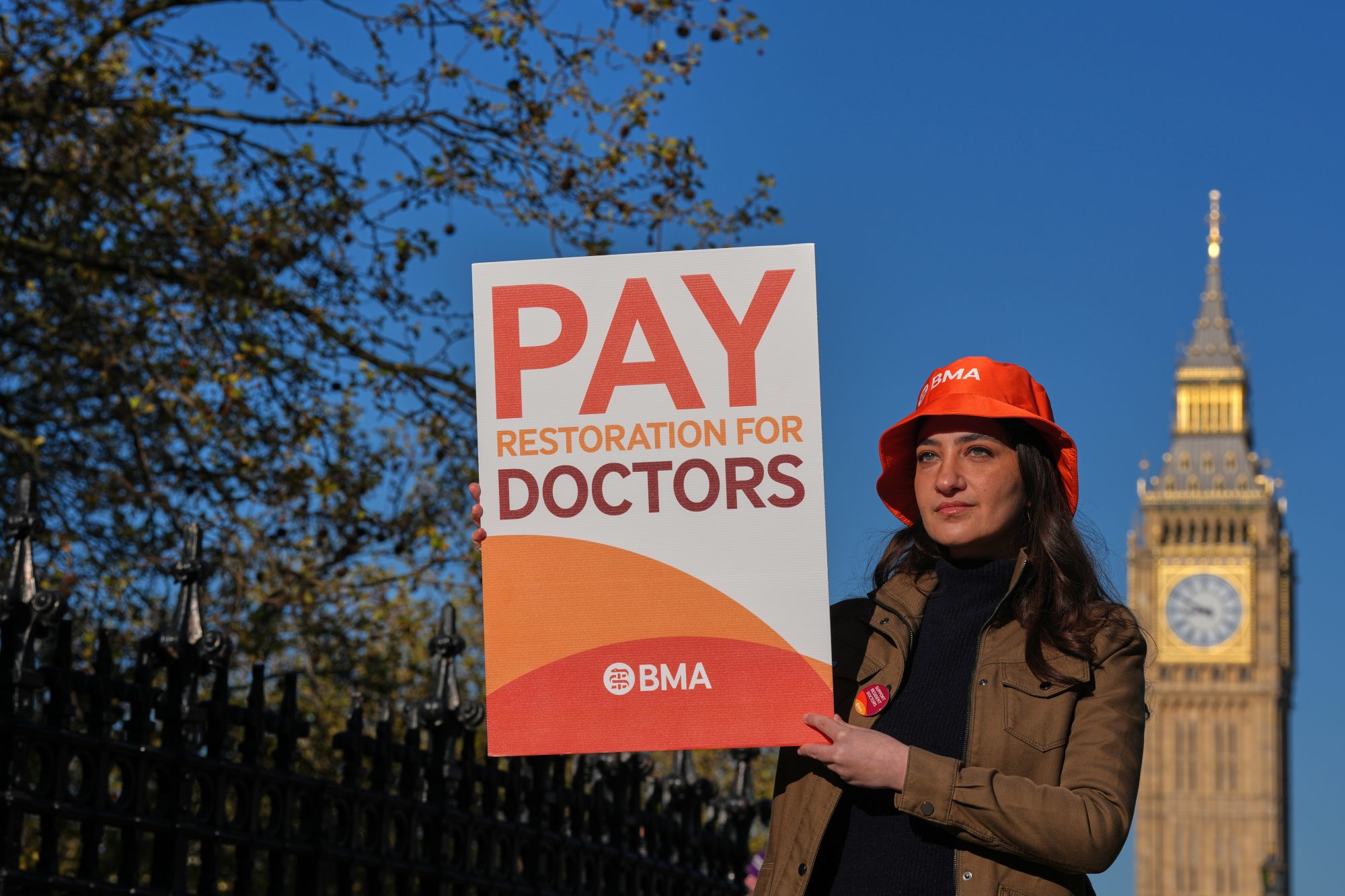
The latest round of industrial action by resident doctors in England began on April 7 and will continue until 6:59am on April 13, marking the fifteenth strike organized by the British Medical Association (BMA) since their dispute with the government started in September 2024.
The walkout involves members of the BMA who work as resident doctors, though exact participation numbers remain unclear. Resident doctors, previously known as junior doctors, constitute approximately half of England’s NHS medical workforce, with 79,000 currently employed across the system. The term encompasses medical professionals ranging from those in their first years of training to specialized registrars who haven’t yet reached consultant level.
At the heart of the dispute is compensation. In late March, the BMA rejected a government offer of a 3.5 percent pay rise, describing it as barely keeping pace with inflation. According to NHS Careers, resident doctors currently earn between £38,831 and £73,992, depending on their experience and specialization level.
The union argues that when accounting for inflation, resident doctors’ real wages have declined by 21 percent compared to 2008/09 levels. This calculation has sparked debate, as the BMA uses the Retail Price Index (RPI) rather than the more widely accepted Consumer Price Index (CPI). The union defends its methodology, stating that RPI is the same measure used to calculate interest on student loans that many doctors are still repaying.
The difference between these inflation metrics is significant. According to a 2025 analysis by the Nuffield Trust, resident doctor pay has decreased by 4.7 percent since 2008 when measured against CPI, but the decline jumps to 17.9 percent when using RPI.
Beyond compensation issues, tensions have escalated over specialist training opportunities. Health Secretary Wes Streeting had proposed creating 1,000 additional training positions in 2026 but withdrew the offer after the BMA announced the strike would proceed. The government maintains that the industrial action made it “operationally and financially impossible” to launch these positions in time for this year’s recruitment cycle.
The BMA contends that insufficient training places have created bottlenecks in career progression for many doctors, resulting in extended waiting periods for specialized roles.
Despite the disruption, NHS England aims to maintain approximately 95 percent of normal operations during the strike. Hospitals are prioritizing urgent elective surgeries and cancer care, with particular attention to patients who have been waiting more than 62 days for treatment. Patients have been advised to attend scheduled appointments unless specifically notified of cancellations or rescheduling.
Emergency services, including 999 and 111 lines, will continue to operate normally, though officials warn that non-urgent cases may face longer wait times in accident and emergency departments.
Dr. Jack Fletcher, chair of the BMA’s Resident Doctors Committee, expressed frustration with the negotiations: “We have been negotiating in good faith for weeks to try and end the simultaneous pay and jobs crises for resident doctors. Frustratingly we had been making good progress right up until the point, in the last two weeks, when the Government began to shift the goalposts.”
The Health Secretary responded with an open letter to the BMA, describing the union’s decision as “disappointing,” particularly given the timing that would “impact on the holiday plans many staff will have made during the Easter break.”
This latest industrial action comes amid ongoing challenges for the NHS, which continues to face staffing shortages, treatment backlogs, and financial pressures. The dispute highlights deeper tensions within the healthcare system as it attempts to recover from pandemic-related strains while addressing long-standing workforce concerns.
Fact Checker
Verify the accuracy of this article using The Disinformation Commission analysis and real-time sources.

12 Comments
This is a complex issue with valid arguments on both sides. I hope the government and doctors can find a fair compromise that addresses resident doctors’ pay concerns while also considering the NHS’ overall financial constraints.
Agreed, the long-term stability of the NHS needs to be balanced with fair compensation for the hard work of resident doctors.
The resident doctors’ strike highlights the importance of competitive pay and working conditions to attract and retain vital medical talent in the UK. Resolving this dispute effectively is crucial for the NHS’ ability to provide high-quality care.
Well said. Maintaining a motivated and engaged medical workforce should be a top priority for the government.
This dispute highlights the complex tradeoffs involved in public sector labor relations. While the resident doctors’ grievances seem justified, the government also faces fiscal constraints. I hope both sides can find a middle ground that works for patients, doctors, and taxpayers.
Well said. Compromise and nuance will be essential to resolving this issue constructively.
This is a challenging situation with no easy answers. While I sympathize with the resident doctors’ pay concerns, the government also faces budgetary pressures. A balanced, evidence-based solution is needed to resolve this impasse.
You make a fair point. Both sides will need to approach this with flexibility and good faith to find a workable compromise.
I’m curious to see how this standoff between the government and resident doctors plays out. A prolonged strike could significantly disrupt healthcare delivery, so I hope both sides can find a reasonable compromise soon.
Agreed, a protracted dispute would be concerning. Hopefully cooler heads can prevail and a resolution reached that works for all stakeholders.
The resident doctors’ strike underscores the vital role they play in the NHS. I hope the government recognizes their contributions and works constructively with the BMA to address compensation issues and ensure the continued delivery of quality healthcare.
Absolutely. Retaining and supporting skilled medical professionals should be a top priority for policymakers.