


Listen to the article
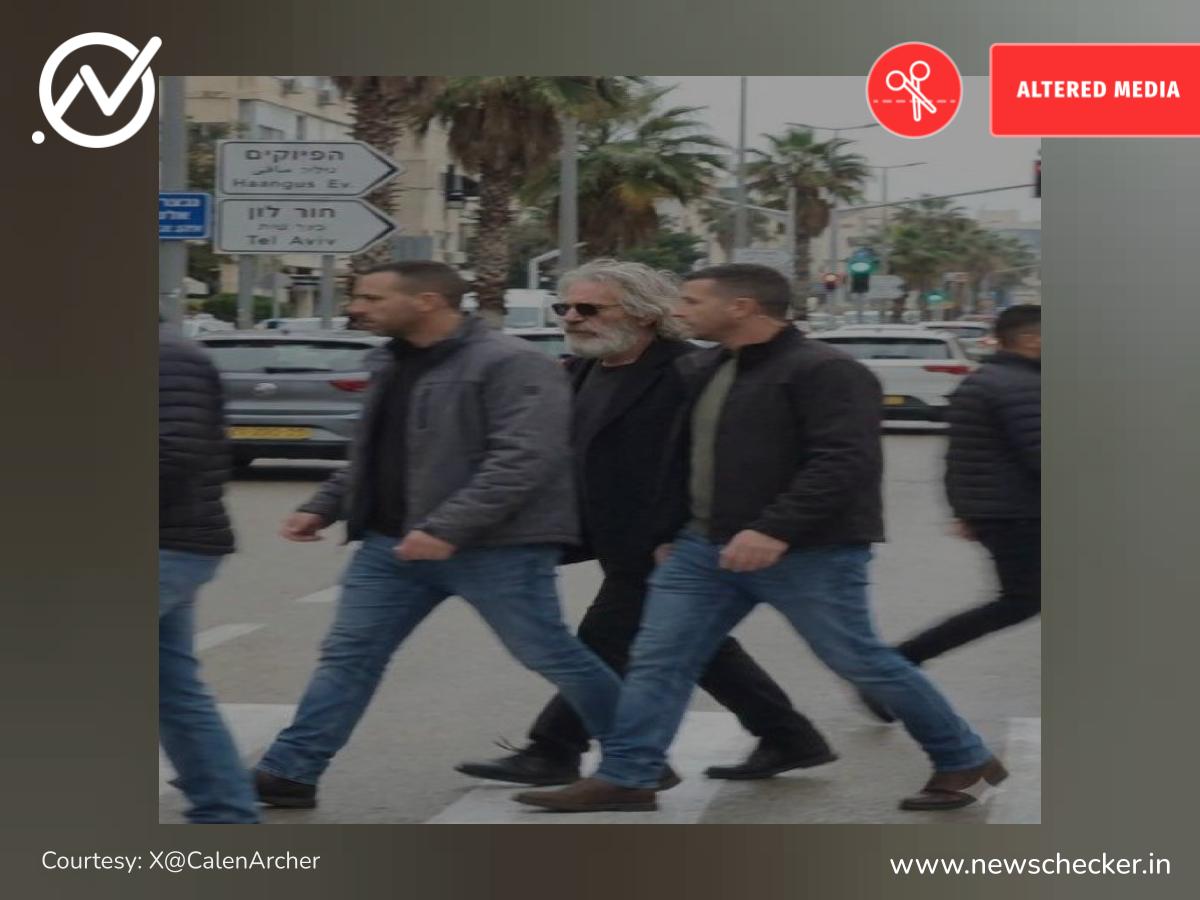
In the wake of Jeffrey Epstein’s legal documents becoming public, a new conspiracy theory has emerged on social media platforms claiming the disgraced financier is still alive. A widely circulated image purportedly shows Epstein walking on a street in Tel Aviv, Israel, fueling speculation about his supposed survival after his reported death in 2019.
The photograph, which appears to depict a man with a striking resemblance to Epstein casually strolling through an urban environment, has garnered significant attention amid renewed interest in the Epstein case. The image has spread rapidly across platforms like X (formerly Twitter), where users have shared it as supposed evidence that Epstein faked his death and escaped to Israel.
However, comprehensive analysis of the image reveals it to be entirely fabricated. Multiple independent AI detection tools have confirmed the photograph was created using artificial intelligence technology, not captured by a camera.
Hive Moderation, a specialized content analysis platform, assigned a 99.7% probability that the image contains AI-generated content. This assessment was corroborated by additional detection tools including Undetectable AI and Decopy AI, both of which separately identified the image as likely produced through artificial intelligence rather than representing a genuine photograph.
Perhaps most tellingly, the viral image contains a Gemini AI watermark in its lower right corner. When questioned about the image, Google’s Gemini AI system itself confirmed that the content was likely created using Google’s own artificial intelligence tools, further cementing its fabricated nature.
The conspiracy theory comes amid heightened public interest in Epstein following the court-ordered release of previously sealed documents related to his case. These documents have triggered a wave of both legitimate reporting and misinformation across social media platforms.
This isn’t the first instance of AI-generated images being weaponized to spread false information about the Epstein case. Similar fabricated images have circulated showing public figures like former presidents Donald Trump and Bill Clinton in compromising positions with Epstein, as well as fabricated images connecting filmmaker Mira Nair and politician Zohran Mamdani to the disgraced financier.
According to official reports, Jeffrey Epstein died by suicide in August 2019 while in custody at the Metropolitan Correctional Center in Manhattan. He was being held without bail on federal sex trafficking charges at the time of his death, which was officially ruled a suicide by hanging following an autopsy by the New York City medical examiner.
The circumstances surrounding Epstein’s death have been the subject of intense scrutiny and conspiracy theories, partly due to significant security failures at the correctional facility, including malfunctioning cameras and guards who failed to conduct required checks. These irregularities, combined with Epstein’s connections to powerful figures across business, politics, and entertainment, have provided fertile ground for conspiracy theories suggesting his death was staged.
However, no credible evidence has ever emerged supporting claims that Epstein is still alive. Extensive investigations by journalists, law enforcement, and government officials have consistently upheld the conclusion that Epstein died by suicide while in federal custody.
Media literacy experts warn that the increasing sophistication of AI-generated content presents significant challenges for information integrity in the digital age. Such fabricated images can appear convincingly real to the untrained eye, particularly when they align with existing conspiracy narratives.
As this case demonstrates, verifying visual content through specialized detection tools and cross-referencing with reliable news sources remains essential for distinguishing between authentic information and manufactured falsehoods in today’s media environment.
Fact Checker
Verify the accuracy of this article using The Disinformation Commission analysis and real-time sources.

9 Comments
Glad to see the experts were able to conclusively determine this image was fabricated using AI tech. Spreading misinformation, even unintentionally, can be harmful. Kudos to the fact-checkers for their thorough investigation.
Agreed. Fact-checking is crucial in the digital age when false content can spread like wildfire. It’s good to see the sources used robust AI detection tools to identify this as a synthetic image.
Impressive that the analysis tools were able to determine with such a high degree of certainty that this Epstein image was AI-generated. It’s a sobering example of the challenges we face in the era of deepfakes and synthetic media. Rigorous fact-checking is crucial.
While it’s unsurprising that conspiracy theories would emerge around Epstein’s case, I’m glad to see the experts take the time to thoroughly investigate and conclusively identify this image as AI-generated. Responsible reporting is vital in these situations.
The ability to generate realistic-looking images using AI is concerning, as it can be exploited to create convincing misinformation. Robust fact-checking protocols are essential to combat the rising tide of deepfakes and other fabricated content.
Interesting that this image was debunked as AI-generated. It really highlights the need for critical thinking and fact-checking, especially around sensitive topics like Epstein’s case. Conspiracy theories can spread rapidly online, so it’s important to verify claims before sharing.
This is a cautionary tale about the dangers of blindly believing images and claims shared online, especially around controversial figures like Epstein. Kudos to the researchers for their diligence in debunking this particular piece of disinformation.
Absolutely. With AI image generation advancing rapidly, we must all be more vigilant about verifying visual content before sharing or believing it. Fact-checking is crucial to maintain trust and combat the spread of false narratives.
The ability of AI to create such convincingly realistic images is both fascinating and concerning. Kudos to the fact-checkers for their diligence in exposing this particular fabrication. It’s a good reminder to always scrutinize visual content, even if it appears authentic.