


Listen to the article
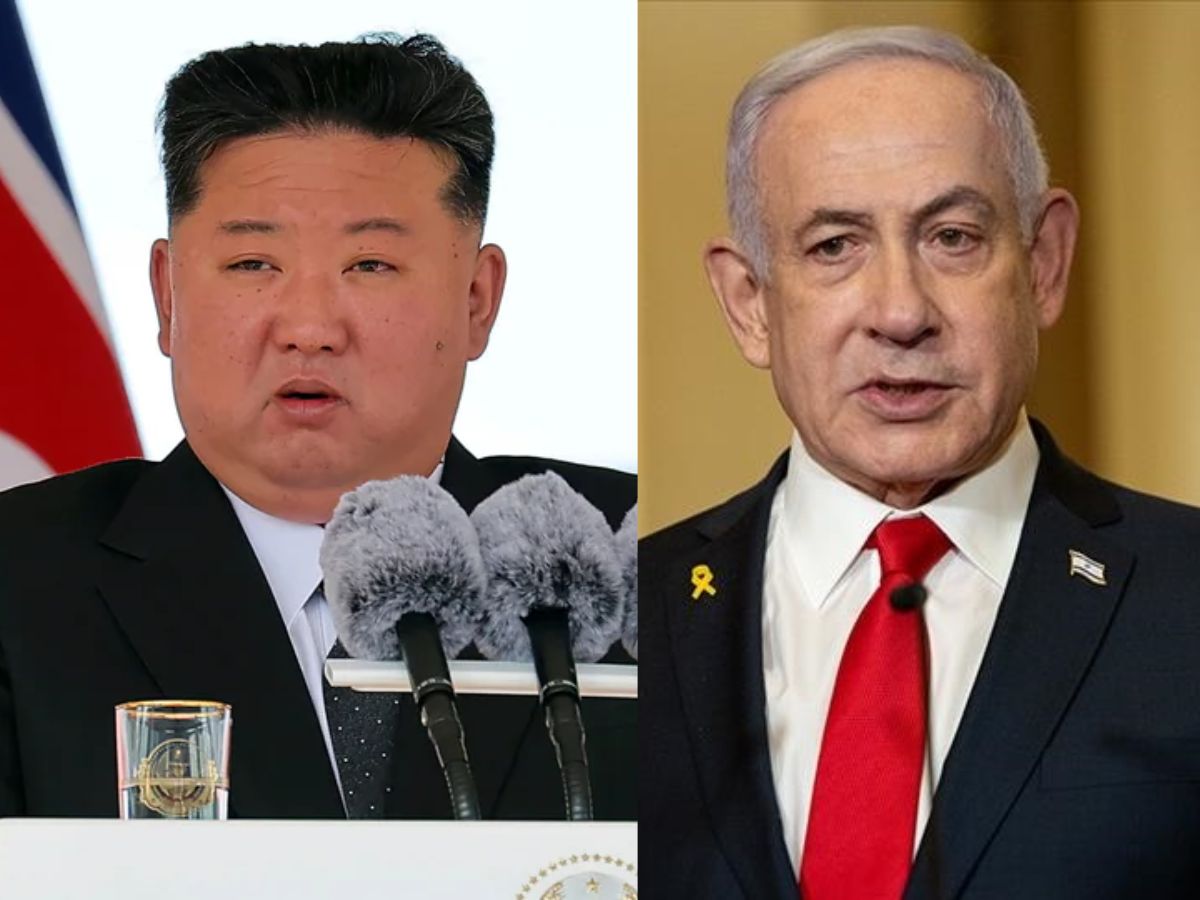
In the swirl of tensions engulfing the Middle East, a false narrative has gained traction across social media platforms claiming that Israel struck North Korea’s embassy in Tehran, supposedly provoking an angry response from North Korean leader Kim Jong Un.
The unverified reports, which spread rapidly across platforms like X and Telegram, claimed Kim had issued a stern warning that “Israel made a huge mistake” following the alleged embassy attack. However, comprehensive fact-checking reveals no evidence supporting either the embassy strike or the attributed statement.
This misinformation emerged against the backdrop of genuine military actions in the region, including Israeli strikes on Iranian energy infrastructure and political facilities. The ongoing conflict involving Iran, Israel, and the United States has created an information environment where unverified claims can quickly gain momentum.
A thorough review of major international news agencies, official North Korean state media, and diplomatic communications shows no confirmation of an attack on North Korea’s embassy in Tehran. Similarly, no credible source has verified the quote attributed to Kim Jong Un about Israel making “a huge mistake.”
While North Korea has indeed made public statements about the situation in the Middle East, these have been general criticisms rather than responses to any specific embassy attack. A North Korean foreign ministry spokesperson recently acknowledged Iran’s selection of a new Supreme Leader, stating: “Regarding the recent official announcement that the Iranian Assembly of Experts has elected a new leader of the Islamic Revolution, we respect the right and choice of the Iranian people to elect their Supreme Leader.”
In the same statement, North Korea condemned what it characterized as “illegal aggression” by the United States and Israel in the region, expressing concerns about stability, but made no mention of its embassy being targeted.
The spread of such misinformation highlights the challenges of navigating news during high-stakes international conflicts. Social media’s amplification mechanisms can rapidly elevate unverified claims, particularly when they contain dramatic elements like quotes from controversial world leaders or suggest escalations in global conflicts.
The current geopolitical landscape in the Middle East provides fertile ground for such rumors. With real military operations occurring and significant casualties being reported, audiences are primed to believe additional reports of escalation, even without verification.
Security analysts note that diplomatic facilities do represent potential flashpoints in international conflicts, which lends superficial plausibility to claims about embassy attacks. However, targeting a North Korean diplomatic mission would represent a significant and unlikely escalation by Israel, given the already complex regional dynamics.
North Korea maintains diplomatic relations with Iran and has historically been critical of Israeli and American policies in the Middle East. This existing relationship provides context that makes the fabricated story seem more believable to casual observers, despite lacking factual foundation.
Media literacy experts recommend that consumers of news exercise particular caution during active conflicts, when the information environment becomes especially vulnerable to manipulation. Verifying information through multiple credible sources becomes crucial before accepting or sharing dramatic claims.
This case illustrates the importance of critical evaluation of sources, particularly when information emerges primarily through social media channels rather than established news organizations with verification processes.
As tensions continue in the Middle East, distinguishing between verified reporting and unsubstantiated claims remains essential for understanding the true dynamics of this complex regional conflict. The false narrative about North Korea’s embassy serves as a reminder that not all widely shared information during crises reflects reality.
Fact Checker
Verify the accuracy of this article using The Disinformation Commission analysis and real-time sources.

10 Comments
This story highlights the complex dynamics in the Middle East and the potential for tensions to escalate quickly. It will be important to monitor the situation closely, but with a critical eye toward verifying the accuracy of reports.
Absolutely. Maintaining objectivity and relying on well-established sources is crucial when dealing with fast-moving geopolitical developments that could impact energy, mining, and other commodity-linked industries.
The energy and mining sectors are closely tied to geopolitics, so developments like this are worth following. However, it’s prudent to rely on authoritative sources and avoid jumping to conclusions based on unconfirmed reports.
Agreed. Maintaining a level-headed, analytical perspective is important when assessing potential conflicts that could impact commodity markets and related equities.
The lack of confirmation from major news agencies and official channels raises doubts about the validity of these claims. It’s prudent to approach unverified reports, especially those involving high-stakes international conflicts, with a healthy dose of skepticism.
While the potential implications of an Israeli strike on a North Korean embassy in Iran are significant, the evidence for such an event seems lacking. Caution is warranted until the facts can be clearly established by reputable sources.
Agreed. Rushing to judgment based on unconfirmed information could lead to unnecessary speculation and potentially misinform discussions around the impacts on related industries and markets.
While the alleged embassy strike and Kim’s response are intriguing, I’d want to see solid evidence from reputable news outlets before accepting these claims as facts. Misinformation can spread rapidly, especially around sensitive global issues.
Interesting situation in the Middle East, though the reports of an attack on the North Korean embassy in Tehran seem dubious. Without solid evidence, it’s best to be cautious about such claims, especially with tensions already high in the region.
Yes, fact-checking is crucial here to avoid spreading misinformation. Unverified claims can quickly take on a life of their own in these charged geopolitical environments.