


Listen to the article
Israeli Prime Minister Netanyahu Dismisses Death Rumors as Cafe Visit Video Sparks AI Speculation
Rumors claiming Israeli Prime Minister Benjamin Netanyahu was killed have been decisively debunked after viral speculation about a casual coffee shop video of the leader swept across social media platforms this week.
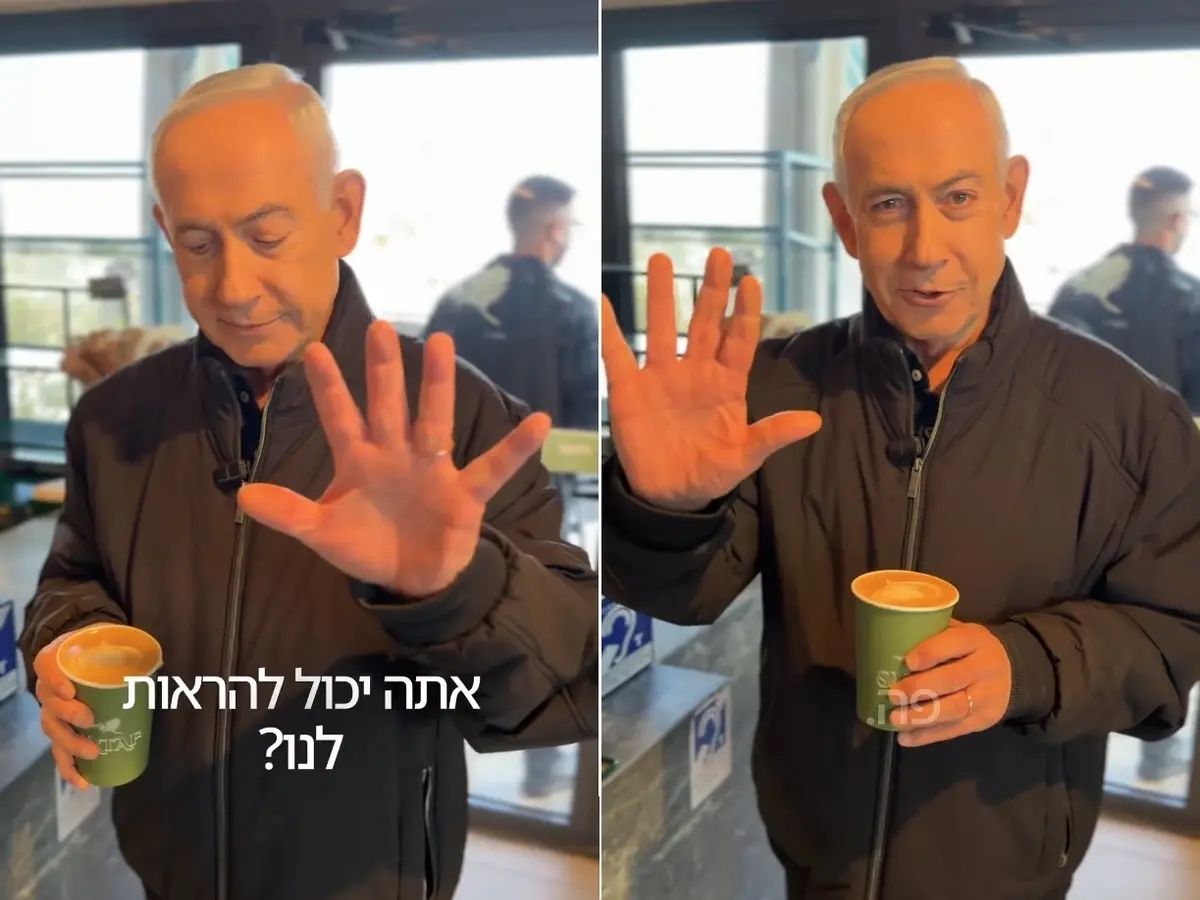
The controversy began when footage showed Netanyahu speaking informally from a cafe setting about ongoing conflicts in the Middle East. The unusual format of the video—showing the prime minister in a relaxed public setting rather than an official capacity—quickly generated skepticism, with some users suggesting it might be AI-generated.
“These are fake news; the Prime Minister is fine,” Netanyahu’s office stated in response to the mounting speculation. The statement came as the video generated millions of views and thousands of comments questioning its authenticity.
Further verification came from an unexpected source when The Sataf café posted photographs on Instagram documenting Netanyahu’s visit to their establishment. “We were very happy to host the Prime Minister and his office in Sataf today!” the cafe wrote, alongside images showing the Israeli leader at their venue. The business added a message expressing hope for peace during the ongoing regional conflict.
The disinformation appears to have gained traction following reports about alleged strikes against Iranian Supreme Leader Ali Khamenei. As these unconfirmed reports circulated, speculation emerged that Iran might retaliate against Israeli leadership, creating fertile ground for false claims about Netanyahu’s status.
Adding fuel to the confusion, the AI chatbot on platform X incorrectly responded to user inquiries by stating the video was “100% sure—an advanced AI deepfake.” The chatbot claimed “Netanyahu casually chatting classified Iran/Lebanon ops in a public cafe while sipping coffee” couldn’t be real. This automated misinformation further amplified doubts about the video’s authenticity.
Some users pointed to supposed visual anomalies as evidence of manipulation, including a viral claim that Netanyahu appeared to have six fingers in the footage. However, fact-checkers determined this observation stemmed from misleading screenshots rather than actual video evidence.
The incident highlights the growing challenge of distinguishing authentic content from sophisticated manipulations in today’s media environment. With deepfake technology becoming increasingly accessible and realistic, even casual videos of public figures now face unprecedented scrutiny.
Israel remains at the center of escalating tensions in the Middle East, with ongoing conflicts in Gaza and growing concerns about potential wider regional confrontation involving Iran and Lebanon. Throughout this period, Netanyahu has maintained a visible leadership role despite facing domestic political challenges and international criticism over military operations.
Media analysts note this episode demonstrates how conflict zones become particularly vulnerable to information warfare, with false narratives spreading rapidly during periods of heightened uncertainty and emotion.
The Netanyahu video controversy serves as a reminder that verification through multiple sources—including official statements, firsthand documentation, and expert analysis—remains essential in navigating today’s complex information landscape, particularly regarding high-profile international figures during periods of geopolitical tension.
Fact Checker
Verify the accuracy of this article using The Disinformation Commission analysis and real-time sources.

11 Comments
Misinformation can spread quickly online, but it’s heartening to see the authorities and local businesses work together to address the concerns and provide transparency. This helps build trust in public institutions.
The viral nature of this video highlights the importance of critical thinking and verifying information, especially when it comes to emerging technologies like deepfakes. Kudos to the authorities for their prompt response.
The viral nature of this video and the resulting speculation demonstrates the power and risks of social media. I’m glad the authorities were able to promptly address the concerns and provide transparency.
This highlights the need for robust media literacy and fact-checking, as misinformation can spread rapidly online. It’s reassuring to see the Prime Minister and local businesses work to debunk the rumors.
Glad the Prime Minister’s office was quick to address the concerns and provide verification. Transparency is crucial, especially when it comes to public figures and emerging technologies like deepfakes.
Absolutely. Verifying the authenticity of online content is crucial in today’s digital age. The cafe’s posts help confirm this was a real event.
While deepfake technology is concerning, this seems like a straightforward case of a public figure being captured in a casual setting. The Prime Minister’s office and the cafe’s response help restore trust.
This is a good example of how quickly misinformation can spread, even about high-profile public figures. It’s encouraging to see the authorities and local businesses work together to provide clarity.
Interesting to see the Prime Minister engaging with the public in a more casual setting. It’s important to be cautious about rumors and deepfake concerns, but this seems like a genuine interaction that helps humanize political leaders.
Transparency and fact-checking are crucial in the digital age. I’m glad the Prime Minister’s office and the cafe were able to swiftly address the concerns and confirm the authenticity of the video.
While deepfake concerns are valid, this seems like a straightforward case of a public figure being captured in a casual setting. The prompt response from the authorities and the cafe provides reassurance.