


Listen to the article
The rumors of Israeli Prime Minister Benjamin Netanyahu’s death have been greatly exaggerated. In recent days, social media has been flooded with false claims about the Israeli leader amid ongoing tensions between Israel, the United States, and Iran.
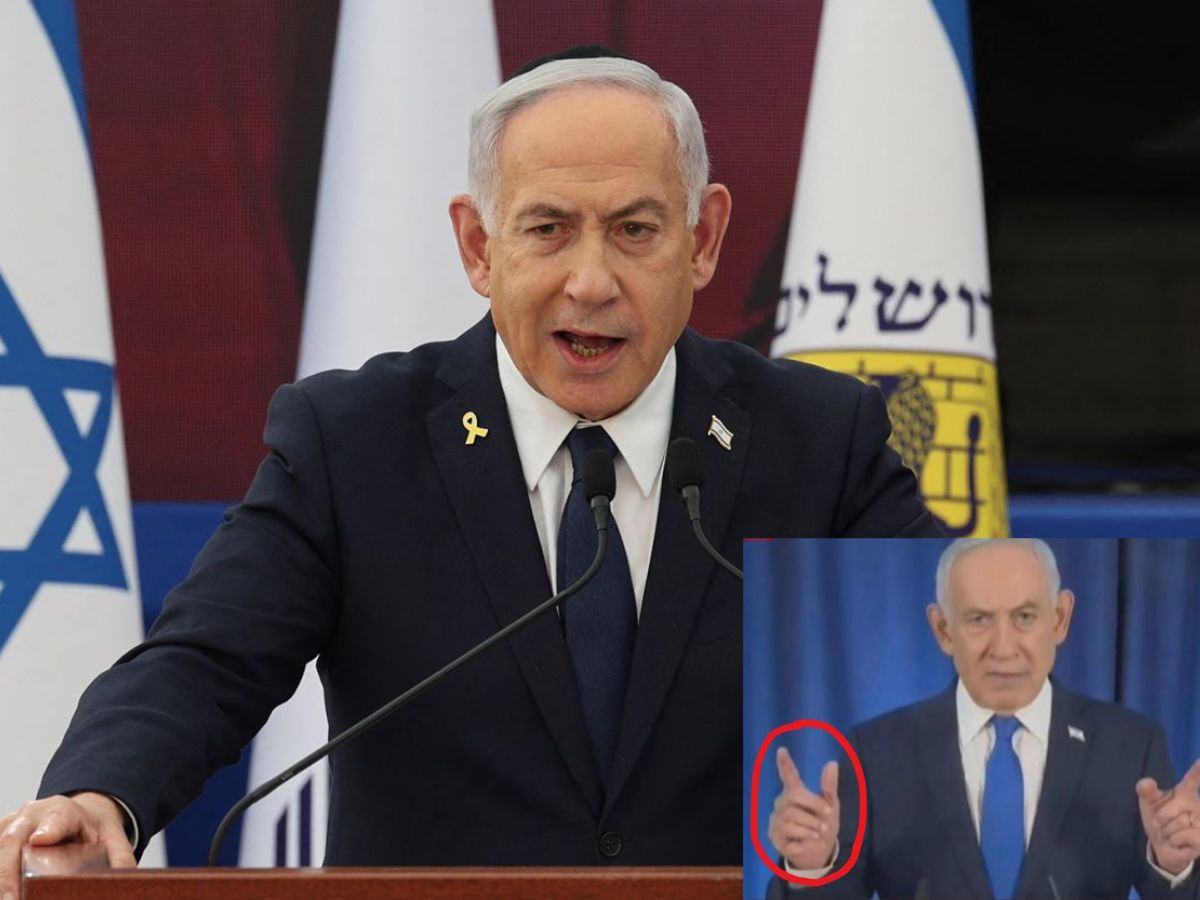
Numerous viral posts alleged that Netanyahu had died, with some users sharing what appeared to be screenshots of an official announcement from the Israeli PM’s account that was supposedly later deleted. Other posts claimed that recent video appearances by Netanyahu were generated using artificial intelligence, pointing to what they described as an unusual “six fingers” visible in one frame as evidence of digital manipulation.
These rumors gained significant traction as regional hostilities intensified, with some accounts even suggesting that Iran had specifically targeted Netanyahu during recent military exchanges.
However, fact-checking organizations have thoroughly debunked these claims. The alleged screenshot announcing Netanyahu’s death was fabricated, with no such post ever appearing on any official Israeli government account. Netanyahu has continued to make public appearances and address the nation throughout the crisis.
The AI video conspiracy theory stemmed from what fact-checkers identified as a simple optical illusion. When Netanyahu gestured during a press conference, the camera angle and motion created what some viewers misinterpreted as a sixth finger. Experts note that such visual anomalies are common when examining single frames extracted from video footage, particularly when someone is in motion.
“Netanyahu has five fingers on each hand like most people. The red circle and angle create an optical illusion; it’s just a still from the press conference video,” explained the AI chatbot Grok, which has been responding to users seeking verification of these claims.
Claims that Iran targeted the Israeli prime minister or members of his family have similarly been dismissed as unfounded. Netanyahu’s office has rejected such allegations as “fake news,” and the prime minister remains visibly engaged in leading Israel’s operations during the conflict.
Media specialists point out that misinformation tends to proliferate rapidly during geopolitical crises when public anxiety is high and people are actively seeking updates. The current tensions between Israel and Iran have created fertile ground for such false narratives to spread.
The phenomenon illustrates the dangerous speed at which unverified claims can circulate on social media platforms. Users often share dramatic assertions before confirming their accuracy, creating self-reinforcing cycles of misinformation that can be difficult to contain once they gain momentum.
Israeli government officials have confirmed that Netanyahu continues to oversee the country’s political and security operations amid the regional crisis. Recent footage shows him participating in high-level discussions and making public statements regarding military operations.
Fact-checking organizations emphasize the importance of relying on verified information sources during times of conflict. They recommend consulting official government channels and established news organizations rather than anonymous social media accounts, particularly when extraordinary claims are made without substantiation.
The spread of these false narratives highlights the challenges of maintaining information integrity during international conflicts. As tensions remain high in the Middle East, experts urge the public to exercise critical thinking when consuming news and to verify information through multiple credible sources before accepting or sharing provocative claims.
As of now, Netanyahu remains very much alive and actively engaged in his role as Israel’s prime minister, despite what your social media feed might suggest.
Fact Checker
Verify the accuracy of this article using The Disinformation Commission analysis and real-time sources.

16 Comments
I’m glad to see the rumors of Netanyahu’s death were quickly debunked. With social media, misinformation can gain traction alarmingly fast, so it’s crucial for news outlets to fact-check and set the record straight.
Yes, the rapid spread of these types of false claims underscores the need for digital literacy and critical thinking when consuming online content. Verifying information is key.
The alleged AI-generated video is an interesting claim, but I’ll need to see more evidence before believing it. Technological manipulation is certainly a concern, but we should be cautious about unsubstantiated conspiracy theories.
Agreed. Extraordinary claims require extraordinary proof, especially when it comes to accusations of digital fakery. I’d want to see a thorough analysis from credible experts before drawing any conclusions.
It’s disheartening to see how quickly misinformation can spread, particularly during times of geopolitical tension. Fact-checking and critical thinking are more important than ever to counter the proliferation of false narratives online.
Agreed. In an age of digital information overload, we all have a responsibility to be discerning consumers of content and to rely on authoritative, well-researched sources. Maintaining a level head is crucial.
While the alleged AI-generated video is an intriguing claim, I’ll need to see more evidence from credible experts before believing it. Technological manipulation is certainly a concern, but unfounded conspiracy theories can be just as problematic.
Absolutely. Extraordinary claims require extraordinary proof, especially when it comes to accusations of digital fakery. I’m glad the fact-checkers were quick to debunk the rumors of Netanyahu’s death and set the record straight.
It’s concerning to see how regional tensions can fuel the spread of misinformation. In times like these, maintaining a level head and relying on reputable sources is crucial to avoid falling for false narratives.
Well said. Fact-checking is vital to counter the deluge of conspiracy theories that can emerge during geopolitical crises. Reliable journalism has an important role to play in upholding the truth.
The alleged AI-generated video is an intriguing claim, but I’ll need to see a more thorough analysis from credible experts before drawing any conclusions. Technological manipulation is certainly a concern, but unsubstantiated conspiracy theories can be just as dangerous.
Well said. Extraordinary claims require extraordinary evidence, especially when it comes to accusations of digital fakery. I’m glad the fact-checkers were quick to debunk the rumors of Netanyahu’s death.
While it’s understandable that people are on edge given the current situation, spreading unverified claims about a world leader’s death is irresponsible and can have real consequences. I’m glad the facts were swiftly established.
Absolutely. In the age of social media, the speed at which misinformation can spread is alarming. It’s critical that we all make the effort to think critically and verify information before amplifying it.
Interesting how conspiracy theories can spread like wildfire during times of heightened tensions. It’s important to rely on authoritative sources and fact-checking to separate truth from fiction.
Absolutely. Viral videos and suspicious screenshots should always be verified before believing them, especially when it comes to high-profile political figures.