


Listen to the article
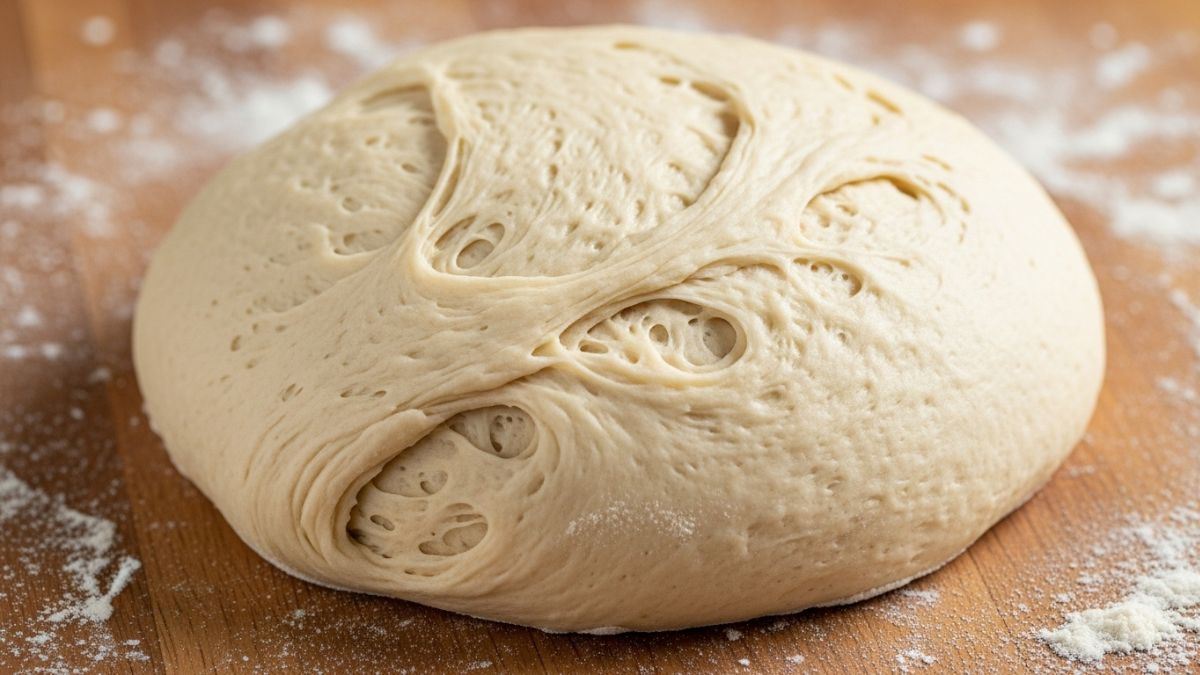
The overnight storage of kneaded dough, a common practice in many Indian households, has come under scrutiny following a viral social media post that has sparked debate among food safety experts and nutritionists.
Dietician Bhawesh Gupta, who boasts over 720,000 Instagram followers, recently addressed the safety concerns of storing leftover kneaded flour in refrigerators overnight. His video, which has garnered more than 300,000 views and been shared over 2,600 times, offers reassurance to working professionals and those living alone that the practice is both safe and convenient when proper storage methods are followed.
“Flour is a high-moisture, carbohydrate-rich food, making it a perfect environment for bacterial and fungal growth, especially at room temperature,” Gupta explains in the video. He suggests that refrigeration at 4 degrees Celsius significantly slows microbial development, particularly when the dough is kept in an airtight container.
Gupta also addressed nutritional concerns, noting that while some temperature-sensitive nutrients like vitamin C, folate, and polyphenols may slightly decrease, “overall, nutritionally, there is not much difference between stored flour and fresh flour.”
However, health experts offer a more cautious perspective. Fauziya Ansari, Dietician at Apollo Spectra Hospitals in Mumbai, warns that leftover kneaded dough can become a breeding ground for harmful microorganisms due to its high moisture and starch content.
“There is no solid evidence showing that refrigeration at 4°C makes overnight dough significantly safer,” Ansari states. “It is better to use fresh dough instead of storing it overnight and using it the next day.”
The safety of stored dough depends largely on its composition and storage conditions. Refined white flour typically has a longer shelf life than whole-wheat varieties because the latter retains the bran and germ, which contain oils prone to rancidity when exposed to light, moisture, or air.
Alternative flours, such as almond or coconut, which are high in natural oils, may spoil even faster. A 2017 review noted that gluten-free all-purpose flour, which often combines several nut or root-based ingredients, may be particularly vulnerable to mold due to elevated moisture content.
While rancid flour primarily creates unpleasant taste without significant toxicity, mold contamination presents serious health risks. Some molds produce mycotoxins that can cause immediate symptoms like nausea and vomiting, with potential long-term effects including cancer and liver disease.
Research supports the connection between storage conditions and food safety. A 2015 study conducted in Babylon province examined mold contamination in wheat flour samples, identifying common genera like Aspergillus, Penicillium, and Fusarium. The research established a strong correlation between moisture levels and mold growth, while also noting that storage at 5°C decreased both the population and types of molds present in wheat flour after three months.
Beyond safety concerns, refrigeration may alter the dough’s quality. “The gluten structure can tighten or become softer, depending on how long it’s stored,” Ansari explains, potentially affecting the texture and taste of the final product.
For those who must store dough for short periods, Ansari recommends limiting storage to a maximum of 2–3 hours in an airtight container, refrigerating within an hour of kneading, using clean utensils and surfaces, and discarding any dough that develops an off odor or discoloration.
The United States Department of Agriculture classifies flour as “shelf-stable,” meaning it can be safely stored at room temperature in an airtight container in a cool, dry place. Under ideal conditions, all-purpose flour can last six to eight months at room temperature, about a year in the refrigerator, and up to two years when frozen.
As this household debate continues across kitchen counters and social media platforms alike, food safety experts emphasize that when it comes to potential foodborne illness, fresher is almost always safer.
Fact Checker
Verify the accuracy of this article using The Disinformation Commission analysis and real-time sources.

7 Comments
Interesting discussion on food safety. Refrigeration seems key to safely storing leftover dough. Good to know the nutrient loss is minimal.
Good to know that properly storing kneaded dough doesn’t significantly impact its nutritional value. Safety and convenience are both important.
Kneaded dough storage is a common practice, but it’s good to follow proper methods. Glad the expert provided guidance on how to do it safely.
Yes, refrigeration and airtight containers make a big difference. Food safety is so important, especially for convenience foods.
I appreciate the expert advice on this. Storing dough can be tricky, but the tips on temperature and containers are really helpful.
Useful information on preserving the nutritional value of stored dough. Glad to see fact-checking on this kind of food safety topic.
Absolutely, it’s good to have credible sources weigh in on these types of food handling questions.