


Listen to the article
Iran Reportedly Charging $2 Million for Ships to Transit Strait of Hormuz Amid Escalating Tensions
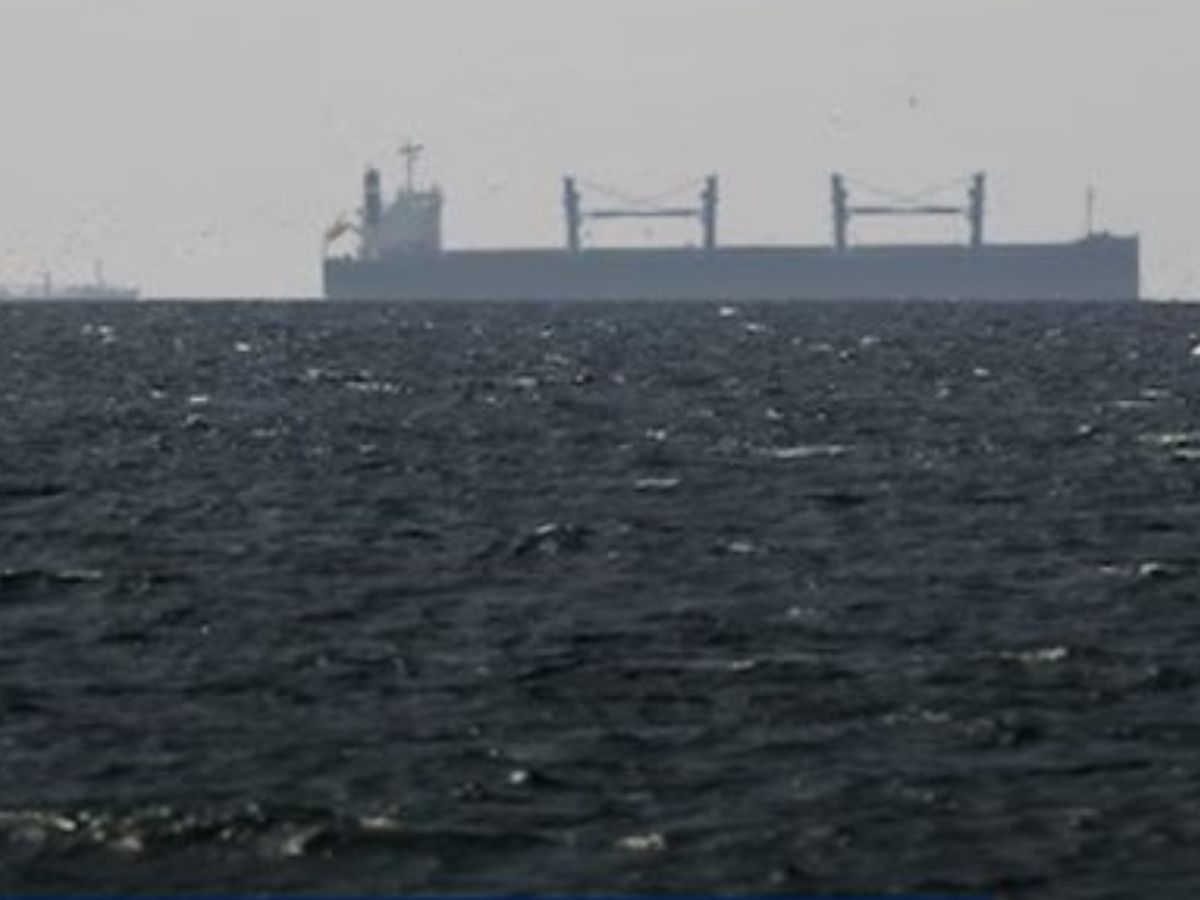
Iranian officials claim the country is now charging vessels up to $2 million to pass through the strategic Strait of Hormuz, a crucial maritime chokepoint through which approximately 20% of the world’s oil supply travels daily.
According to Iranian parliament member Alaeddin Boroujerdi, the government has implemented transit fees on ships passing through the strait as part of what he described as a new “sovereign regime” for managing the waterway. “Now, because war has costs, naturally, we must do this and take transit fees from ships passing through the Strait of Hormuz,” Boroujerdi stated.
However, maritime security experts suggest the reported $2 million figure likely represents risk management and negotiation costs rather than a formally established toll. These costs may include increased insurance premiums, security measures, and other expenses associated with navigating through what has effectively become a conflict zone.
The situation has intensified following a direct exchange of threats between Washington and Tehran. U.S. President Donald Trump issued a 48-hour ultimatum demanding Iran “fully open” the strait or face military consequences. “If Iran doesn’t FULLY OPEN, WITHOUT THREAT, the Strait of Hormuz, within 48 HOURS from this exact point in time, the United States of America will hit and obliterate their various POWER PLANTS, STARTING WITH THE BIGGEST ONE FIRST!” Trump declared.
Iranian President Masoud Pezeshkian responded defiantly, stating that “the illusion of erasing Iran from the map shows desperation against the will of a history-making nation.” He affirmed that the strait remains open to all vessels except those that “trespass on Iranian land” and warned that Iran would confront any threats “on the battlefield.”
The Iranian government has also threatened to target U.S. and Israeli energy infrastructure, information technology systems, and desalination facilities if attacked.
Despite the heightened tensions, some vessels, including those bound for Indian ports, have successfully navigated the strait. However, numerous ships remain delayed as shipping companies assess the risks of passage through the contested waterway.
The ongoing crisis has significant implications for global energy markets, with Brent crude trading at approximately $112 per barrel and U.S. West Texas Intermediate at around $98. Energy analysts warn that continued disruption to shipping in the region could push prices to $120 per barrel or higher.
The economic impact extends beyond oil prices. Global supply chains, already strained by various factors in recent years, now face additional pressure as shipping companies must decide whether to risk the strait or reroute vessels around the Arabian Peninsula—adding significant time and cost to voyages between Europe and Asia.
Maritime security experts point out that the current situation represents one of the most severe threats to global oil transport since the tanker wars of the 1980s during the Iran-Iraq conflict. The daily disruption to oil production has already surpassed levels seen during major oil shocks of the 1970s, according to industry analysts.
The Strait of Hormuz, only 21 miles wide at its narrowest point, has long been recognized as a potential flashpoint in Middle Eastern geopolitics. With Iran claiming territorial control over the northern portion of the strait and threatening to restrict passage, international maritime law and freedom of navigation principles are being directly challenged.
As diplomatic efforts continue behind the scenes, shipping companies, energy markets, and global consumers remain on edge, watching for any signals of either escalation or de-escalation in this critical maritime corridor.
Fact Checker
Verify the accuracy of this article using The Disinformation Commission analysis and real-time sources.

7 Comments
I’m curious to learn more about the specifics of this alleged $2 million Strait of Hormuz toll. Is it an officially sanctioned fee, or more of an ad-hoc charge related to risk and security costs? Clarity on the details would help assess the potential impact on global trade.
If Iran is indeed levying hefty transit fees in the Strait of Hormuz, that could have significant implications for global energy markets and trade flows. However, the accuracy of the $2 million figure seems questionable and may reflect risk management costs rather than an outright toll.
The strategic importance of the Strait of Hormuz can’t be overstated, as it’s a crucial chokepoint for global oil shipments. Iran flexing its muscle by potentially imposing new transit fees is certainly a development worth watching closely in the midst of heightened tensions.
While the $2 million figure seems high, it’s understandable that Iran would seek to exert more control and potentially levy fees over the strategic Strait of Hormuz given the ongoing geopolitical tensions. The situation bears close monitoring for potential impacts on global energy and trade.
Iran’s alleged $2 million Strait of Hormuz toll is a concerning development, though the details remain murky. Clarity is needed on whether this represents an official government-sanctioned fee or simply reflects the high costs of navigating the area amid heightened security risks.
Interesting development in the Strait of Hormuz tensions. The reported $2 million toll seems quite high, though maritime security costs could certainly be elevated in the region. It will be important to get more clarity on the specifics of these alleged fees.
The reported $2 million fee for ships passing through the Strait of Hormuz is certainly eye-catching, but maritime experts suggest it may be more reflective of increased insurance and security expenses rather than a formal toll. Still, tensions in the region remain high.