


Listen to the article
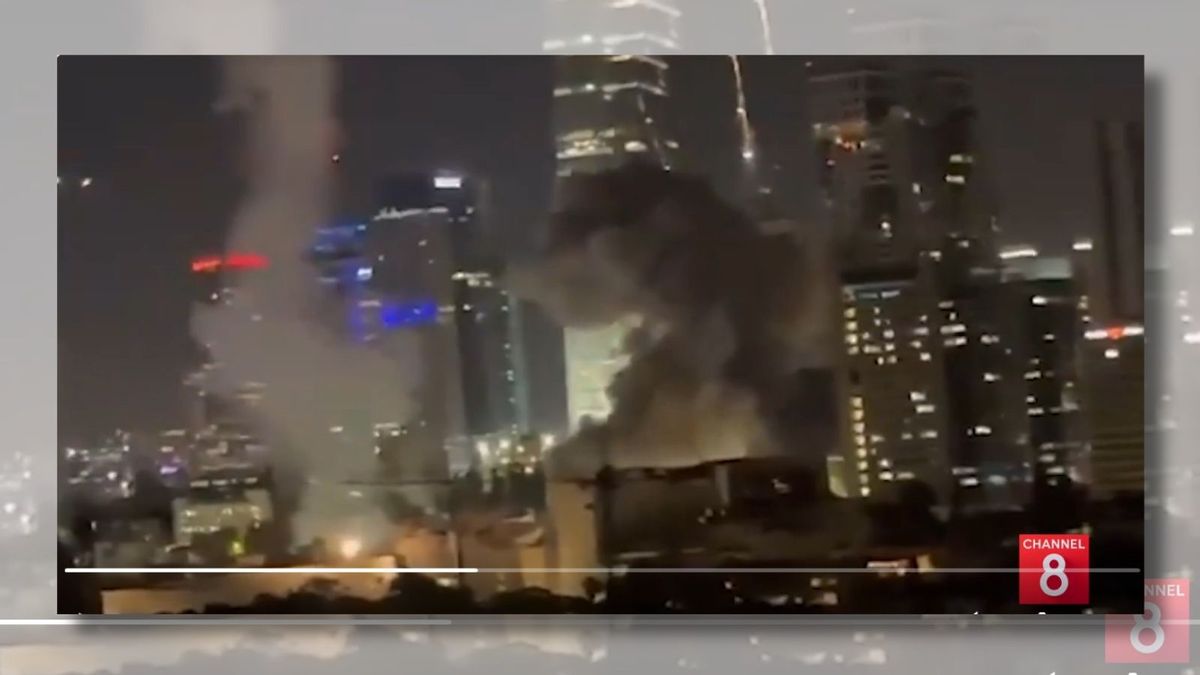
In a case of digital misinformation spreading amid ongoing tensions in the Middle East, footage circulating on social media purportedly showing Iranian missiles striking Tel Aviv in March 2026 has been verified as misleading. The video, which has gained significant traction online, actually depicts events from the twelve-day war between Iran and Israel that occurred in June 2025.
The miscaptioned footage has been shared widely with dramatic claims such as “Tel Aviv is burning! Direct Iranian missile strikes captured on camera in the center of the city!” However, fact-checking efforts have conclusively determined that these videos show missile strikes from nearly a year earlier.
Digital forensic analysis using Google’s reverse image search tool traced the footage back to June 13, 2025, during a brief but intense conflict between the two regional powers. The authenticity of the footage itself is not in question—only its temporal context has been misrepresented.
Visual verification conducted by comparing the viral clip with authenticated footage from Al Jazeera English and The Associated Press from June 2025 confirms they show the same incident. The distinctive blue and red lighting on buildings visible in both videos, along with the trajectory of projectiles entering and leaving the frame, provide clear visual markers establishing that these recordings document the same event.
The current conflict between Iran, Israel, and the United States has indeed seen significant escalation in early 2026. On February 28, the U.S. and Israel initiated a major offensive against Iran, targeting military installations and reportedly killing Supreme Leader Ayatollah Ali Khamenei. In response, Iran launched missile strikes against Tel Aviv in early March, after Israel had commenced operations in Lebanon.
While Iranian missiles did strike Tel Aviv in March 2026, those attacks were separate incidents from what is shown in the circulating video. According to The Guardian, Israeli emergency services reported no injuries from the actual March 2026 strikes, which were documented in separate footage.
The miscaptioned content emerges during a particularly volatile period in Middle Eastern geopolitics. The ongoing 2026 conflict represents a significant escalation from previous tensions, with direct U.S. military involvement and high-profile targeting of Iranian leadership drawing international concern about wider regional instability.
This instance of misinformation highlights the challenges of verifying visual content during fast-developing international crises. Social media platforms have become battlegrounds for information warfare, with authentic footage frequently repurposed out of context to support particular narratives or simply generate engagement through sensationalism.
Media organizations and fact-checking services have increased their digital verification capabilities in response to these challenges. Techniques including reverse image searching, comparative visual analysis, and geolocation have become essential tools for journalists covering international conflicts.
For civilians in conflict zones and concerned observers worldwide, the ability to distinguish between current and past events remains crucial for understanding the actual situation on the ground. Misleading visual information can contribute to heightened anxieties and complicate diplomatic efforts aimed at de-escalation.
As the conflict continues to develop, media literacy experts urge viewers to approach dramatic footage with skepticism, verify information through multiple reliable sources, and be particularly cautious of content claiming to show breaking news from active conflict zones.
Fact Checker
Verify the accuracy of this article using The Disinformation Commission analysis and real-time sources.

5 Comments
This is a concerning example of misinformation spreading online. It’s important we verify the facts before jumping to conclusions about such sensitive geopolitical events. I appreciate the thorough fact-checking to trace the origins of this footage – it’s a good reminder to be cautious about viral claims, even when the visuals seem authentic.
This just goes to show how easily misinformation can spread on social media, even when the footage seems legitimate. I appreciate the in-depth investigation to trace the origins and set the record straight. Rigorous fact-checking is so important these days.
The forensic analysis to pinpoint the actual date of this footage is impressive. Misinformation can be so damaging, especially around high-stakes geopolitical events. I’m glad the experts were able to conclusively debunk the false claims and provide the accurate context.
This is a sobering example of how misinformation can hijack the narrative, even when the underlying visuals are authentic. I’m glad the experts were able to conclusively trace the footage back to the earlier conflict and provide the proper context. Rigorous fact-checking is essential.
Hmm, interesting that this video is from over a year earlier, not the recent conflict. Verifying the timeline and sources is crucial to avoid exacerbating tensions. Fact-checking efforts like this help provide clarity amidst the fog of information warfare.