


Listen to the article
Viral Iran Missile Video Debunked as Unrelated to Current Middle East Tensions
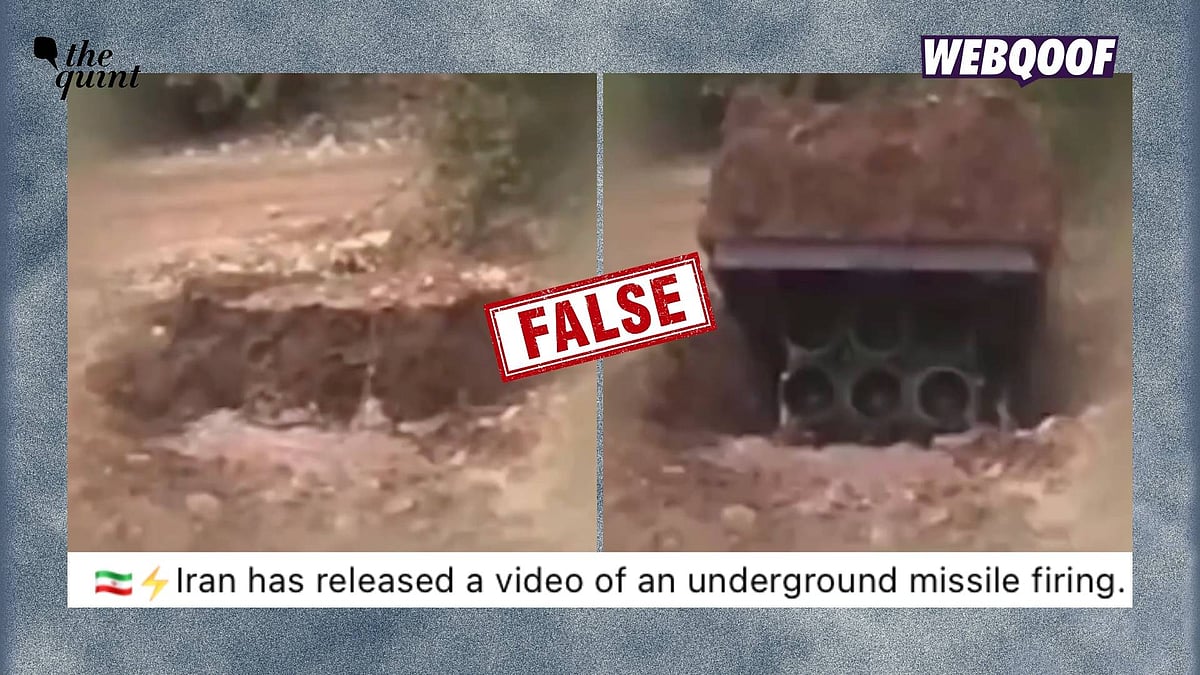
A deceptive video purporting to show Iranian underground missile capabilities has gained significant traction across social media platforms as tensions continue to escalate between Iran, Israel, and the United States.
The brief clip, which depicts military equipment emerging from underground installations, has been shared thousands of times with captions claiming it represents “Iran releasing video of an underground missile firing” in connection with the current conflict.
However, fact-checking reveals the video has no relation to Iran or the ongoing hostilities in the Middle East. The footage predates the current situation and has been misleadingly repurposed to suggest recent military developments.
Digital forensics experts have confirmed that the video has been circulating online well before the recent escalation between Iran and Israel. The misleading attribution appears designed to capitalize on heightened public interest in military capabilities amid growing concerns of a wider regional conflict.
This instance of misinformation comes during a particularly volatile period in the Middle East, where accurate information is crucial for public understanding. Following Israel’s strikes against Iranian targets in April, and Iran’s ballistic missile response to earlier Israeli actions, the information landscape has become increasingly cluttered with both authentic and fabricated content.
Media literacy advocates point to this case as a classic example of context manipulation – where genuine footage is divorced from its original setting and presented with false framing to create misleading narratives. The practice has become increasingly common during international conflicts, with social media algorithms often amplifying sensational content regardless of its accuracy.
“During times of international tension, we typically see a surge in repurposed military footage being presented as current events,” explains Dr. Hannah Reynolds, a digital misinformation researcher at Columbia University. “This creates a distorted perception of developing situations and can contribute to public anxiety or misunderstanding about military capabilities and intentions.”
The spread of such misinformation comes as legitimate concerns about military preparedness in the region have intensified. Iran does indeed possess an extensive underground missile network, which has been featured in authentic state media broadcasts over the years. The country’s Revolutionary Guard Corps has previously released footage of actual underground missile facilities as demonstrations of strength.
Military analysts note that Iran’s genuine underground missile capabilities represent a significant component of its asymmetric warfare strategy, designed to protect key assets from potential airstrikes. These facilities are scattered across mountainous regions and are considered a central element of Iran’s deterrence posture.
Meanwhile, social media platforms continue to struggle with the rapid proliferation of misleading content during international crises. Despite improved detection systems and fact-checking partnerships, decontextualized and manipulated media often reaches millions before corrections can gain traction.
Users are encouraged to exercise caution when encountering dramatic military footage, particularly when it appears in connection with breaking news events. Verification techniques include reverse image searching, checking dates of first appearance online, and consulting established news sources before sharing potentially misleading content.
As diplomatic efforts continue to prevent further escalation in the Middle East, the information environment surrounding the conflict remains vulnerable to manipulation. This incident serves as a reminder of how easily misinformation can spread during periods of international tension, potentially complicating public understanding of already complex geopolitical developments.
Fact Checker
Verify the accuracy of this article using The Disinformation Commission analysis and real-time sources.

5 Comments
It’s concerning to see old footage being misrepresented as current events, especially during such a delicate geopolitical situation. Fact-checking is crucial to avoid spreading misinformation and stoking unnecessary tensions.
You’re right, we should be very cautious about the sources and context of any military-related footage circulating online, especially when tensions are high. Verifying information is so important.
This is a good reminder to approach viral videos and claims with a critical eye, even if they seem to align with current events. Responsible reporting and fact-checking are essential to combat the spread of misinformation.
Absolutely. In times of crisis, it’s all too easy for old or unrelated footage to be repurposed and amplified. Maintaining journalistic integrity and verifying sources should be the top priority.
Disinformation can be a powerful tool for sowing confusion and escalating conflicts. I’m glad to see this misleading video being debunked. Fact-checking and transparency are crucial for informing the public accurately.