


Listen to the article
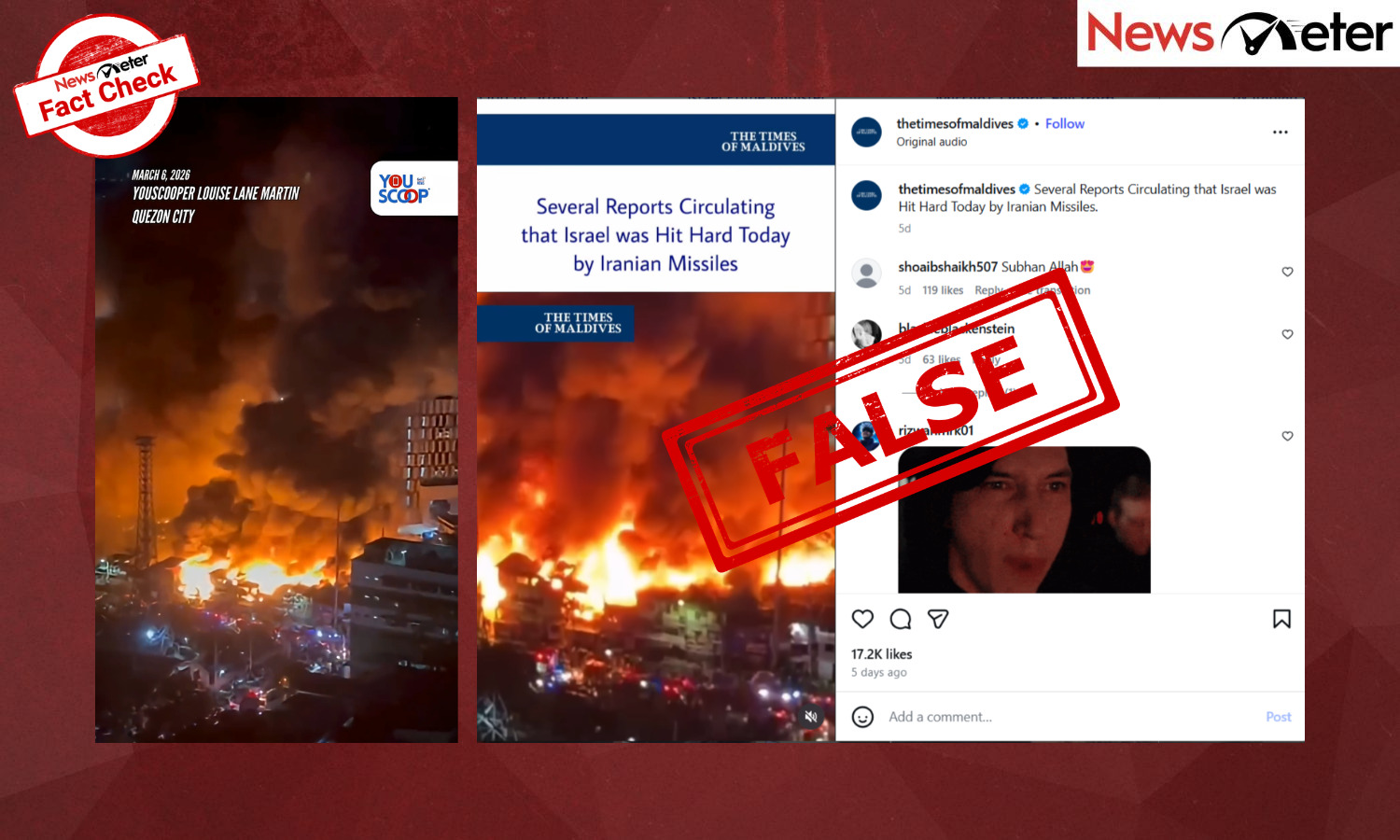
In the chaotic aftermath of recent tensions between Iran and Israel, a misleading video has circulated widely across social media platforms, allegedly showing buildings in Tel Aviv engulfed in flames following Iranian missile strikes. However, fact-checkers have determined the footage shows an entirely different incident in the Philippines from March this year.
The dramatic footage, which depicts a row of buildings consumed by massive flames with thick smoke billowing skyward, was shared by numerous accounts amid heightened Middle East tensions. One Instagram user captioned their post: “Several Reports Circulating that Israel was Hit Hard Today by Iranian Missiles,” suggesting the video represented direct evidence of successful Iranian attacks on Israeli territory.
The timing of the video’s circulation coincided with legitimate reports of escalating hostilities between Iran and Israel. A March 7 Reuters report documented a concerning escalation in the conflict, with both nations targeting critical energy infrastructure across the region. This context likely contributed to the rapid spread of the unverified footage.
However, an investigation by NewsMeter Network revealed the video’s actual origins. Through reverse image searches using Google Lens, fact-checkers matched the viral footage to videos published by Philippine media outlet GMA News on March 7. Side-by-side comparisons confirmed the videos showed the same incident, with identifying landmarks—including a distinctive tower on the left side and a specific building configuration on the right—appearing consistently in both the viral clip and verified Philippine footage.
The actual incident captured in the video was a devastating fire that occurred on March 6 in Quezon City, Philippines. According to GMA News Online reporting, the blaze tore through a densely populated residential area along NIA Road in Barangay Pinyahan. The fire, which spread rapidly through structures largely constructed of lightweight materials, resulted in one fatality and displaced more than 4,000 families who lost their homes.
This misrepresentation highlights a troubling pattern in crisis reporting, where footage from unrelated disasters is repurposed to support narratives about current conflicts. The practice has become increasingly common in the digital age, with social media algorithms often amplifying sensational content regardless of its accuracy.
The Iran-Israel conflict has been particularly susceptible to such misinformation. As tensions rise between the two regional powers, social media has become flooded with unverified footage, doctored images, and misleading claims designed to either exaggerate or downplay military actions on both sides.
Media literacy experts emphasize the importance of verification before sharing dramatic footage, especially during active conflicts. Simple verification steps—such as reverse image searches, checking credible news sources, and looking for consistent reporting across multiple outlets—can help prevent the spread of misinformation during sensitive geopolitical moments.
While legitimate military exchanges have occurred between Iran and Israel, this particular video does not document those events. Instead, it captures an unrelated tragedy affecting thousands of Filipino families—a disaster that deserves accurate reporting in its own right rather than being misappropriated as evidence in an unrelated conflict.
The incident serves as a reminder that in the rapid-fire world of social media sharing, images of human suffering are frequently taken out of context, potentially distorting public understanding of global events and distracting from the actual developments in conflict zones.
Fact Checker
Verify the accuracy of this article using The Disinformation Commission analysis and real-time sources.

10 Comments
Interesting that this footage was falsely linked to the Israel-Iran conflict. Fact-checking is crucial to avoid the spread of misinformation, even during tense geopolitical situations.
You’re right, it’s important to verify sources and not jump to conclusions. This serves as a good reminder to be cautious about unverified claims, especially related to sensitive events.
It’s troubling to see how quickly unsubstantiated footage can gain traction online, especially when it plays into existing geopolitical tensions. Kudos to the fact-checkers for setting the record straight.
You’re right, this serves as a stark reminder of the need for heightened media literacy and a commitment to verifying information before sharing or acting upon it. Fact-checking is vital in today’s digital landscape.
It’s concerning how quickly unverified footage can spread on social media, especially when it plays into existing tensions. Kudos to the fact-checkers for setting the record straight on the real origin of this video.
Agreed. The speed at which misinformation can travel online highlights the need for robust verification processes and media literacy education to combat the spread of false narratives.
The misattribution of this video is a prime example of how easily disinformation can take hold, especially during heightened geopolitical situations. Fact-checking is crucial to maintaining an informed public discourse.
Well said. Responsible reporting and a commitment to verifying sources are essential to upholding journalistic integrity and preventing the proliferation of false narratives.
This incident highlights the importance of critical thinking and scrutinizing information, even when it seems to align with current events. Fact-checking prevents the spread of harmful misinformation.
Absolutely. In an age of information overload, developing the skills to identify and resist the influence of unverified claims is a crucial civic responsibility.