


Listen to the article
Iranian Supreme Leader Ayatollah Ali Khamenei made a public appearance Sunday, dispelling rumors of his death that had circulated widely on social media following Israel’s retaliatory strikes against Iran over the weekend.
The 85-year-old leader was shown on state television attending a religious ceremony for the Islamic holiday of Arbaeen in Tehran, effectively countering claims that had gained traction across multiple platforms in the aftermath of Israel’s military operation.
The rumors began shortly after Israel conducted precision strikes against military targets in Iran early Saturday, targeting missile production facilities and air defense systems. The operation was described by Israeli officials as a response to Iran’s ballistic missile attack on Israel on October 1.
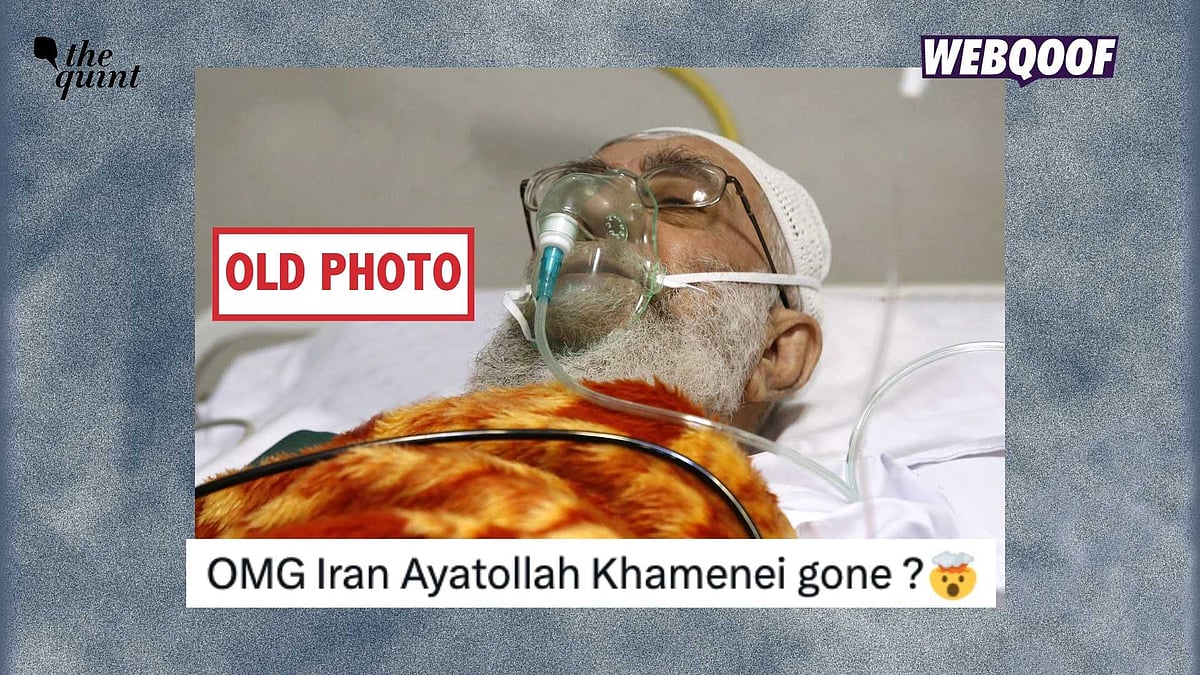
As news of the strikes broke, social media was flooded with unverified images purportedly showing Khamenei’s body, with claims that the Supreme Leader had been killed in the Israeli operation. One particularly viral image showed what appeared to be a deceased elderly man with facial features resembling Khamenei.
Fact-checking organizations quickly determined the image was digitally altered. Analysis revealed the photo was a composite created using artificial intelligence, combining elements from older photographs of Khamenei with generic images of deceased individuals. Technical inconsistencies in the lighting, shadows, and proportions confirmed the manipulation.
“This is a classic example of crisis misinformation,” said Dr. Emilia Serrano, a digital forensics expert at the Center for Information Integrity. “During geopolitical escalations, we often see a surge in fabricated content designed to create confusion or influence public perception about key figures.”
The Iranian government initially responded to the rumors by calling them “desperate psychological warfare” before Khamenei’s public appearance definitively put them to rest. Foreign Ministry spokesman Nasser Kanaani condemned the spread of false information, describing it as “an extension of the enemy’s failed military aggression.”
This incident highlights the increasingly complex information landscape surrounding Middle East conflicts, where social media can rapidly amplify unverified claims during moments of heightened tension.
The Israeli strikes, which targeted three military facilities in Tehran, Isfahan, and Khuzestan provinces, marked a significant escalation in the ongoing conflict between Israel and Iran. Unlike previous operations, these strikes hit targets deep within Iranian territory, though Israeli officials emphasized they deliberately avoided striking oil installations or nuclear facilities.
Regional analysts note that the spread of misinformation about Khamenei’s status reflects the high stakes of the current confrontation. “Both sides understand the symbolic importance of leadership figures,” explained Dr. Reza Marashi, a Middle East security analyst. “Creating uncertainty about command structures can be a strategic objective in itself during conflicts.”
Iran’s Islamic Revolutionary Guard Corps has vowed to respond to the Israeli strikes, though the nature and timing of any potential retaliation remain unclear. Meanwhile, diplomatic efforts to prevent further escalation have intensified, with several countries, including Qatar and Oman, offering to mediate.
The false claims about Khamenei’s death are part of a broader pattern of misinformation that has characterized the Israel-Iran conflict. Similar rumors circulated after previous military exchanges, including unverified reports about casualties and damage assessments that were later debunked.
Media literacy experts emphasize the importance of verifying information during international crises. “Consumers should be particularly cautious about dramatic claims during military operations,” said Maya Levine, director of the Digital Media Literacy Institute. “Waiting for confirmation from multiple credible sources is essential before accepting or sharing potentially false information.”
As tensions remain high across the region, officials from both countries have continued to make public appearances, partly to demonstrate continuity of leadership amid the uncertainty of conflict. Khamenei’s appearance at the religious ceremony not only disproved the death rumors but also signaled Iran’s attempt to project stability despite the military strikes on its territory.
Fact Checker
Verify the accuracy of this article using The Disinformation Commission analysis and real-time sources.

20 Comments
Interesting update on Iran Strike Photo Falsely Claims to Show Khamenei’s Body, Investigation Finds. Curious how the grades will trend next quarter.
Good point. Watching costs and grades closely.
I like the balance sheet here—less leverage than peers.
Good point. Watching costs and grades closely.
Silver leverage is strong here; beta cuts both ways though.
Good point. Watching costs and grades closely.
Interesting update on Iran Strike Photo Falsely Claims to Show Khamenei’s Body, Investigation Finds. Curious how the grades will trend next quarter.
Good point. Watching costs and grades closely.
Good point. Watching costs and grades closely.
The cost guidance is better than expected. If they deliver, the stock could rerate.
Good point. Watching costs and grades closely.
Good point. Watching costs and grades closely.
Exploration results look promising, but permitting will be the key risk.
Good point. Watching costs and grades closely.
Uranium names keep pushing higher—supply still tight into 2026.
Good point. Watching costs and grades closely.
Production mix shifting toward Fact Check might help margins if metals stay firm.
Good point. Watching costs and grades closely.
Good point. Watching costs and grades closely.
Exploration results look promising, but permitting will be the key risk.