


Listen to the article
False Video Claims to Show Iranian Strikes on Dubai, Investigation Reveals
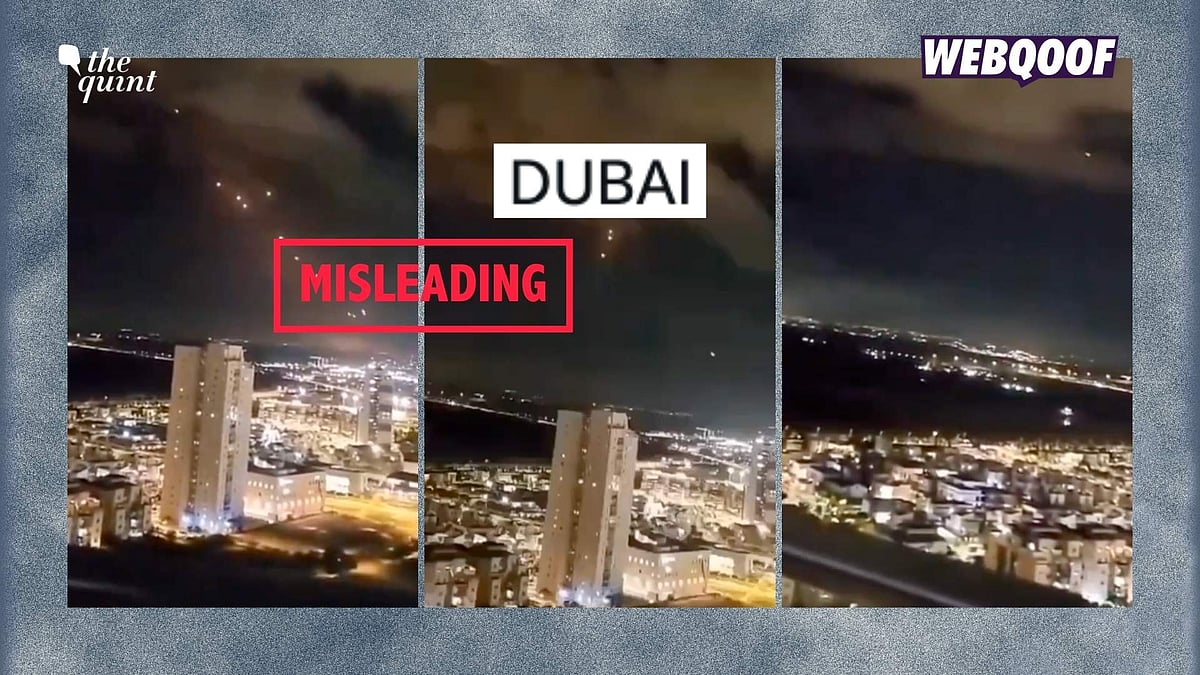
A video circulating on social media allegedly showing Iranian missile strikes on Dubai has been debunked as false. Fact-checking efforts reveal the footage predates the recent escalation in Middle East tensions and has been repeatedly misattributed during various conflicts.
Through a reverse image search of a frame from the video, fact-checkers at The Quint discovered the footage had been shared previously without proper context. The same video appeared on Facebook as early as October 2, 2024, well before the current hostilities.
While The Quint could not definitively establish the original context or location of the footage, their investigation conclusively determined that it does not depict the recent Iranian missile strikes targeting Dubai or other Gulf states.
This marks the second time this particular video has been misappropriated during regional conflicts. The Quint had previously debunked identical claims in 2025 when the footage was falsely presented as showing Iranian attacks on Tel Aviv, Israel.
The actual Iranian strikes, which occurred in response to the killing of Iran’s Supreme Leader Ayatollah Ali Khamenei by Israeli and U.S. forces, did target several locations across Gulf Arab states. Military bases in Dubai, Bahrain, Abu Dhabi, Kuwait, Qatar, and Kurdistan in Iraq were among those hit, according to multiple reports.
The strikes reportedly caused damage to significant infrastructure in Dubai, including the international airport and the iconic Burj Al Arab hotel, though independent verification of the extent of destruction remains challenging amid the fog of conflict.
These attacks represent a significant escalation in the ongoing regional tensions, coming directly after the assassination of Khamenei, one of the most powerful figures in the Middle East. The killing of Iran’s Supreme Leader has sent shockwaves throughout the region and beyond.
In India, the impact of these events was felt as residents in Srinagar took to the streets to mourn Khamenei’s death, highlighting the global reverberations of the conflict and Iran’s influence beyond its borders.
The misattribution of old footage to current conflicts exemplifies the challenges of information verification during fast-developing international crises. Social media platforms become fertile ground for misinformation as users rush to share dramatic content, often without verifying its authenticity or origin.
This pattern of recycling unrelated footage during conflicts has become increasingly common in the digital age, with old videos frequently repurposed to fit new narratives or to generate engagement through sensationalism.
Media literacy experts emphasize the importance of critically evaluating visual content shared during conflicts, particularly checking publication dates, source credibility, and looking for official verification before accepting videos as authentic documentation of current events.
For those encountering suspicious or unverified information online, fact-checking organizations like The Quint offer verification services where readers can submit questionable content for professional review via email or dedicated platforms.
As tensions continue to unfold in the Middle East, the need for accurate information becomes ever more critical, with misinformation potentially contributing to increased fear, misunderstanding, or even further escalation of conflicts.
Fact Checker
Verify the accuracy of this article using The Disinformation Commission analysis and real-time sources.

7 Comments
Interesting to see fact-checkers debunk this old video being misattributed again. It’s important to verify claims and not spread misinformation, especially during tense geopolitical situations.
The ability to quickly reverse-image search and trace the origins of this video is a valuable tool in the fight against the spread of misinformation. Kudos to the fact-checkers for their diligence.
Yes, modern fact-checking techniques are crucial in an age where false narratives can spread rapidly online. It’s heartening to see the effort put into debunking this particular piece of misinformation.
This is a good reminder to be cautious about viral videos and claims, especially related to sensitive geopolitical events. Fact-checking is essential to avoid falling for manipulated or outdated footage.
It’s disheartening to see this old footage being repurposed and misattributed, but I’m glad the fact-checkers were able to set the record straight. Maintaining accuracy is vital, especially around sensitive topics.
I appreciate the thorough investigation to determine the true context and origins of this footage. Fact-checking is crucial to counter the spread of false narratives, even if they seem plausible at first glance.
Agreed. Jumping to conclusions without verifying the facts can lead to the further dissemination of disinformation, which helps no one. Kudos to the fact-checkers for setting the record straight.