


Listen to the article
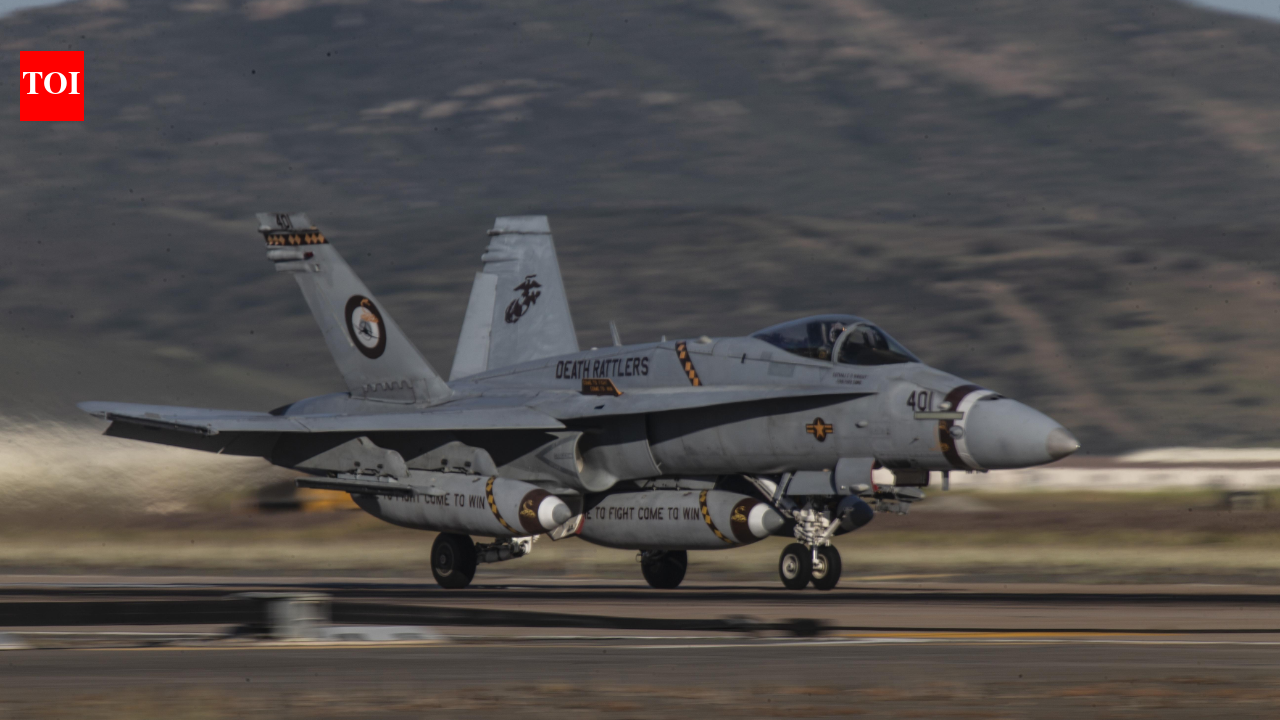
U.S. Central Command has firmly denied Iranian claims of shooting down an American fighter jet over the port city of Chabahar, marking the latest exchange in escalating tensions between the two nations.
“No US fighter aircraft have been shot down by Iran,” CENTCOM stated Wednesday on social media platform X, directly countering reports circulating from Iranian state media. The military command, which oversees American operations throughout the Middle East, categorically dismissed the claims as “false.”
The controversy began when Iran’s state-affiliated Press TV shared video footage allegedly showing what they claimed was a U.S. F-18 fighter jet being “successfully targeted” by Iran’s Islamic Revolutionary Guard Corps (IRGC). The video purportedly depicts an aircraft crashing near Chabahar, a strategic Iranian port city on the Gulf of Oman.
Military analysts note that such claims often emerge during periods of heightened tensions, sometimes as propaganda or misinformation. The alleged incident comes amid increasingly complex military dynamics in the region, with ongoing conflicts involving U.S.-backed Israeli operations and Iranian-supported proxies across multiple fronts.
The disputed fighter jet claim follows Iran’s rejection of a proposed U.S. ceasefire plan. According to Iranian sources, Tehran dismissed a reported 15-point American proposal, insisting that any truce would occur only on Iran’s “own terms and timeline.”
“Iran will end the war when it decides to, not when Trump envisions its conclusion,” a senior Iranian official told Press TV, referencing former President Donald Trump despite the Biden administration currently handling U.S. foreign policy in the region.
Iran has outlined several conditions for de-escalation, including a complete cessation of attacks, guarantees against future military actions, financial compensation for war damages, an end to hostilities across all regional fronts, and international recognition of Iranian sovereignty over the strategic Strait of Hormuz.
The Strait of Hormuz represents a particularly significant point of contention, as approximately 20% of global oil shipments pass through this narrow waterway between Iran and Oman. Any disruption to maritime traffic in this chokepoint could have profound implications for global energy markets and economic stability.
This latest incident reflects the volatile state of U.S.-Iran relations, which have deteriorated significantly since the U.S. withdrawal from the Iran nuclear deal in 2018. The subsequent reimposition of sanctions has severely impacted Iran’s economy while pushing the country to advance its nuclear program and strengthen ties with Russia and China.
Regional security experts warn that false claims and misinterpretations of military engagements could potentially trigger unintended escalations between the nuclear-armed United States and Iran, which maintains significant conventional military capabilities and proxy forces throughout the Middle East.
The Pentagon has maintained that U.S. naval and air forces continue routine operations in the region to ensure freedom of navigation and protect international shipping lanes. Meanwhile, American military assets remain positioned to defend U.S. interests and allies against potential Iranian aggression.
As both nations continue to posture militarily, diplomatic channels reportedly remain open through intermediaries, though substantial progress toward de-escalation appears elusive at present. The European Union and other international stakeholders continue urging restraint from all parties involved in the increasingly complex regional dynamics.
Oil markets have responded with cautious volatility to these developments, with prices fluctuating as traders assess the potential for wider conflict that could disrupt critical energy infrastructure and shipping routes throughout the Persian Gulf region.
Fact Checker
Verify the accuracy of this article using The Disinformation Commission analysis and real-time sources.

13 Comments
This incident highlights the delicate and often unpredictable nature of the geopolitical situation in the Middle East. I hope the relevant authorities can work to establish the facts and find a diplomatic solution to this dispute.
Given the high stakes involved, it’s essential that both the US and Iran provide clear and transparent evidence to support their respective claims. Objective reporting and diplomatic solutions are key to resolving this dispute.
Absolutely. Unverified claims and posturing could lead to further conflict, which would be deeply concerning. I hope cooler heads prevail and this can be resolved peacefully.
This is a complex and sensitive situation that requires a measured and objective approach from all sides. I hope the authorities can work to verify the facts and find a peaceful resolution through diplomatic channels.
As an observer, I’m curious to see how this dispute unfolds. It’s important that all parties involved approach this matter objectively and avoid escalating the situation through unverified claims.
The military dynamics in the Middle East are incredibly complex, and it’s crucial that information is carefully verified before making definitive statements. I hope the relevant authorities can work to establish the facts and de-escalate tensions.
It’s troubling to see such conflicting accounts of this incident. Careful verification of information and a commitment to de-escalation are crucial to preventing further tensions in the region.
I agree. Both sides should provide clear evidence to support their claims and engage in constructive dialogue to find a peaceful resolution.
Interesting developments in the ongoing tensions between the US and Iran. Given the conflicting accounts, it’s hard to say for sure what happened. I hope this can be resolved diplomatically without further escalation.
Yes, the military dynamics in the region are highly complex. Caution and careful verification of information is crucial to avoid misunderstandings or potential conflicts.
As an observer, I’m concerned about the potential for this dispute to escalate. I hope the relevant parties can work together to establish the facts and find a diplomatic solution that reduces the risk of further conflict.
This is a concerning incident that could further inflame tensions in the region. Transparent and fact-based reporting is essential to understand the truth of what occurred.
I agree. Both sides should provide clear evidence to support their claims and work towards de-escalating the situation through diplomatic channels.