


Listen to the article
In a significant development concerning maritime security and energy trade, India has reportedly engaged in diplomatic negotiations with Iran to ensure safe passage for its oil and gas tankers through the strategically critical Strait of Hormuz. The discussions come amid rising tensions in the region that have disrupted normal shipping operations.
According to BBC reporting, Indian diplomatic efforts have yielded limited protection for some of its energy vessels traveling through the strait, providing temporary relief for the country’s immediate energy concerns. The diplomatic channel established between New Delhi and Tehran appears to be functioning amid the complex geopolitical environment in the Persian Gulf.
The Strait of Hormuz, a narrow waterway separating Iran and Oman, serves as a critical chokepoint for global energy transportation. Approximately 20 percent of the world’s oil supply passes through this strait, making its security vital for energy markets and global economic stability.
Despite these diplomatic arrangements, navigation through the waterway remains extremely dangerous. Most shipping operations continue to face significant disruptions due to ongoing attacks in the region. Shipping companies have been forced to reroute vessels, leading to longer transit times and increased costs for global energy transportation.
In a related incident highlighting the dangers in the region, the Hindustan Times reported that a Thailand-flagged carrier named “Mayuree Naree,” which was bound for India, was struck in the volatile waters. This attack underscores the continued risks faced by commercial vessels traversing the area, even as diplomatic efforts attempt to create safer corridors.
The situation has significant implications for India’s energy security. As one of the world’s largest oil importers, India relies heavily on stable maritime routes for its energy supplies. Disruptions in the Strait of Hormuz directly impact India’s economy through potential supply shortages and price fluctuations in domestic energy markets.
Energy security experts note that while diplomatic arrangements may provide temporary relief, long-term solutions will require broader international cooperation to ensure maritime security in the region. The current situation has already contributed to volatility in global oil prices, with markets reacting to each new development in the area.
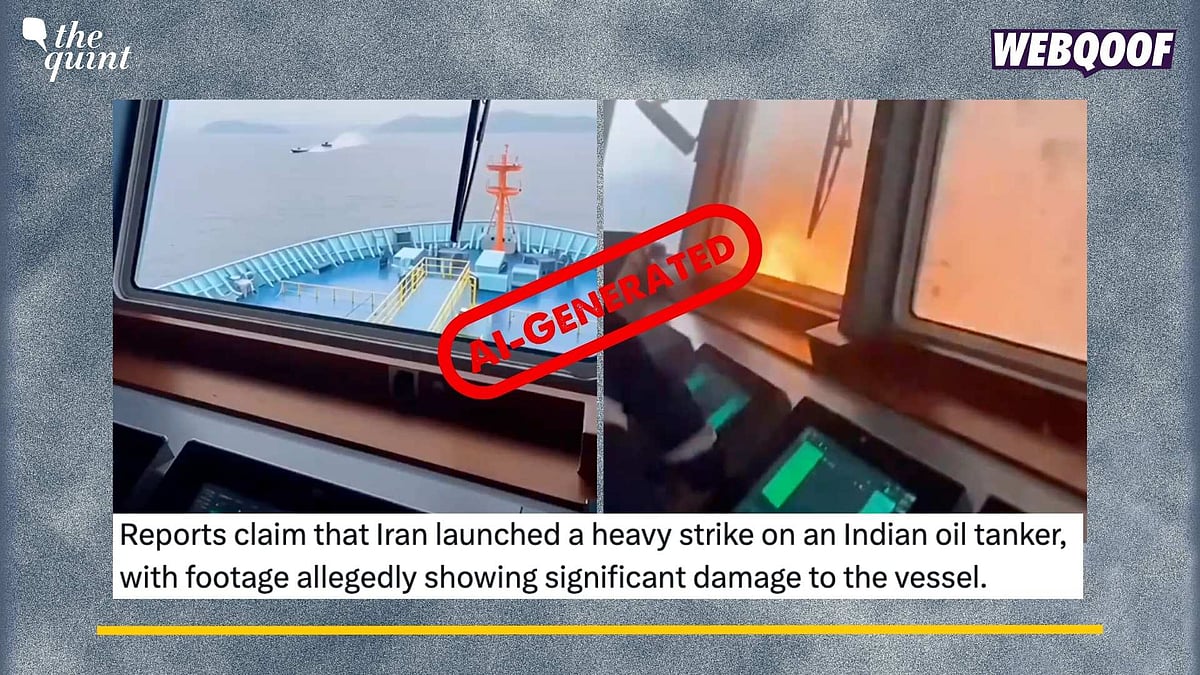
Meanwhile, misinformation regarding the situation has been spreading on social media platforms. A viral video purporting to show developments related to the India-Iran talks has been identified as artificial intelligence-generated content. The Press Information Bureau’s (PIB) fact-check unit has officially debunked this clip, confirming it was created using “AI technology” and does not represent actual events.
Analysts examining the misleading video noted several telltale signs of AI generation, including distorted human figures and other visual anomalies that indicate synthetic creation rather than authentic footage. The rapid spread of this fabricated content highlights the growing challenge of distinguishing between real and AI-generated information during sensitive geopolitical developments.
The situation in the Strait of Hormuz continues to evolve as regional tensions fluctuate. Maritime security observers remain concerned about the potential for escalation that could further threaten this vital shipping route. For India, maintaining open channels with Iran while balancing its broader international relationships presents a complex diplomatic challenge.
As global attention remains focused on developments in the region, shipping companies, energy markets, and governments continue to monitor the situation closely, adjusting strategies to mitigate risks while ensuring continued energy supply chains through one of the world’s most important maritime chokepoints.
Fact Checker
Verify the accuracy of this article using The Disinformation Commission analysis and real-time sources.

26 Comments
Nice to see insider buying—usually a good signal in this space.
Good point. Watching costs and grades closely.
Good point. Watching costs and grades closely.
Exploration results look promising, but permitting will be the key risk.
Good point. Watching costs and grades closely.
Uranium names keep pushing higher—supply still tight into 2026.
Uranium names keep pushing higher—supply still tight into 2026.
Good point. Watching costs and grades closely.
I like the balance sheet here—less leverage than peers.
Good point. Watching costs and grades closely.
Production mix shifting toward Fact Check might help margins if metals stay firm.
Good point. Watching costs and grades closely.
Silver leverage is strong here; beta cuts both ways though.
Good point. Watching costs and grades closely.
The cost guidance is better than expected. If they deliver, the stock could rerate.
Uranium names keep pushing higher—supply still tight into 2026.
Good point. Watching costs and grades closely.
Uranium names keep pushing higher—supply still tight into 2026.
Interesting update on Iran Attack on Indian Oil Tanker Video Confirmed as AI-Generated Footage. Curious how the grades will trend next quarter.
Good point. Watching costs and grades closely.
Uranium names keep pushing higher—supply still tight into 2026.
Good point. Watching costs and grades closely.
If AISC keeps dropping, this becomes investable for me.
Interesting update on Iran Attack on Indian Oil Tanker Video Confirmed as AI-Generated Footage. Curious how the grades will trend next quarter.
Good point. Watching costs and grades closely.
Good point. Watching costs and grades closely.