


Listen to the article
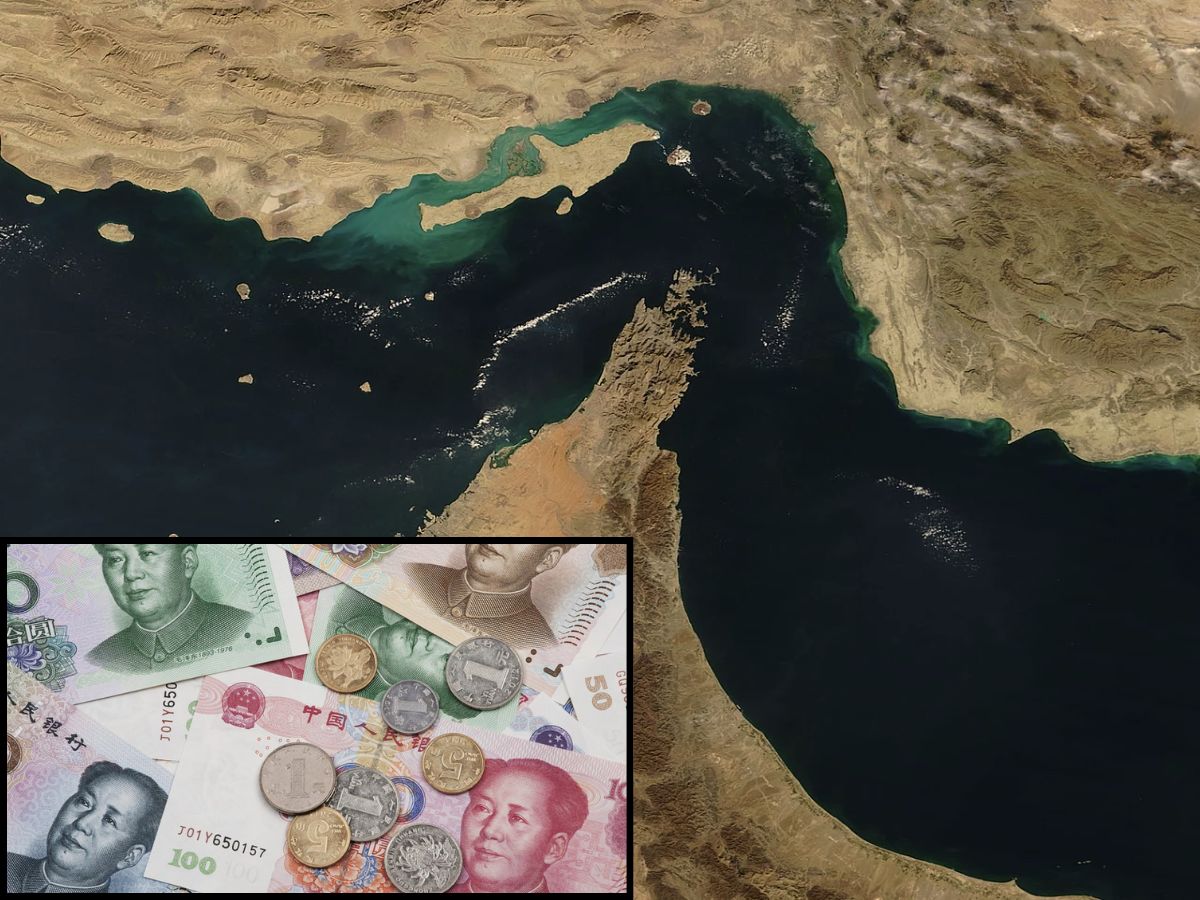
In a swift response to counter misinformation, the Indian government has firmly denied viral claims suggesting that India paid in Chinese Yuan to secure passage for its oil tankers through the strategically vital Strait of Hormuz.
The false narrative, which spread rapidly across social media platforms in recent days, alleged that only nations paying in Chinese currency were being permitted to navigate the crucial maritime chokepoint. The claims emerged amid heightened tensions in West Asia, making them particularly sensitive in the current geopolitical climate.
India’s Ministry of External Affairs (MEA) quickly activated its fact-checking unit to address the misinformation. In a public statement, the MEA declared: “Fake News Alert! Please stay alert against such false and baseless claims and posts on social media!” The ministry emphasized that no such payment arrangement exists or has been implemented.
Security analysts note that the speed of the government’s response highlights the potential impact such claims could have on market confidence and regional stability. The Strait of Hormuz, a narrow waterway between the Persian Gulf and the Gulf of Oman, serves as a critical transit route for approximately one-fifth of the world’s oil supply, making it one of the most important maritime passages globally.
What actually transpired was a routine security operation. Indian-flagged LPG tankers Jag Vasant and Pine Gas successfully navigated the strait under close monitoring by the Indian Navy. These vessels received coordination support due to the sensitive regional situation, following standard security protocols rather than any special payment arrangements.
Maritime security experts point out that the false narrative gained traction partly because it played into existing concerns about changing global financial systems and China’s growing influence in international trade. Some social media posts went so far as to claim that a new payment system was being enforced in the region, adding a veneer of plausibility to the misinformation.
“The rapid spread of this claim demonstrates how quickly unverified information can proliferate during times of geopolitical tension,” said a regional security analyst who requested anonymity. “The narrative hit at the intersection of energy security, currency politics, and regional instability – all hot-button issues that naturally attract attention.”
The false claims appeared designed to suggest a shift in regional power dynamics, implying that China had gained unprecedented leverage over a critical global shipping route. Such a development would have significant implications for international trade and energy markets if true, which helps explain why the story gained such rapid traction.
Energy market observers noted that even brief periods of uncertainty about the Strait of Hormuz can impact global oil prices. The waterway’s strategic importance stems from the fact that tankers carrying crude from Saudi Arabia, Iran, the United Arab Emirates, Kuwait, and Iraq must pass through it to reach open ocean.
This incident underscores the challenges governments face in combating misinformation in an era of instantaneous global communication. The false narrative spread across multiple platforms simultaneously, with some posts referencing unnamed “foreign media outlets” to add perceived credibility.
The Indian government’s prompt intervention serves as a reminder of the importance of official verification channels during times of heightened regional tensions. Authorities continue to monitor the situation closely, both in terms of maritime security and information integrity.
As regional tensions persist, shipping companies and energy markets remain vigilant regarding the actual situation in the Strait of Hormuz, relying on verified information from official sources rather than unsubstantiated claims circulating on social media.
Fact Checker
Verify the accuracy of this article using The Disinformation Commission analysis and real-time sources.

12 Comments
Interesting development. It’s important for governments to be proactive in addressing misinformation, especially on topics that could impact regional stability and trade. Kudos to the Indian MEA for their swift action.
Interesting that the Indian government had to quickly refute this viral claim. It’s important to verify information, especially on sensitive geopolitical issues, before spreading it further.
Yes, the speed of the government’s response highlights how quickly misinformation can spread and impact regional stability. Fact-checking is crucial in these situations.
The Strait of Hormuz is a critical maritime chokepoint, so any claims about payment arrangements for passage would understandably raise concerns. Glad the Indian government addressed this misinformation promptly.
Absolutely. Maintaining transparency and refuting false narratives is important, especially for a strategic waterway like the Strait of Hormuz.
Navigating the Strait of Hormuz is a critical issue for many countries, so any claims about payment arrangements deserve close scrutiny. Good on the Indian government for their prompt response.
Paying in Chinese yuan for Strait of Hormuz passage? That seems highly unlikely and a bit far-fetched. Good on the Indian government for swiftly dispelling this viral claim.
Agreed, the claim seems dubious. The government’s rapid response to correct the misinformation is a responsible approach.
Paying in Chinese yuan to pass through the Strait of Hormuz? That seems like a rather far-fetched claim. I’m glad the Indian government responded swiftly to counter this misinformation.
The Strait of Hormuz is a key strategic chokepoint, so any claims about payment arrangements would understandably raise eyebrows. Glad to see the Indian government quickly refute this viral misinformation.
It’s concerning to see such unverified claims spreading on social media, especially around sensitive geopolitical issues. I’m glad the Indian government took action to address this misinformation.
Yes, the potential impact on market confidence and regional stability highlights the importance of fact-checking before amplifying unsubstantiated narratives.