


Listen to the article
Kentucky Governor Signs Unanimous Bill Supporting Farmers and SNAP Recipients
A new law aimed at bolstering support for both local farmers and families receiving public assistance has been signed by Kentucky Governor Andy Beshear after receiving unanimous approval from state lawmakers.
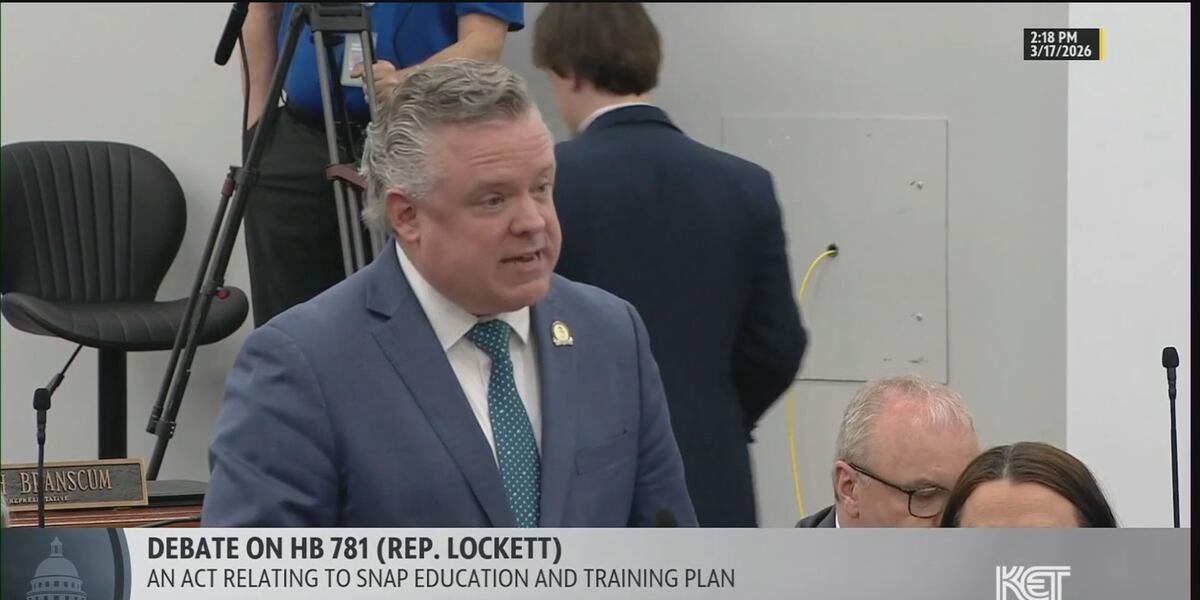
House Bill 781, which passed without a single vote in opposition in both the Kentucky House and Senate, creates a framework to develop initiatives under the Supplemental Nutrition Assistance Program’s (SNAP) Employment and Training state plan.
Representative Matt Lockett, who represents portions of Fayette and Jessamine County and sponsored the legislation, emphasized that the bill requires no state funding. “This uses no state funds and is simply a federal match of private funds,” Lockett explained during last month’s House session just before the bill’s passage.
The legislation directs the Kentucky Cabinet for Health and Family Services to develop and implement several key initiatives under the SNAP Employment and Training state plan. These include job readiness programs, occupational training opportunities, and work-based learning experiences for SNAP recipients.
A significant component of the bill involves the implementation of individualized employment planning for program participants, tailoring assistance to their specific needs and circumstances. The cabinet will also explore ways to incorporate partner-funded programs, particularly those providing incentives to local farmers.
The new law represents a strategic approach to leveraging federal resources. Lockett clarified that the federal government provides matching grants for such programs, effectively multiplying the impact of private investments without requiring additional state budget allocations.
Kentucky’s agricultural sector, which contributes approximately $5.9 billion annually to the state’s economy, stands to benefit from the initiative. The state is home to more than 74,000 farms, many of which are small, family-owned operations that could see increased demand for their products through these incentive programs.
For SNAP recipients, who number around 540,000 in Kentucky (approximately 12% of the state’s population), the bill offers pathways to greater self-sufficiency through employment training while potentially improving access to fresh, locally grown foods.
The legislation also includes accountability measures. The cabinet is required to submit an annual report to lawmakers detailing program participation rates, employment outcomes for participants, and the overall impact of the initiatives. This reporting mechanism ensures transparency in how the programs are functioning and provides data for future policy decisions.
Food insecurity remains a significant challenge in Kentucky, with the state ranking among the highest in the nation. According to recent data from Feeding America, about one in seven Kentuckians faces food insecurity, including one in five children.
By connecting SNAP recipients with local agricultural products, the initiative aligns with growing national trends toward strengthening local food systems while addressing nutritional needs in vulnerable populations.
Agricultural experts and anti-hunger advocates across the state have generally responded positively to the legislation, viewing it as an opportunity to create a more resilient food system while providing economic and employment benefits.
The broad political support for the bill, evidenced by its unanimous passage, suggests that initiatives combining workforce development with support for local agriculture represent a rare area of bipartisan consensus in Kentucky’s otherwise often divided political landscape.
With the governor’s signature, the cabinet will now begin the work of establishing the specific parameters of these initiatives and coordinating with stakeholders to implement the program’s various components in the coming months.
Fact Checker
Verify the accuracy of this article using The Disinformation Commission analysis and real-time sources.

16 Comments
From a policy perspective, this seems like a creative approach to addressing multiple challenges simultaneously. Connecting SNAP recipients with agricultural job opportunities is an innovative idea worth watching.
As someone who follows commodity markets, I’m curious to see how this affects Kentucky’s agricultural sector. Anything that can boost incomes for local farmers is likely positive for the broader economy.
Agreed, supporting the local food supply and improving food security are important goals. This initiative could help achieve those aims while also assisting low-income families.
As someone who follows energy and mining news, I’m curious how this could impact the supply of agricultural commodities like grains, oilseeds, and biofuel feedstocks. Strengthening local farming could have ripple effects.
Good point. Anything that boosts domestic agricultural production is worth watching, as it could affect broader commodity markets and supply chains. This is an angle worth exploring further.
I’m curious to learn more about the details of this bill and how it will be implemented. Connecting SNAP recipients with employment and training seems like a positive approach to increase self-sufficiency.
Agreed, the lack of state funding requirements is also notable. Leveraging federal matching funds could make this a cost-effective way to support both farmers and low-income families.
I’m a bit skeptical about the lack of state funding requirements. While leveraging federal matching funds is smart, the long-term sustainability of these initiatives may depend on some level of state support.
That’s a fair concern. Without ongoing state funding, the programs could be vulnerable to changes in federal policy or budget priorities. Monitoring the funding structure will be important.
It’s encouraging to see bipartisan support for this legislation. Initiatives that bring together diverse stakeholders to solve complex challenges often have the best chance of success.
Interesting to see Kentucky taking steps to support local farmers and SNAP recipients. Providing job training and work opportunities for those receiving public assistance could help them become more self-sufficient.
Yes, this seems like a win-win – helping farmers and low-income families at the same time. It will be worth monitoring the outcomes to see how effective the initiatives are.
As someone who follows commodity markets, I’m curious to see how this could affect the supply and pricing of agricultural products in Kentucky and surrounding regions. Anything that impacts local farming is worth tracking.
Absolutely, the ripple effects on commodity markets are an important consideration. This initiative could have implications beyond just the direct participants, so monitoring the broader impacts will be key.
This seems like a thoughtful and pragmatic policy. Providing job readiness and occupational training for SNAP recipients, while also supporting local agriculture, could have a meaningful impact.
It will be interesting to see if this model gets replicated in other states. Creative approaches like this that address multiple challenges simultaneously are often worth highlighting.