


Listen to the article
WASHINGTON — Popular GLP-1 weight-loss medications have helped millions of people shed pounds, but new research from Australia suggests doctors and patients may need to pay closer attention to what users are actually eating while taking them.
A systematic review from the Hunter Medical Research Institute (HMRI) found that while the medications are effective for weight loss, many clinical trials fail to track changes in diet or whether patients are still getting enough essential nutrients. According to researchers, that gap could increase the risk of malnutrition over time.
One concern highlighted in the review is the potential for vitamin deficiencies — including rare cases of scurvy, a disease caused by a lack of vitamin C. Historically known as “pirate’s disease,” scurvy develops when the body doesn’t receive enough fruits and vegetables to maintain healthy tissue repair and immune function.
“These medications dramatically change eating patterns, but we’re still learning about the nutritional consequences,” said Dr. Emily Walters, lead nutritionist at Georgetown University Medical Center, who was not involved in the study. “When patients reduce their food intake, they may inadvertently cut out essential nutrients without realizing it.”
Symptoms of scurvy can include anemia, loose teeth, bruising, bleeding under the skin, swollen or bleeding gums, and wounds that don’t heal. While rarely seen in developed countries today, its emergence in GLP-1 users has raised eyebrows in the medical community.
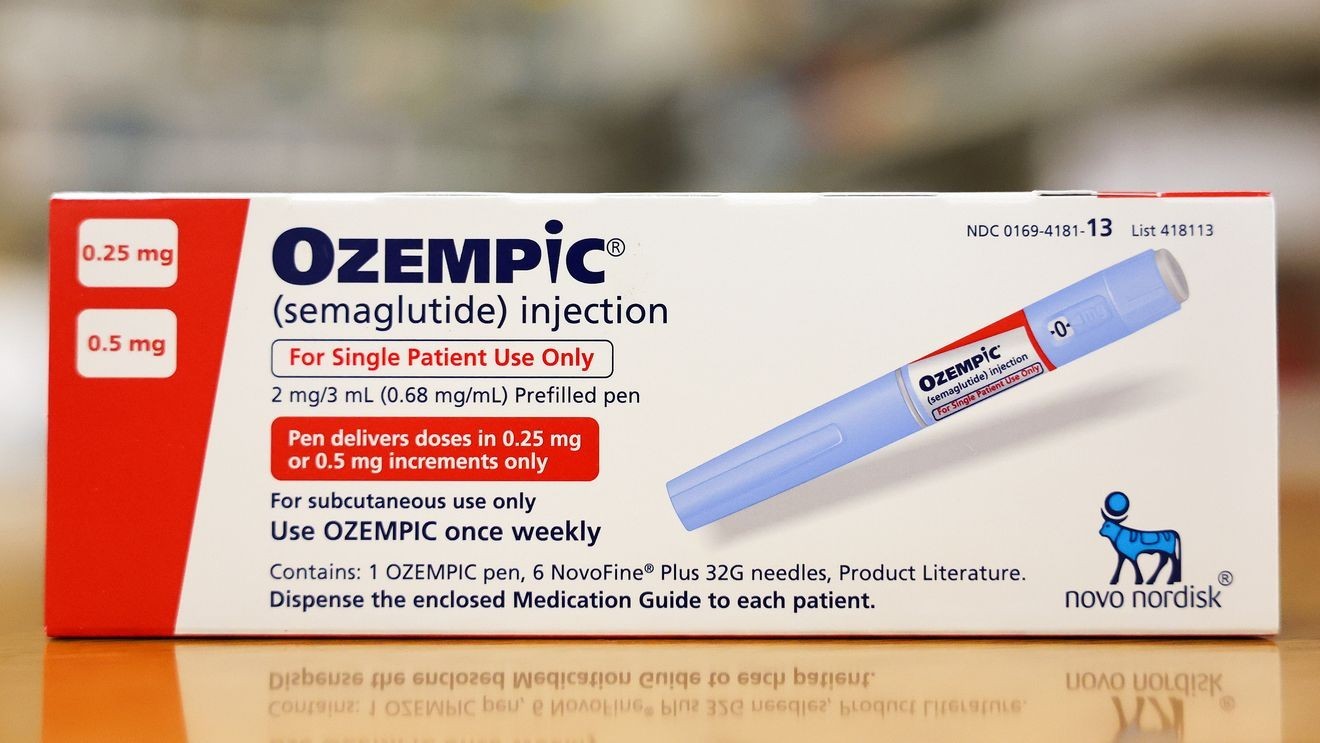
The findings come amid unprecedented growth in the GLP-1 market, with medications like Ozempic, Wegovy, and Mounjaro transforming both obesity treatment and pharmaceutical industry profits. Analysts project the GLP-1 market could reach $150 billion by 2030, with an estimated 6.5 million Americans currently using these drugs.
Despite these concerns, researchers stress that these cases appear uncommon and that the findings are not a call for people to stop taking GLP-1 medications. Instead, experts say the results point to a major blind spot in current research.
“Very little is known about the exact changes these medications have on what people actually eat, whether vitamin and mineral intakes are adequate, and whether weight loss achieved through medication also supports optimal nutrition-related health and wellbeing in the long-term,” the HMRI researchers noted in their report.
The review also highlights how GLP-1 medications work by targeting receptors in the brain that regulate appetite, leading to significant reductions in hunger and food intake. This mechanism, while effective for weight loss, may inadvertently contribute to nutritional gaps if not properly managed.
Doctors are now being urged to monitor patients’ diets more closely and ensure that even smaller meals remain nutritionally dense. The review also calls for future clinical trials to include detailed dietary assessments to better understand long-term health effects.
Beyond vitamin C, researchers say other deficiencies could also pose risks. Iron deficiency can lead to anemia, while low levels of certain B vitamins may contribute to serious neurological conditions such as Wernicke’s encephalopathy — though experts note these complications remain rare.
Another challenge, researchers say, is that symptoms of nutrient deficiency — including fatigue, nausea, and irritability — can overlap with the common side effects of GLP-1 medications, making problems harder to spot early.
“The overlap of symptoms creates a diagnostic challenge,” explained Dr. Michael Chen, endocrinologist at Cleveland Clinic. “When a patient reports fatigue, is it from the medication itself, or could it be an underlying nutritional issue? We need to be vigilant about this distinction.”
For patients concerned about their nutritional status, experts recommend working with a registered dietitian and considering screening for deficiencies before starting treatment. Some medical centers are now developing specialized nutritional protocols for GLP-1 users, including recommendations for nutrient-dense foods and appropriate supplements.
The bottom line from researchers: GLP-1 medications can be highly effective for weight loss, but long-term success depends not just on appetite suppression — it also requires careful nutrition management. As these medications become increasingly mainstream, the medical community is working to ensure that weight loss doesn’t come at the expense of essential nutrition.
Fact Checker
Verify the accuracy of this article using The Disinformation Commission analysis and real-time sources.

35 Comments
Exploration results look promising, but permitting will be the key risk.
Good point. Watching costs and grades closely.
Nice to see insider buying—usually a good signal in this space.
If AISC keeps dropping, this becomes investable for me.
If AISC keeps dropping, this becomes investable for me.
Good point. Watching costs and grades closely.
Good point. Watching costs and grades closely.
Uranium names keep pushing higher—supply still tight into 2026.
Good point. Watching costs and grades closely.
Good point. Watching costs and grades closely.
The cost guidance is better than expected. If they deliver, the stock could rerate.
Good point. Watching costs and grades closely.
Good point. Watching costs and grades closely.
Production mix shifting toward Fact Check might help margins if metals stay firm.
Good point. Watching costs and grades closely.
Good point. Watching costs and grades closely.
Silver leverage is strong here; beta cuts both ways though.
Good point. Watching costs and grades closely.
Good point. Watching costs and grades closely.
Interesting update on GLP-1 Medication Users Not Contracting Rare Disease Associated with Pirates, Investigation Finds. Curious how the grades will trend next quarter.
Good point. Watching costs and grades closely.
Nice to see insider buying—usually a good signal in this space.
Good point. Watching costs and grades closely.
Good point. Watching costs and grades closely.
The cost guidance is better than expected. If they deliver, the stock could rerate.
Good point. Watching costs and grades closely.
Nice to see insider buying—usually a good signal in this space.
Good point. Watching costs and grades closely.
Good point. Watching costs and grades closely.
Uranium names keep pushing higher—supply still tight into 2026.
Good point. Watching costs and grades closely.
Good point. Watching costs and grades closely.
If AISC keeps dropping, this becomes investable for me.
Good point. Watching costs and grades closely.
Good point. Watching costs and grades closely.