


Listen to the article
In a concerning development for media integrity, a fabricated video falsely depicting conservative columnist George Will claiming Fox News cut away from President Donald Trump during a Cabinet meeting has garnered over 1.5 million views on YouTube, highlighting the growing sophistication of AI-generated misinformation.
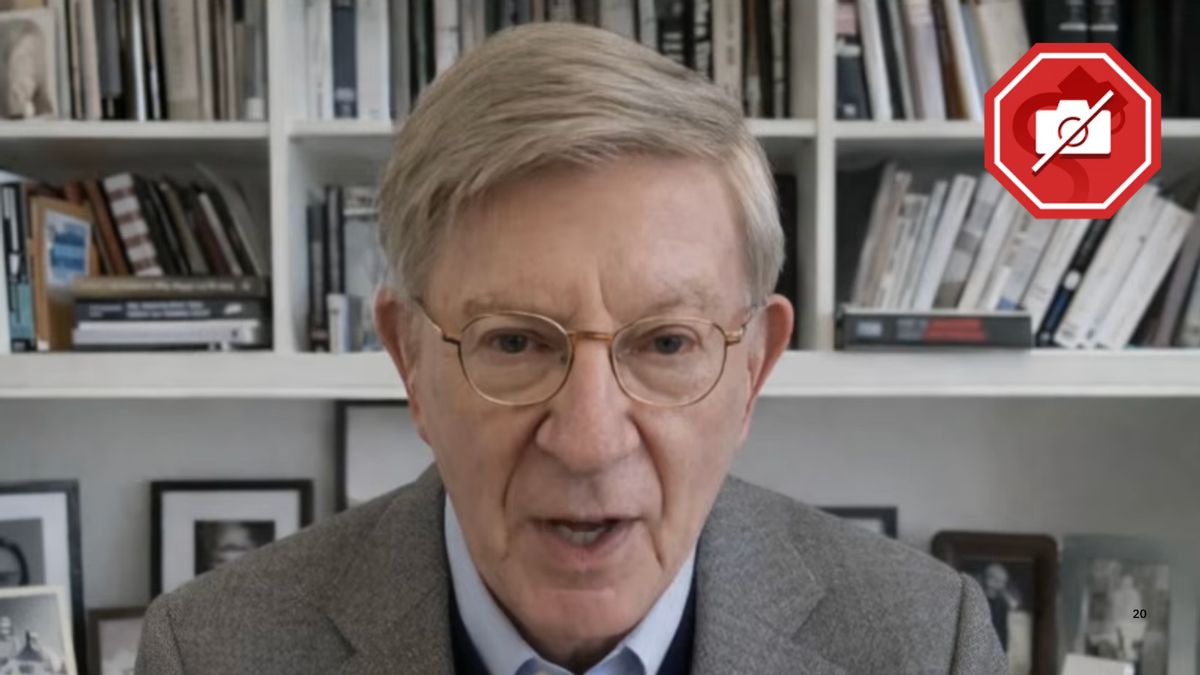
The video, titled “1 Minute Ago: Trump Falls Apart Staff Handling Him Legacy Panic & Black History Erasure |George Will,” presents what appears to be Will reporting that Fox News abruptly terminated its broadcast of Trump because the president was “falling apart” during an official Cabinet meeting.
A fact-check investigation has definitively labeled the content as fake. The video shows clear signs of manipulation through deepfake technology, with Will’s mouth movements appearing unnatural and his voice displaying the telltale signs of synthetic audio, including odd emphasis and unnatural intonation patterns.
The deceptive content originated from a YouTube channel called “Politics Raw,” created in mid-January 2026. While the video’s expanded description does include a disclaimer noting that “sounds or visuals were significantly edited or digitally generated,” this warning is easily overlooked by casual viewers who don’t expand the description box.
“If a sitting president appeared to be in visible distress during a Cabinet meeting and a major cable news network abruptly stopped broadcasting as a result, it would likely prompt widespread media coverage,” noted media analysts consulted during the investigation. No such incident was reported by any credible news sources.
Forensic analysis of the video suggests it was created by repurposing genuine footage from one of Will’s legitimate interviews, likely from appearances on networks such as C-SPAN, NewsNation, or segments for The Washington Post, where Will regularly contributes as a columnist. The background, lighting, and camera angle in the fake video closely match Will’s authentic home office setting, complete with bookshelves and framed photographs.
The Politics Raw channel has established a pattern of publishing similar fabricated content. Its videos typically feature sensational titles beginning with “BREAKING” or “1 Minute Ago,” alongside thumbnails that incorporate graphics mimicking recognizable cable news branding elements, including approximations of the Fox News logo.
This isn’t the first instance of Will being targeted for deepfake manipulation. Previous fact-check investigations have identified similar fabricated videos showing the respected columnist supposedly making inflammatory comments about Trump’s administration and court opinions.
Media literacy experts warn that such deepfakes represent an evolving threat to information integrity. “These videos are becoming increasingly sophisticated and harder for the average viewer to identify as fake,” explained Dr. Melissa Thompson, a digital media researcher at Northwestern University. “The combination of familiar settings, recognizable public figures, and emotionally charged political content creates a particularly effective form of misinformation.”
The Washington Post was contacted regarding the misrepresentation of their columnist but had not provided comment at the time of reporting. The YouTube channel behind the fake video does not list any contact information, making direct outreach for comment impossible.
Social media platforms continue to struggle with the proliferation of such content. Despite policies against misleading information, the video spread rapidly across YouTube, Facebook, X (formerly Twitter), and TikTok before being flagged.
Digital rights advocates have renewed calls for more robust detection tools and clearer labeling requirements for AI-generated content. “When deepfakes can so convincingly put words in the mouths of respected journalists, we face a fundamental challenge to how citizens can verify information,” noted Alan Garrison, policy director at the Digital Democracy Institute.
For consumers of online news, the incident serves as a stark reminder of the importance of verification, especially for content making extraordinary claims about public figures that lack corroboration from established news sources.
Fact Checker
Verify the accuracy of this article using The Disinformation Commission analysis and real-time sources.

12 Comments
The prevalence of deepfakes is a worrying trend that undermines the credibility of media and public discourse. This incident highlights the importance of critical thinking, fact-checking, and maintaining a healthy skepticism when engaging with online content.
While the technology behind deepfakes is impressive, the use of such tools to spread misinformation is deeply troubling. Robust media literacy education and effective content moderation policies are essential to combat the rise of AI-generated deception.
Deepfake technology is becoming increasingly sophisticated, making it crucial to carefully verify the authenticity of online content. This incident serves as a stark reminder of the need for heightened media literacy and fact-checking efforts to combat the spread of misinformation.
The use of deepfakes to spread false narratives is deeply concerning. While the video in question includes a disclaimer, the deception is still highly problematic and highlights the importance of media literacy and critical thinking when consuming news and information online.
Agree, the growing sophistication of deepfakes is a serious threat to the integrity of information. Fact-checking and source verification are essential to navigate this challenging landscape.
This deepfake incident is a concerning development that underscores the importance of fact-checking and maintaining a critical eye when consuming news and information online. The proliferation of such deceptive content poses a serious threat to the integrity of public discourse.
The sophistication of this deepfake is impressive, but its purpose is deeply concerning. As consumers of information, we must remain skeptical and verify the authenticity of content, especially when it aligns with our biases or preconceptions.
The sophistication of this deepfake is impressive, but its purpose is deeply troubling. As citizens, we must remain vigilant and committed to distinguishing truth from fiction, especially in the face of rapidly advancing AI-powered manipulation of media.
The viral spread of this deepfake video is a troubling sign of the times. Maintaining trust in media and public discourse requires diligent efforts to identify and debunk such fabricated content.
Well said. The proliferation of deepfakes poses significant risks to democratic discourse and decision-making. Vigilance and a commitment to facts are crucial to combat this trend.
This incident underscores the urgent need for stronger regulations and technological solutions to address the growing threat of AI-generated disinformation. Policymakers and tech companies must work together to stay ahead of these rapidly evolving challenges.
The viral spread of this fabricated video is a stark reminder of the need for increased media literacy and a renewed focus on verifying the authenticity of information, especially in the age of rapidly evolving deepfake technology.