


Listen to the article
A federal law originally passed to protect abortion clinics has become the focal point of a contentious legal battle involving a prominent journalist, raising significant questions about the law’s scope and its potential conflict with constitutional press freedoms.
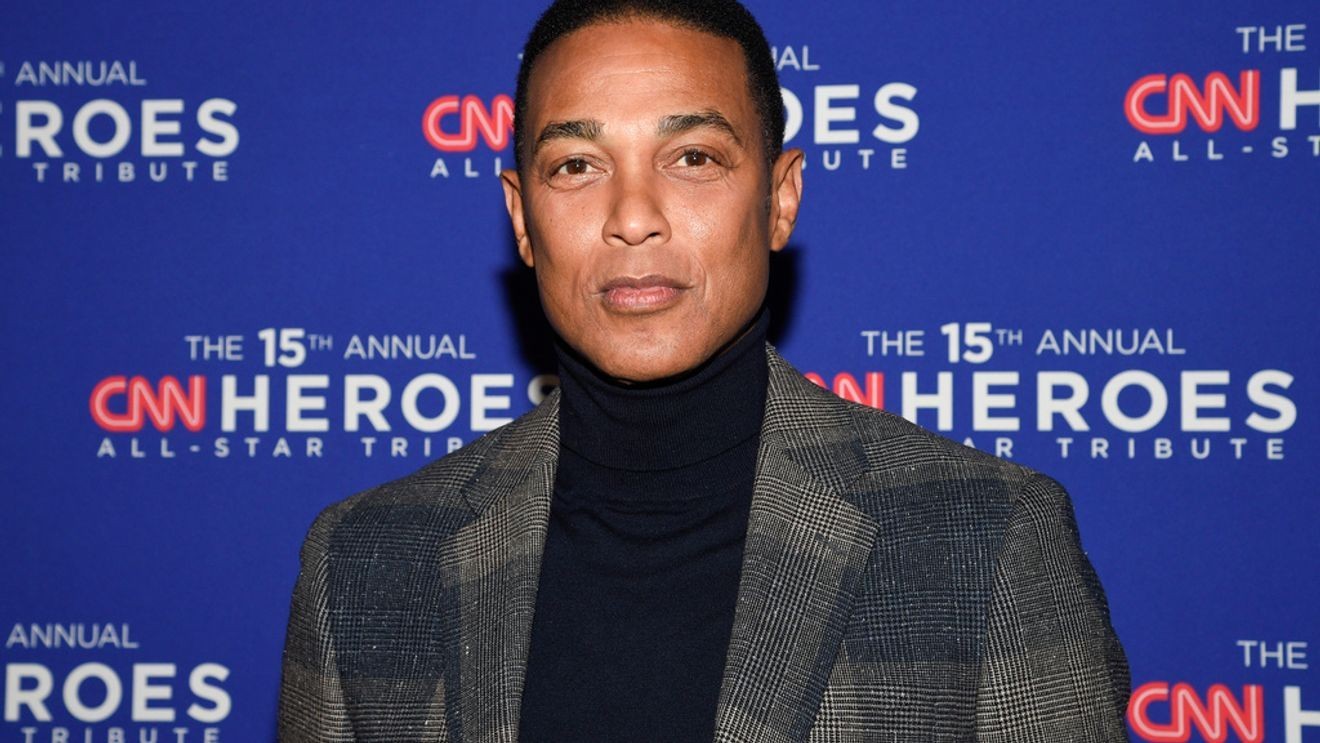
Don Lemon and other protesters who entered a Minnesota church during an anti-Immigration and Customs Enforcement (ICE) demonstration now face federal charges under the Freedom of Access to Clinic Entrances Act (FACE Act). The case has prompted renewed scrutiny of the law’s application and its potential impact on First Amendment protections.
The FACE Act emerged in 1994 as a congressional response to escalating violence, threats, and blockades targeting abortion providers across the United States. According to the Department of Justice, the legislation prohibits the use of force, threats, or physical obstruction to injure, intimidate, or interfere with individuals seeking or providing reproductive health services.
However, the law’s protections extend beyond abortion clinics. The statute explicitly shields religious worship, making it a federal offense to intentionally interfere with religious services or damage places of worship. This broader scope means the FACE Act applies equally to churches, synagogues, mosques, and other religious facilities.
Legal precedent for the FACE Act was established primarily through cases involving abortion clinic blockades during the 1990s. A significant early ruling in U.S. v. Brock clarified that physical obstruction alone can constitute a violation, even without intent to harm. Courts have consistently held that violence is not a prerequisite for prosecution under the act.
Cases involving religious sites have been less common but still provide important precedent. Federal courts have upheld FACE Act charges in instances of vandalism or intimidation directed at churches when the actions were designed to deter worship or block access to religious services.
The current case breaks new legal ground as Lemon’s defense team argues he was present at the church as a journalist covering the protest, not as a participant or organizer. This distinction raises complex questions about press freedom and the rights of reporters covering politically sensitive events.
“This case sits at the intersection of several fundamental constitutional principles,” said Alexandra Brodsky, a civil rights attorney not involved in the case. “The courts must balance protecting religious spaces against ensuring the press can document matters of public interest, even controversial ones.”
Legal experts note that while the FACE Act has withstood various challenges since its inception, its application to journalists covering protests inside religious spaces ventures into largely uncharted legal territory. The outcome could establish important precedent regarding where courts draw the line between protected newsgathering activities and conduct that constitutes unlawful interference.
The case also comes amid heightened national tensions over immigration enforcement policies, with anti-ICE protests occurring across the country. Religious institutions have increasingly become spaces for both protest and sanctuary in immigration debates, further complicating the legal and ethical questions involved.
First Amendment scholars caution that the prosecution of journalists under the FACE Act could potentially chill reporting on politically sensitive issues. Conversely, religious liberty advocates argue that the sanctity of worship spaces requires robust legal protection, regardless of the political context.
“If journalists can be charged simply for being present during a protest inside a church, that raises serious concerns about press freedom,” said Jane Kirtley, professor of media ethics and law at the University of Minnesota. “But we also can’t ignore the legitimate interest in preventing disruption of religious services.”
The Department of Justice has defended its application of the FACE Act in this case, maintaining that the law’s religious protections are equally important to its reproductive health provisions. Officials emphasize that the statute was designed to protect access to both abortion services and religious worship from interference.
As the legal proceedings unfold, the case will likely force courts to articulate more precise boundaries between legitimate journalistic coverage and conduct that crosses into unlawful interference under the FACE Act, potentially reshaping how this nearly three-decade-old law is applied in the modern media landscape.
Fact Checker
Verify the accuracy of this article using The Disinformation Commission analysis and real-time sources.

14 Comments
The FACE Act was passed to protect abortion clinics, but it’s now being applied more broadly to religious services as well. This raises interesting questions about the law’s scope and its potential conflict with First Amendment rights.
It will be interesting to see how the courts interpret and apply the FACE Act in this case involving a journalist like Don Lemon. Protecting access to places of worship is important, but so are press freedoms.
The case involving Don Lemon and the FACE Act highlights the ongoing tensions between different constitutional rights and protections. It will be interesting to see how the courts navigate this delicate balance.
This is a nuanced situation that doesn’t have any easy answers. I’m curious to learn more about the specific details and legal arguments on both sides.
The FACE Act was intended to protect access to healthcare services, but its application to religious services raises questions about potential overreach. It will be important to carefully examine the details and precedents in this case.
Balancing constitutional rights and public safety is always a delicate challenge. I hope the courts can provide some clarity on the appropriate scope and application of the FACE Act in this context.
The application of the FACE Act to a journalist like Don Lemon who was protesting at a church raises important questions about the law’s scope and its potential impact on press freedoms. This will be an important case to follow.
Protecting access to places of worship is crucial, but so are constitutional rights like freedom of the press. I hope the courts can provide clarity on how to properly balance these competing interests.
This case involving Don Lemon and the FACE Act is a complex and contentious one that touches on some of the most sensitive constitutional rights and freedoms. It will be fascinating to see how it plays out in the courts.
The FACE Act was intended to protect reproductive healthcare access, but its application to religious services raises serious questions. I’m interested to learn more about the legal arguments and precedents that will shape the outcome of this case.
This is a complex and controversial case that touches on sensitive issues of reproductive rights, religious freedoms, and press freedoms. I’m interested to see how it unfolds and what implications it may have for future cases.
The FACE Act was meant to protect access to healthcare services, but its application to religious services raises legitimate concerns about potential overreach. It will be important to closely examine the legal arguments on both sides.
This case highlights the ongoing tensions between protecting reproductive rights, religious freedoms, and press freedoms. It’s a complex issue that will likely generate a lot of debate and legal analysis.
I’m curious to learn more about the specific circumstances of Don Lemon’s arrest and the arguments being made on both sides. This seems like a nuanced situation without any easy answers.