


Listen to the article
AI-Generated Images Falsely Claim Romance Between Elon Musk and Sydney Sweeney
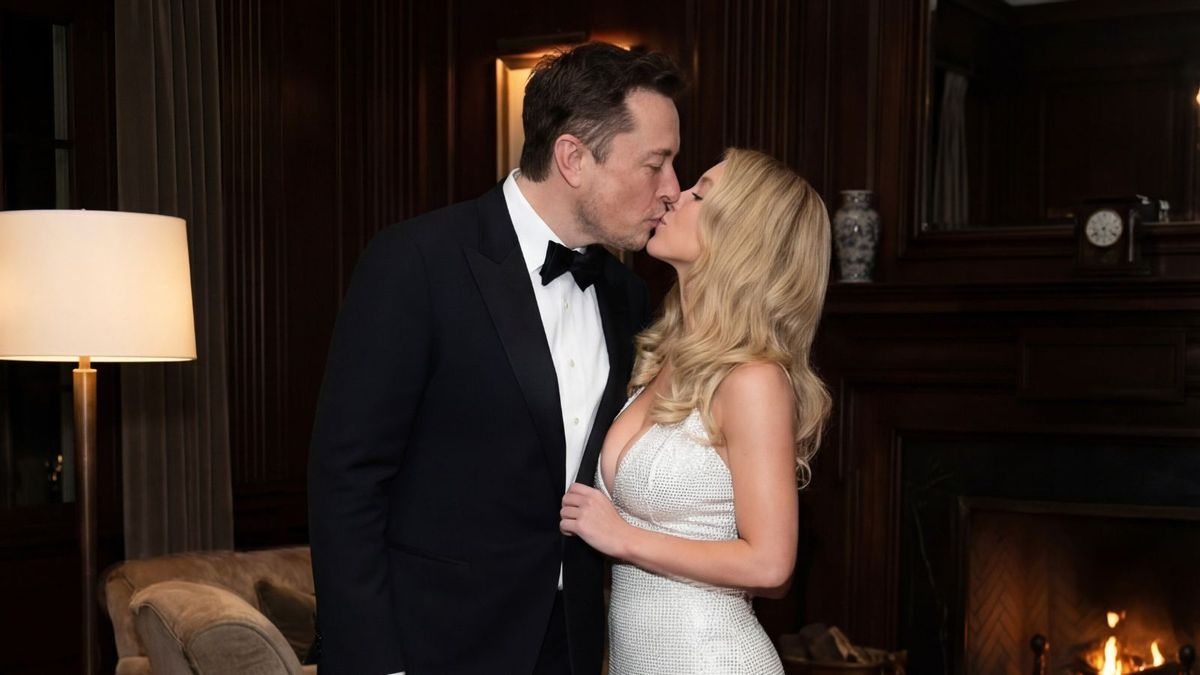
Fabricated images circulating on social media in January 2026 falsely suggested that tech billionaire Elon Musk and actress Sydney Sweeney were dating, an investigation has revealed. The deceptive content, which gained millions of views across various platforms, has been confirmed to be entirely AI-generated.
Three distinct images spread rapidly across social media, particularly on X (formerly Twitter). One depicted Musk and Sweeney kissing in front of a fireplace, another showed them gazing into each other’s eyes in the back of a car, and a third portrayed them surrounded by paparazzi outside the Nobu restaurant in Los Angeles. All three images carried similar captions announcing the alleged relationship.
A thorough search across major news outlets and entertainment publications revealed no credible reporting of any romantic connection between Musk and Sweeney. Such a high-profile relationship would have generated substantial coverage from entertainment media if legitimate, particularly if paparazzi had captured the pair at a prominent Los Angeles restaurant.
The timing of these fabricated images appears connected to Musk’s recent controversial behavior. In the weeks preceding the fake images’ circulation, Musk had made two public comments on X referencing Sweeney’s physical appearance in posts that drew significant criticism for their inappropriateness.
Entertainment news outlets, including People and Page Six, had recently reported that Sweeney was in a relationship with investor and former talent agent Scooter Braun. According to these publications, Braun was reportedly “unfazed” by negative reactions to their romance.
Technical analysis of the images using Google’s SynthID Detector tool confirmed their artificial origin. The detector, designed to identify hidden watermarks in AI-generated content, indicated that “most or all” of the images were “edited or generated with Google AI.” Visual inconsistencies further betrayed the fakes, including an inaccurate representation of the Nobu restaurant sign compared to Google Street View imagery.
The emergence of these convincing fakes highlights the growing sophistication of AI image generation technology and its potential to spread misinformation rapidly. Within hours, the most viewed image had reached millions of users, demonstrating how quickly fabricated content can proliferate on social media platforms.
This incident is part of a troubling trend of deepfakes targeting celebrities and public figures. As AI tools become more accessible and their outputs more realistic, distinguishing between authentic and generated content becomes increasingly challenging for the average social media user.
Media literacy experts have emphasized the importance of critically evaluating viral images, particularly those making sensational claims about public figures. Recommended verification strategies include checking established news sources, looking for visual inconsistencies, and using AI detection tools when available.
Representatives for Sweeney have not yet commented on the fake images. Meanwhile, the original posters of the AI-generated content have not disclosed which specific tools they used to create the convincing fakes.
As AI technology continues to evolve, this case serves as a reminder of the growing need for both technological solutions to detect synthetic media and heightened public awareness about the potential for visual manipulation in the digital age.
Fact Checker
Verify the accuracy of this article using The Disinformation Commission analysis and real-time sources.

14 Comments
It’s a shame to see how easily false narratives can take hold, especially around celebrity relationships. Fact-checking is crucial to maintain trust in the media.
Yes, verifying the authenticity of content is key. I’m glad this investigation was able to debunk the false claims about Elon Musk and Sydney Sweeney.
This just goes to show how important it is to be a critical consumer of online content. AI-generated images can be incredibly realistic, but we must always question what we see.
Absolutely. Falling for fabricated stories can have real consequences, so it’s vital that we take the time to fact-check before sharing or believing anything.
This story is a sobering reminder of the potential for deepfakes and AI-generated content to be used for deception. We must remain vigilant and skeptical of what we see online.
Agreed. The rapid spread of these false images is a concerning trend, and it’s important that we rely on reputable sources to get the facts.
The spread of these false images is a testament to the power of misinformation in the digital age. I hope this investigation serves as a wake-up call for greater media literacy.
Agreed. We need to be vigilant and not let our emotions or biases cloud our judgment when it comes to evaluating the credibility of online content.
This highlights the rise of deepfake technology and the need for vigilance against misinformation. I hope the perpetrators behind this hoax are held accountable.
Agreed, the rapid spread of these false images is concerning. We must stay informed and not blindly believe everything we see online.
Interesting to see the fabrication of celebrity relationships like this. I wonder what the motivations are behind creating such deceptive content? Fact-checking is so important to separate truth from fiction.
Definitely, these types of AI-generated images can be very misleading. It’s critical to rely on credible news sources to get the real story.
It’s disheartening to see how easily manipulated images can be used to spread misinformation. This case highlights the importance of verifying sources and fact-checking.
Absolutely. These types of hoaxes can have real consequences, so it’s crucial that we all take the time to critically analyze the information we consume online.