


Listen to the article
In an era where digital manipulation is increasingly sophisticated, a purported photo of Hillary Clinton, Jeffrey Epstein, and Bill Clinton recently sparked controversy across social media platforms, highlighting the ongoing challenges of distinguishing authentic content from fabrications.
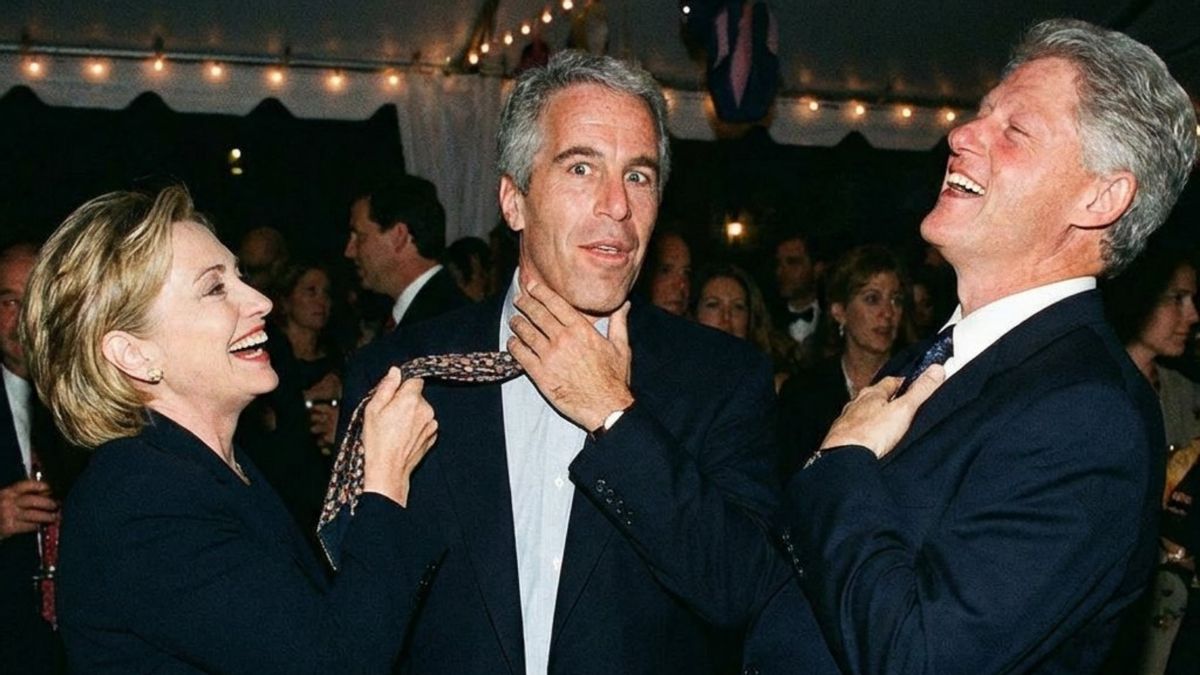
Throughout February 2026, social media users widely shared an image allegedly showing Hillary Clinton pulling on Jeffrey Epstein’s tie while former President Bill Clinton laughed alongside them. The image gained particular traction following Hillary Clinton’s February 26 congressional deposition, during which she stated, “I do not recall ever encountering Mr. Epstein.”
One social media user who shared the image on X (formerly Twitter) captioned it with “I never met Jeffrey Epstein,” an apparent reference to Clinton’s testimony. The post quickly gained traction, spreading across multiple platforms including Facebook, prompting numerous inquiries to fact-checking organizations about its authenticity.
Investigation into the image’s origin revealed it first appeared on February 1, 2026, when an X account named @PapiTrumpo shared the highest quality version of the picture. This account explicitly identifies itself as featuring “a little bit of parody” and carries a “Parody account” label in its profile, indicating the image was created as satirical content.
The post falsely claimed the photo emerged from the Department of Justice’s release of more than 3 million files connected to its Epstein investigation, adding a veneer of credibility that likely contributed to its rapid spread.
Technical analysis of the image revealed multiple indicators of artificial intelligence manipulation. According to Google’s Gemini AI model, the picture contains SynthID, a digital watermark that Google automatically embeds in all its AI-generated content. Further examination showed people in the background of the image display misshapen fingers—a common telltale sign of AI-generated imagery.
While the photo is fabricated, it touches on real connections between the Clintons and Epstein that have been the subject of public scrutiny for years. Though Hillary Clinton maintains she never met the disgraced financier, Bill Clinton’s associations with Epstein have been well-documented. Epstein died in a Manhattan prison cell in 2019 while awaiting trial on sex trafficking charges, with an FBI investigation concluding he committed suicide.
The rapid spread of this fabricated image illustrates the growing challenge social media platforms face in containing misinformation, particularly when it involves public figures and controversial topics. AI-generated content has become increasingly sophisticated, making detection more difficult for average users.
This incident also demonstrates how satirical content can quickly lose its context when shared across platforms, morphing into what many users perceive as factual evidence. The timing of the image’s circulation—coinciding with Hillary Clinton’s congressional testimony—likely contributed to its viral spread as users connected it to current events.
Media literacy experts point to this case as an example of why critical evaluation of online content is more essential than ever, particularly when images appear to show explosive or controversial scenarios involving public figures.
As AI technology continues to advance, distinguishing between authentic and manipulated media will require increased vigilance from both platforms and users alike, with digital watermarking and AI detection tools becoming increasingly vital safeguards against misinformation.
Fact Checker
Verify the accuracy of this article using The Disinformation Commission analysis and real-time sources.

13 Comments
The article provides a valuable lesson on the need to scrutinize online content, particularly when it comes to politically charged issues. Fact-checking and source verification should be the priority, rather than spreading unverified claims, even if they align with one’s own beliefs.
This is a timely reminder of the need for vigilance when it comes to online content. With the rise of deepfakes and other manipulation techniques, we have to be extra careful about verifying the credibility of visual media before sharing.
Absolutely. Fact-checking and source verification are critical, especially on sensitive political topics where misinformation can spread rapidly. We should be skeptical of any unverified images, no matter how compelling they may appear.
This case illustrates the ongoing challenges of discerning authentic content from manipulated images in the digital age. The article’s fact-checking process and tracing the image’s origins are important steps in combating the proliferation of misinformation online.
Agreed. The ability to critically evaluate online content and distinguish truth from fiction is an essential skill in today’s information landscape. This example underscores the importance of responsible, evidence-based sharing of visual media.
Interesting claim, but it’s crucial to verify images before sharing, especially on sensitive topics. As the article notes, digital manipulation is increasingly sophisticated, so we must be cautious about unverified content circulating online.
I agree. It’s important to rely on authoritative sources and fact-checking when assessing the authenticity of images, rather than spreading unverified claims, no matter how provocative they may seem.
The article’s detailed investigation into the origins and spread of this fabricated image is a valuable contribution to media literacy. It highlights the need for increased awareness and vigilance when it comes to verifying online content, especially on polarizing political topics.
The article’s explanation of the image’s origins and the fact-checking process is informative. It’s a timely reminder that we should be skeptical of any unverified visual content, especially on sensitive political topics where misinformation can spread quickly and cause harm.
Absolutely. In an era of deepfakes and sophisticated digital manipulation, it’s crucial that we rely on authoritative sources and fact-checking to assess the credibility of online content before sharing it. Responsible, evidence-based discourse is essential.
While the image in question may be striking, the article makes it clear that it is a fabrication. In an era of widespread digital manipulation, we must be cautious about amplifying unverified content, no matter how sensational it may seem.
Agreed. Responsible journalism and fact-checking are essential to combat the proliferation of misinformation online. This case highlights the importance of verifying the authenticity of visual media before sharing it.
This case underscores the importance of critical thinking and media literacy in the digital age. While the image may be attention-grabbing, the article’s thorough investigation clearly demonstrates that it is a fabrication. We must be vigilant in distinguishing truth from fiction online.