


Listen to the article
Viral Video of Indian Foreign Ministry Spokesperson Proves to Be AI Fabrication
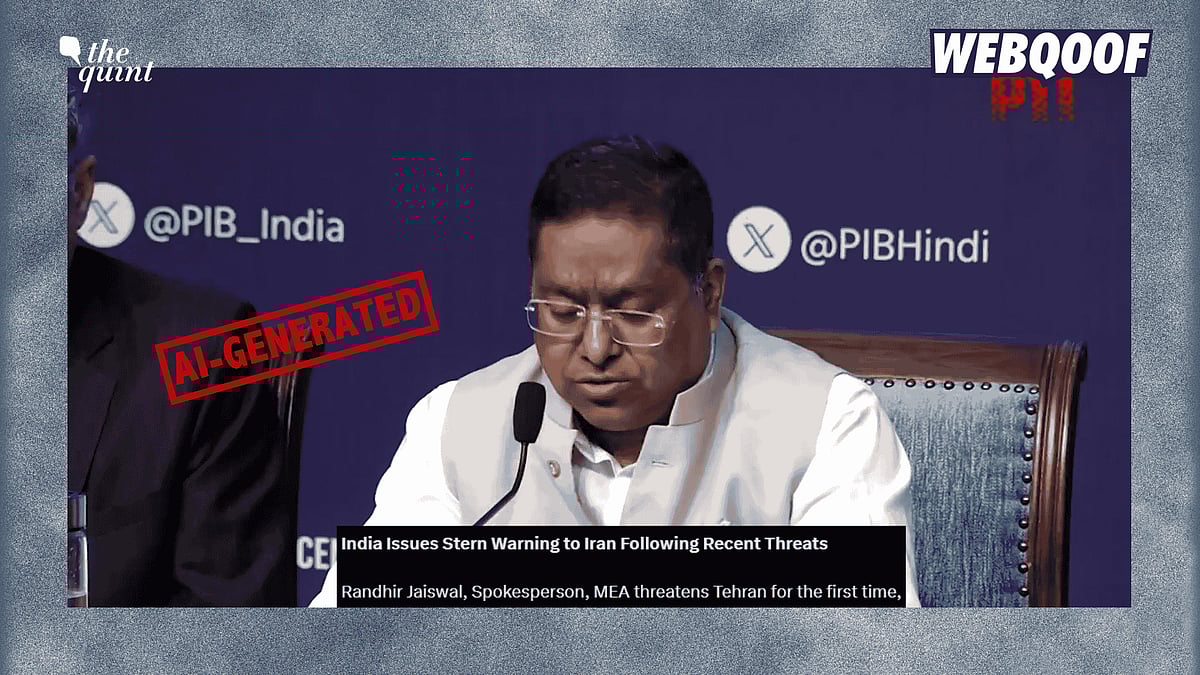
A deceptive video circulating across social media platforms purportedly shows India’s Ministry of External Affairs (MEA) Spokesperson Randhir Jaiswal taking a decisive stance in the ongoing Middle East conflict. However, officials have confirmed the video is entirely fabricated using artificial intelligence technology.
The manipulated footage appears to depict Jaiswal at a weekly media briefing where he supposedly declares India’s support for Israel while issuing direct threats to Iran regarding commercial shipping routes to the subcontinent. The video has gained significant traction online amid heightened tensions in the region.
Foreign policy experts quickly identified several inconsistencies in the video that signaled its fraudulent nature. The MEA subsequently issued a statement confirming the content does not represent any official Indian government position or statement made by Jaiswal during authorized press briefings.
“This is a dangerous example of how AI can be weaponized to create diplomatic confusion,” said Vikram Sood, former chief of India’s foreign intelligence agency, in a statement to reporters. “Such fabrications could potentially damage India’s carefully balanced position in the Middle East, where we maintain strategic relationships with multiple regional powers.”
The timing of this fake video is particularly concerning as it emerges during a period of escalating tensions between Israel and Iran. India has historically maintained a nuanced diplomatic approach in the region, balancing relationships with Israel, Iran, and Arab nations while protecting its significant economic interests, including energy security and the welfare of its large diaspora population across the Middle East.
Maritime security remains a vital concern for India, with approximately 80 percent of its crude oil imports traveling through Middle Eastern shipping lanes. Any disruption to these routes would have serious implications for India’s economy, making the fabricated threats regarding commercial shipping particularly problematic.
Digital forensics experts examining the footage noted telltale signs of AI manipulation, including unnatural lip movements, audio inconsistencies, and visual artifacts typical of deepfake technology. This incident highlights the growing sophistication of AI-generated content and its potential to disrupt international relations.
“What makes this particularly concerning is how targeted the misinformation is,” said Dr. Ananya Prakash, a cybersecurity analyst specializing in deepfake detection. “The fabricated statement touches on specific foreign policy issues in a way designed to provoke responses from multiple stakeholders.”
The MEA has reinforced that India’s official positions on international matters are communicated only through authorized channels, including formal press briefings, official statements, and verified social media accounts. They urged citizens and media organizations to verify information through these official sources before sharing content online.
This incident comes amid growing global concern about AI-generated misinformation affecting diplomatic relations and democratic processes. Several countries, including India, are currently developing regulatory frameworks to address the challenges posed by deepfakes and other synthetic media.
The Indian government has recently proposed amendments to its IT rules that would require social media platforms to identify and remove AI-generated misinformation, particularly content that could impact national security or foreign relations.
“This is unlikely to be an isolated incident,” warned Prakash. “As AI technology becomes more accessible, we can expect to see more sophisticated attempts to manipulate public discourse on sensitive geopolitical issues.”
Authorities have not yet identified those responsible for creating and distributing the fake video, though investigations are reportedly underway to trace its origin and spread across various platforms.
The MEA has encouraged social media users to report the falsified content when encountered and exercise critical judgment when consuming information related to India’s foreign policy positions.
Fact Checker
Verify the accuracy of this article using The Disinformation Commission analysis and real-time sources.

16 Comments
The creation and circulation of this fabricated video is a troubling example of how AI can be misused to undermine diplomatic relations and spread disinformation. Fact-checking and transparency must be prioritized to counter such threats.
Agreed. Maintaining trust and accountability in international affairs is essential, and combating AI-enabled deception should be a top priority for policymakers and tech leaders.
While the technology behind this fabricated video is impressive, its use for disinformation purposes is highly concerning. We must remain vigilant and fact-check claims, especially those with geopolitical implications.
Well said. Fact-checking and transparency are key to countering the spread of manipulated content and preserving the integrity of diplomatic discourse.
This is a concerning development. Deceptive AI-generated videos can sow confusion and escalate tensions. We need robust verification mechanisms to quickly identify and debunk such fabrications.
Agreed. This underscores the importance of verifying information from official sources before amplifying it, especially on sensitive geopolitical matters.
The creation of this fabricated video is a serious breach of trust and a threat to international relations. Robust fact-checking and accountability measures are needed to address the growing risk of AI-enabled deception.
Absolutely. Preserving the integrity of diplomatic communications is essential for maintaining global stability and cooperation.
This case highlights the need for greater regulation and oversight of AI-generated content to mitigate the risks of diplomatic deception. Governments and tech companies must work together to address this challenge.
I agree. Developing robust detection and response mechanisms is crucial to maintain trust and stability in international relations.
This is a concerning example of how AI can be weaponized to create false narratives and sow discord. Strengthening digital literacy and media verification skills is crucial to build resilience against such threats.
I agree. Educating the public on identifying manipulated media is an important step in combating the spread of disinformation in the digital age.
It’s troubling to see how advanced AI can be exploited to create convincing misinformation. Responsible reporting and fact-checking are crucial to prevent the spread of these manipulated videos.
Absolutely. Vigilance and fact-based journalism are essential safeguards against the malicious use of AI in the information landscape.
This incident highlights the urgent need for stronger regulations and ethical guidelines around the development and deployment of AI technologies. Responsible innovation is key to mitigating the risks of malicious use.
Well said. Collaborative efforts between governments, tech companies, and civil society are crucial to ensure AI is used for the greater good, not exploited for nefarious purposes.