


Listen to the article
Government Warns of Fake Online Claims About Discontinued UCT Program
The Department of Social Welfare and Development (DSWD) has issued a warning about misleading social media posts falsely claiming that December payouts for the Unconditional Cash Transfer (UCT) program are being distributed. Officials confirmed that the UCT program officially ended in 2020 due to budget constraints, making these claims entirely fraudulent.
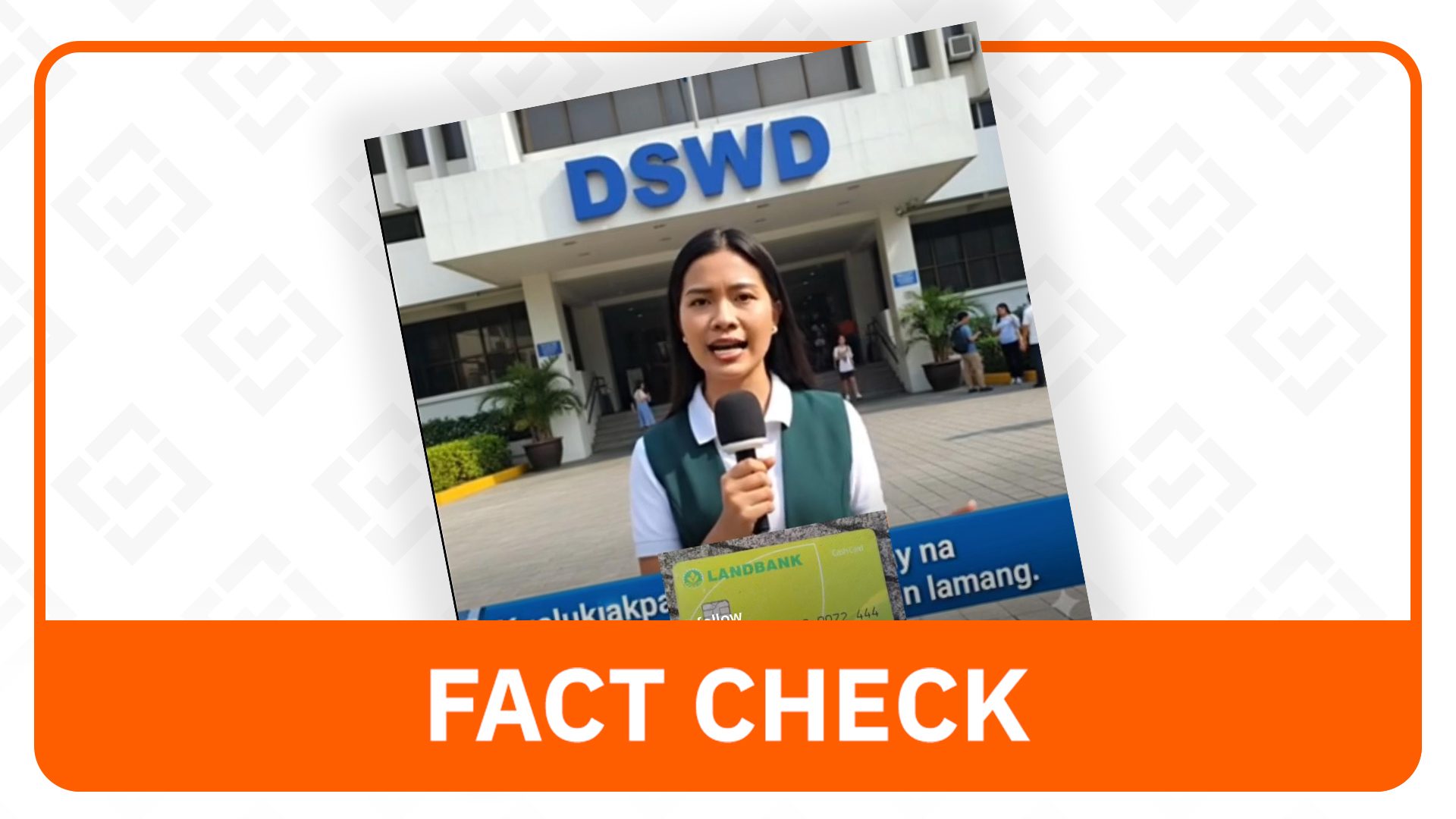
A series of viral videos posted by a Facebook page called “Pinoy Newswire” has been spreading misinformation about supposed UCT payouts, garnering hundreds of thousands of views and thousands of interactions. In one particularly deceptive video, a narrator stands in front of the DSWD building claiming that “UCT and cash card payout is now happening” for what they call “period four,” urging viewers to check if their names appear on supposed beneficiary lists.
The posts direct users to click external links, supposedly containing lists of eligible recipients. However, these links redirect to e-commerce websites rather than official government platforms, raising serious concerns about potential phishing attempts targeting vulnerable citizens.
“We do not post the names of program beneficiaries online, as this would violate the Data Privacy Act,” a DSWD spokesperson clarified in a statement. The agency emphasized that official communications about assistance programs are only released through verified government channels.
Technical analysis of the videos revealed additional red flags. Image analysis software detected a 100% probability that screenshots from the videos were AI-generated, and several videos from the same page appear to use AI-generated narrators, further confirming their inauthenticity.
The UCT program was initially implemented under Republic Act No. 10963 to provide financial assistance to disadvantaged households affected by the Tax Reform for Acceleration and Inclusion (TRAIN) Law. From 2018 to 2020, qualified beneficiaries received monthly cash grants of P200 during the first year and P300 in subsequent years until the program’s discontinuation.
This is not the first instance of scammers targeting potential beneficiaries of government programs. Both the DSWD and the Philippine Statistics Authority have repeatedly warned citizens about various online scams falsely promising government aid. These schemes typically aim to collect personal and sensitive information from users that can later be exploited in phishing attacks.
Digital security experts advise the public to exercise caution when encountering social media posts about government assistance programs, particularly those requiring personal information or directing users to external websites. Legitimate government aid programs are only announced and administered through official channels, and agencies do not typically request sensitive information through social media platforms.
The “Pinoy Newswire” Facebook page, which has amassed over 11,000 likes and 786,000 followers, has established a pattern of posting dubious claims about government assistance programs. Authorities are monitoring such pages as part of broader efforts to combat online disinformation that targets financially vulnerable citizens.
Citizens seeking information about legitimate government assistance programs are encouraged to visit official DSWD offices or verified government websites, and to report suspicious online activity to appropriate authorities.
Fact Checker
Verify the accuracy of this article using The Disinformation Commission analysis and real-time sources.

12 Comments
It’s disheartening to see scammers taking advantage of people this way. Fabricating beneficiary lists and redirecting to phishing sites is a despicable tactic. I hope the government can quickly identify the perpetrators and put an end to these deceptive practices.
This is an important fact-check to help combat the spread of misinformation. Exploiting vulnerable people with false promises of cash transfers is unethical and illegal. Kudos to the authorities for issuing this warning to protect citizens.
This is a timely and important fact-check. Scammers exploiting discontinued welfare programs to spread misinformation and phish for personal information is a serious issue that needs to be addressed. I hope the government can effectively shut down these deceptive schemes.
It’s concerning to see these fake claims spreading online, especially since they could potentially target vulnerable individuals. I’m glad the government is taking action to warn the public and shut down these deceptive practices. Fact-checking and relying on official sources is so important in these situations.
This is a good reminder to always be cautious about unsolicited claims of free money or benefits, especially from unofficial sources online. Verifying information directly with the government is the best way to avoid falling victim to these kinds of deceptive schemes.
This is a timely warning from the government about the dangers of misinformation, especially around social welfare programs. It’s crucial that people verify information from official channels before believing or sharing anything online about supposed cash transfers or benefits.
Absolutely. Fact-checking and relying on legitimate government sources is so important to avoid falling for these scams. Spreading misinformation, even unintentionally, can have serious consequences.
I’m glad the government is proactively warning the public about these fake social media posts. Spreading misinformation about discontinued welfare programs can have real consequences for people, so it’s important to shut down these scams as soon as possible.
It’s appalling that scammers would try to exploit vulnerable citizens this way. Falsely claiming the return of a discontinued program to lure people into phishing attempts is a despicable tactic. I hope the authorities can put a stop to this quickly.
I appreciate the government’s proactive approach in issuing this warning about the fake online claims. Spreading disinformation about discontinued cash transfer programs is unethical and can have serious consequences for vulnerable citizens. Kudos to the authorities for addressing this issue head-on.
It’s concerning to see these fake claims about a discontinued government program spreading online. Preying on vulnerable citizens with deceptive videos and phishing attempts is unacceptable. I hope the authorities can take strong action to shut down these scams and educate the public.
This is a concerning trend of misinformation surrounding social welfare programs. I’m glad the government is taking action to warn the public and shut down these fraudulent schemes. Verifying information from official channels is crucial to avoid falling victim to these scams.