


Listen to the article
Popular Weight Loss Medications May Cause Nutritional Gaps, Research Warns
WASHINGTON (TNND) — Popular GLP-1 weight-loss medications have helped millions of people shed pounds, but new research from Australia suggests doctors and patients may need to pay closer attention to what users are actually eating while taking them.
A systematic review from the Hunter Medical Research Institute (HMRI) found that while the medications are effective for weight loss, many clinical trials fail to track changes in diet or whether patients are still getting enough essential nutrients. According to researchers, that gap could increase the risk of malnutrition over time.
One concern highlighted in the review is the potential for vitamin deficiencies — including rare cases of scurvy, a disease caused by a lack of vitamin C. Historically known as “pirate’s disease,” scurvy develops when the body doesn’t receive enough fruits and vegetables to maintain healthy tissue repair and immune function.
“Very little is known about the exact changes these medications have on what people actually eat, whether vitamin and mineral intakes are adequate, and whether weight-loss achieved through medication also supports optimal nutrition-related health and wellbeing in the long-term,” the HMRI researchers noted in their findings.
Scurvy’s symptoms can include anemia, loose teeth, bruising, bleeding under the skin, swollen or bleeding gums, and wounds that don’t heal – conditions that may be overlooked in patients taking GLP-1 medications because their attention is primarily focused on weight loss.
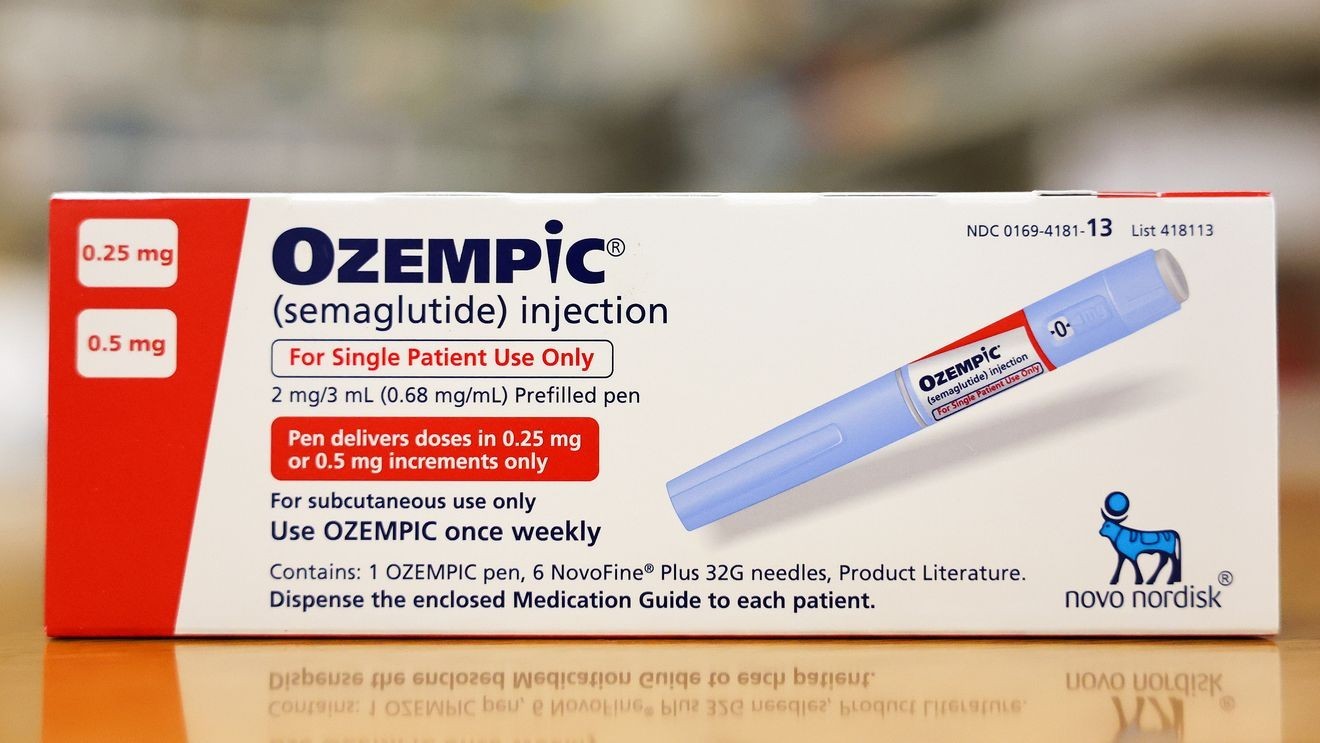
The researchers emphasize that these cases appear uncommon and that the findings are not a call for people to stop taking GLP-1 medications, which include popular brands like Ozempic, Wegovy, and Mounjaro. Rather, the results point to a significant blind spot in current research protocols and clinical practice.
Dr. Rebecca Williams, a nutritional medicine specialist not involved in the study, explains why this concern matters: “GLP-1 medications work by decreasing appetite and slowing digestion. When patients eat less, they’re naturally consuming fewer nutrients, but their body’s requirements haven’t changed.”
Beyond vitamin C, researchers say other deficiencies could also pose risks. Iron deficiency can lead to anemia, while low levels of certain B vitamins may contribute to serious neurological conditions such as Wernicke’s encephalopathy — though experts note these complications remain rare.
The global market for GLP-1 medications has exploded in recent years, with projections suggesting it could reach $100 billion annually by 2030. As these medications become more widely used for both diabetes management and weight loss, the nutritional concerns highlighted by the HMRI study gain increased relevance.
Another challenge identified by researchers is that symptoms of nutrient deficiency — including fatigue, nausea, and irritability — can overlap with the common side effects of GLP-1 medications, making problems harder to spot early.
“This overlap creates a diagnostic challenge,” notes clinical dietitian Sarah Martinez. “A patient might attribute their fatigue to the medication when it could actually be a developing nutritional deficiency that requires intervention.”
For patients concerned about their nutritional status, experts recommend working with a registered dietitian and considering screening for deficiencies before starting treatment. Doctors are now being urged to monitor patients’ diets more closely and ensure that even smaller meals remain nutritionally dense.
The review also calls for future clinical trials to include detailed dietary assessments to better understand long-term health effects of these medications. Such data could help establish better guidelines for nutritional supplementation in patients using GLP-1 drugs.
The bottom line from researchers: GLP-1 medications can be highly effective for weight loss, but long-term success depends not just on appetite suppression — it also requires careful nutrition management. As these medications continue to grow in popularity, ensuring nutritional adequacy may become an essential component of treatment protocols.
Fact Checker
Verify the accuracy of this article using The Disinformation Commission analysis and real-time sources.

13 Comments
This report highlights an important issue that needs further investigation. While these weight loss drugs can be effective, the potential for nutritional gaps is worrying. More research is needed on the dietary changes and nutrient status of users to ensure their overall health is protected.
I agree, the lack of data on dietary changes and nutrient intake is a significant gap that needs to be addressed. Comprehensive monitoring will be crucial to maximize the benefits and minimize the risks of these medications.
The potential for these weight loss medications to contribute to nutritional deficiencies is an important finding. While the drugs may be effective for shedding pounds, the risk of conditions like scurvy highlights the need for comprehensive monitoring and supplementation where necessary.
Absolutely, maintaining overall health should be the priority, not just weight loss. Careful management will be key to ensuring these medications are used safely and effectively.
This report raises valid concerns about the nutritional impacts of GLP-1 weight loss drugs. Doctors and patients must be vigilant about monitoring diet and nutrient intake to avoid deficiencies, even for conditions as seemingly outdated as scurvy. Comprehensive care is essential.
Scurvy is certainly not a disease we’d expect to see in the modern era, so the possibility of it occurring with GLP-1 weight loss drugs is quite concerning. This report underscores the importance of holistic care, with close attention paid to diet and nutrition alongside medication.
This is an interesting report on the potential nutritional risks of GLP-1 weight loss medications. It’s important that doctors and patients carefully monitor diet and nutrient intake to avoid deficiencies like scurvy. Careful management will be key to getting the benefits of these drugs while minimizing side effects.
Agreed, the potential vitamin and mineral deficiencies are concerning. Monitoring and supplementation may be required to ensure overall health is maintained during weight loss.
The findings in this report are a sobering reminder that even advanced pharmaceuticals can have unintended consequences. The risk of nutrient deficiencies like scurvy with GLP-1 medications highlights the importance of comprehensive management, with close attention paid to diet and overall health, not just weight loss.
The finding that GLP-1 drugs may increase the risk of nutrient deficiencies is quite concerning. Careful dietary assessment and supplementation should be part of any weight loss program using these medications. Patients deserve to know the full risks and benefits.
The potential for these weight loss medications to contribute to nutritional gaps is quite worrying. While the drugs may be effective for shedding pounds, the risk of deficiencies like scurvy underscores the need for close dietary monitoring and supplementation. Holistic care should be the priority.
Fascinating that such an old disease like scurvy could still be a risk with modern weight loss medications. The review highlights an important gap in the research that needs to be addressed. Patients should be aware of the potential nutritional issues and work closely with their doctors.
Yes, it’s a good reminder that even advanced pharmaceuticals can have unintended consequences. Diligent monitoring will be crucial to ensure these medications are used safely and effectively.