


Listen to the article
In the digital fog of war, misinformation spreads rapidly across social media platforms as tensions continue to escalate between the United States, Israel, and Iran. Several misleading videos have gained significant traction online, purportedly showing attacks between these nations. A closer examination reveals these videos to be either AI-generated or repurposed from earlier conflicts.
One widely circulated video claims to show Iranian missile attacks on Israel, beginning with footage from a fuel station before cutting to an air raid over a residential area. Analysis of this content reveals clear indicators of artificial intelligence generation. The approximately 10-second duration—typical of free AI generation tools—is the first red flag. Upon closer inspection, the signboard at the fuel station contains unintelligible text, while the flag visible appears to be Iranian rather than Israeli.
Reverse image searches traced the video to a Facebook page called “Surprising Clips TV,” which explicitly labels its content as AI-generated. The viral version also includes manipulated audio of someone pleading, “Iran, please stop”—audio absent from the original synthetic creation.
A separate video showing dust-covered cars and rubble-strewn streets has been shared with claims it depicts current conditions in Tel Aviv. Fact-checking reveals this footage actually dates back to June 2025, during the “Twelve-Day War” between Israel and Iran. The video appeared on multiple social media platforms with Somali-language captions at that time, confirming it has no connection to the current conflict.
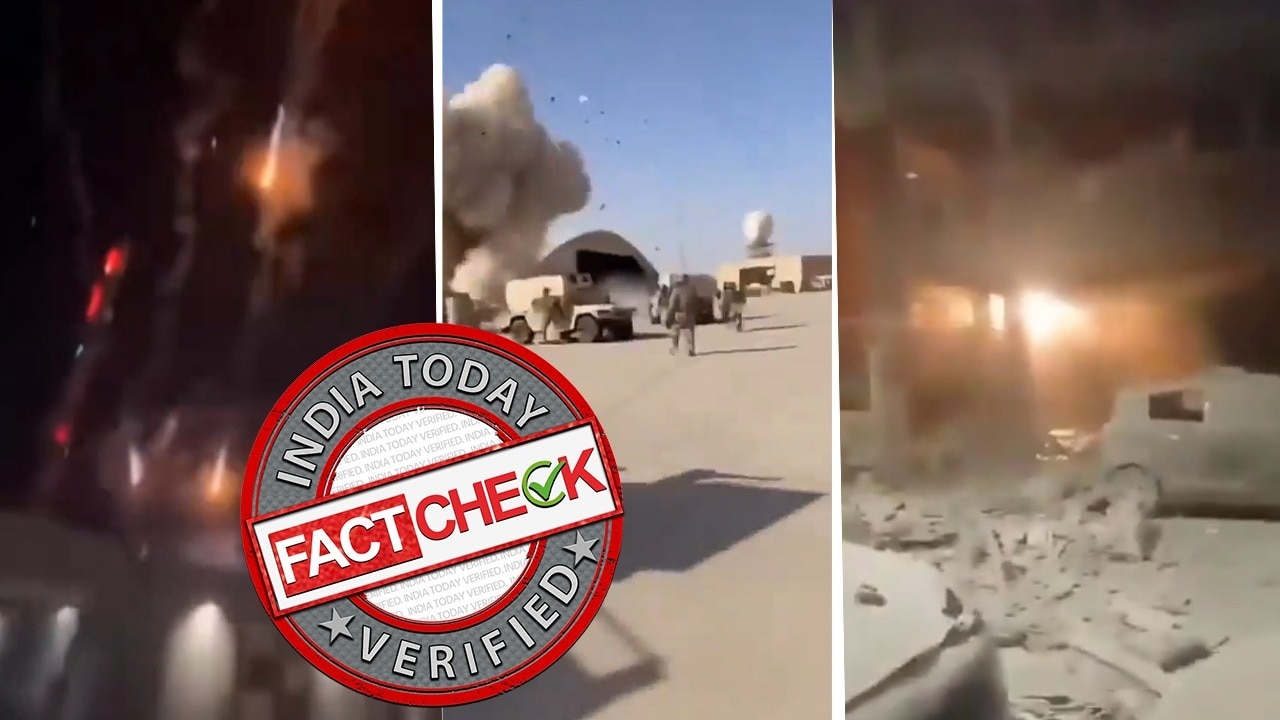
Perhaps most sophisticated is a third video allegedly showing Iranian missiles striking U.S. military bases in Jordan and the Gulf region. This footage displays numerous technical inconsistencies betraying its artificial origin. In several frames, the extremities of running soldiers momentarily disappear. One soldier appears to effortlessly move a concrete barrier that would realistically weigh thousands of kilograms—a physical impossibility. The explosion effects also exhibit the hallmark uniformity of computer generation.
When analyzed through Site Engine, an AI-detection tool, the video registered a 99 percent probability of being artificially generated, confirming expert visual analysis.
The proliferation of these deceptive videos highlights the increasingly complex information landscape surrounding international conflicts. As tensions in the Middle East continue to command global attention, the battle between fact and fiction intensifies in parallel with the actual military situation.
Social media platforms struggle to contain the spread of such content, which can rapidly reach millions of viewers before verification processes occur. National security experts have warned about the potential for synthetic media to inflame tensions or potentially trigger miscalculations during delicate geopolitical standoffs.
Media literacy experts recommend viewers approach dramatic conflict footage with skepticism, particularly when videos show perfect camera angles of unexpected attacks or when footage appears with minimal contextual information about its source.
The current conflict has proven particularly fertile ground for misinformation, with AI-generated content complementing more traditional forms of propaganda and misleading repurposed footage. Intelligence agencies from multiple countries have noted coordinated disinformation campaigns attempting to shape public perception of the conflict.
As verification tools improve, the arms race between detection and generation technologies continues to evolve, leaving social media users and news consumers caught in an increasingly sophisticated information battlefield where determining reality requires greater scrutiny than ever before.
Fact Checker
Verify the accuracy of this article using The Disinformation Commission analysis and real-time sources.

20 Comments
Appreciate the diligence in investigating these viral videos and exposing their synthetic nature. Fact-checking is essential to combat the spread of misinformation, especially during times of international conflict.
Yes, the ability to create misleading media using AI is a growing concern. Thorough fact-checking is crucial to maintain trust in reporting and prevent the further escalation of tensions.
Interesting fact check on the misleading viral videos. It’s important to be cautious of unverified footage, especially during heightened tensions. Fact-checking is crucial to separate truth from fiction.
Absolutely. Viral content can spread misinformation rapidly, so it’s good they’re investigating the origins and verifying the authenticity of these videos.
Good to see this fact check on the viral videos. It’s a sobering reminder of how quickly misinformation can spread, especially around sensitive geopolitical issues. Fact-checking is vital to provide accurate information.
Absolutely. Verifying the authenticity of online content is crucial, especially when it involves potential escalation of tensions between nations. Fact-checkers play a critical role in this process.
Great work by the fact-checkers in identifying the synthetic nature of these videos. It’s a sobering reminder of the need for critical analysis of online content, especially related to sensitive global issues.
Absolutely. Verifying the authenticity of information is essential, especially when it involves potential escalation of international conflicts.
It’s troubling to see how misinformation can proliferate during geopolitical tensions. Fact-checking is crucial to ensure the public has access to accurate information.
Yes, the spread of misinformation can exacerbate already volatile situations. Maintaining journalistic integrity is key to providing reliable reporting.
This is an important fact check. Viral videos can be powerful, but they can also be easily manipulated. Appreciate the diligence in tracing the origins and exposing the AI-generated nature of these clips.
Yes, the ability to create synthetic media is concerning. Thorough investigation and fact-checking are crucial to prevent the spread of misinformation during sensitive geopolitical situations.
Fact-checking is crucial in times of heightened tensions and misinformation. Appreciate the detailed analysis to debunk these misleading viral videos and maintain journalistic integrity.
Agreed. Separating truth from fiction is essential, especially when it comes to content related to potential military conflicts. Rigorous fact-checking helps uphold transparency and trust.
This fact check is a valuable contribution to maintaining journalistic integrity. Identifying AI-generated content and debunking false claims related to geopolitical conflicts is crucial. Kudos to the team for their investigative work.
Agreed. Fact-checking is essential to provide the public with accurate information, especially when it comes to sensitive international issues. Upholding transparency and truth-telling is paramount.
Thanks for the detailed breakdown. AI-generated content is becoming increasingly sophisticated, making it harder to spot fakes. Rigorous fact-checking is essential to maintain trust in reporting.
Agree, the use of AI to create misleading videos is concerning. Fact-checkers play a vital role in exposing these kinds of synthetic manipulations.
Appreciate the investigation into the origins of these viral videos. Identifying AI-generated content and debunking false claims is vital, especially regarding sensitive international conflicts.
Agreed. Fact-checking helps combat the spread of disinformation and promotes transparency, which is crucial during times of heightened geopolitical tensions.