


Listen to the article
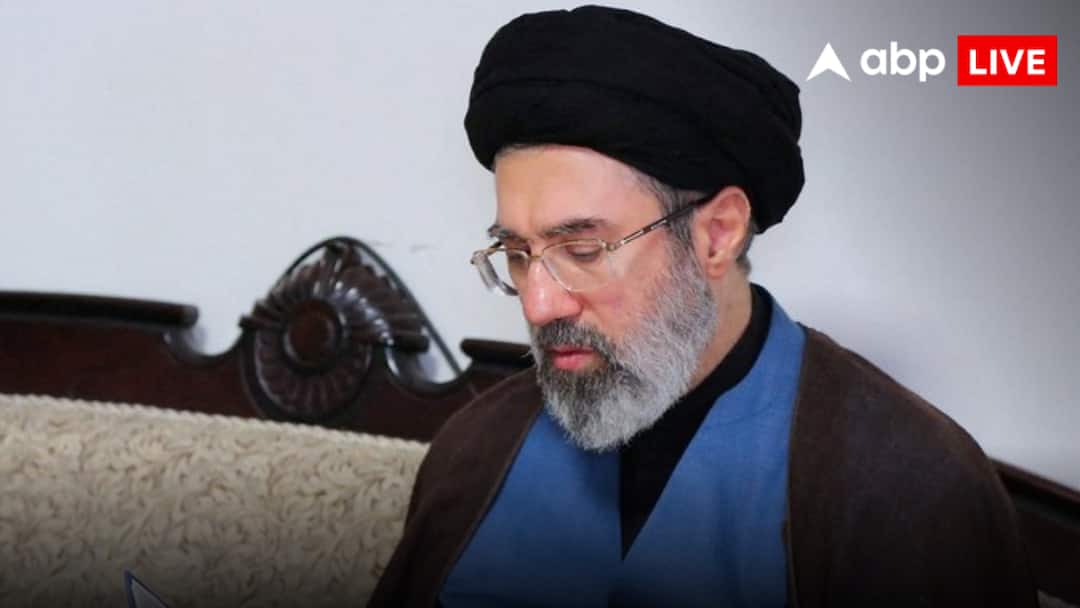
A video claiming to show Iran’s Supreme Leader in a military command center planning strikes against Israel’s nuclear facilities has been exposed as likely fabricated, according to digital forensics experts and fact-checkers who examined the footage closely.
The manipulated video, which spread rapidly across social media platforms this week, purportedly shows Mojtaba Khamenei entering a military operations room where a large display features Israel’s Dimona nuclear reactor alongside targeting coordinates. The clip emerged amid already heightened tensions in the Middle East, potentially designed to escalate fears of imminent military confrontation between the regional adversaries.
Multiple fact-checking organizations have identified telltale signs of digital manipulation throughout the footage. These include inconsistent lighting effects, unnatural facial movements, blurred details, and several glitch-like transitions characteristic of AI-generated content or sophisticated video editing.
“What we’re seeing is a classic example of crisis-time misinformation,” said Daniel Houghton, digital forensics analyst at the Media Verification Institute. “During periods of geopolitical tension, fabricated content tends to spread quickly because it plays into existing anxieties.”
Notably absent from the equation is any acknowledgment or distribution of the video through Iran’s official media channels. Tehran’s state broadcasters and government spokespeople have not verified the footage, which would typically accompany any deliberate messaging about military readiness or strategic positioning.
The Israel Defense Forces (IDF) and Israeli intelligence agencies have likewise refrained from commenting on the specific video, though Israeli officials have previously stated they monitor Iranian communications closely.
The Dimona nuclear facility, featured prominently in the manipulated video, remains one of Israel’s most sensitive strategic assets. Located in the Negev desert, the facility is widely believed to be central to Israel’s undeclared nuclear program, though the country maintains a policy of deliberate ambiguity regarding its nuclear capabilities.
This incident highlights the growing sophistication of digital misinformation in conflict zones. Military and intelligence experts warn that deepfakes and other manipulated media increasingly complicate crisis management and diplomatic efforts in volatile regions.
“The technology to create convincing fakes has democratized rapidly,” explained Dr. Samar Nouri, professor of information warfare at Georgetown University. “What previously required state-level resources can now be accomplished by smaller groups or even individuals with the right software and modest technical skills.”
Social media platforms have struggled to contain the spread of the video, with many users sharing it without verification. The clip initially gained traction through accounts with histories of spreading unverified content about Middle Eastern conflicts.
The timing of the fabricated video coincides with ongoing diplomatic efforts to de-escalate regional tensions following several months of indirect confrontation between Iran and Israel. United Nations officials have expressed concern that misinformation campaigns could derail fragile negotiations currently underway through intermediaries.
Regional analysts note that while the video itself appears fabricated, it reflects genuine strategic concerns. Israel has repeatedly identified Iran’s nuclear program as an existential threat, while Iranian leaders have made numerous statements regarding potential retaliation against Israeli infrastructure in the event of military action against Iranian facilities.
“Even when the specific content is fake, these narratives tap into very real geopolitical dynamics,” said Elham Jafari, senior fellow at the Center for Strategic Studies. “The danger lies in how such fabrications can influence decision-making or public perception during already tense situations.”
Security agencies throughout the region have reportedly increased vigilance against information warfare tactics, recognizing that manipulated media could potentially trigger miscalculations with severe consequences.
Experts urge social media users to exercise caution when encountering dramatic claims about military developments, particularly those lacking verification from established news organizations or official government sources.
Fact Checker
Verify the accuracy of this article using The Disinformation Commission analysis and real-time sources.

22 Comments
Interesting update on Fact Check: Viral Video Claims to Show Mojtaba Khamenei in Iran’s War Room During US Conflict. Curious how the grades will trend next quarter.
Good point. Watching costs and grades closely.
Good point. Watching costs and grades closely.
Exploration results look promising, but permitting will be the key risk.
I like the balance sheet here—less leverage than peers.
Good point. Watching costs and grades closely.
Good point. Watching costs and grades closely.
Uranium names keep pushing higher—supply still tight into 2026.
The cost guidance is better than expected. If they deliver, the stock could rerate.
Good point. Watching costs and grades closely.
Nice to see insider buying—usually a good signal in this space.
Silver leverage is strong here; beta cuts both ways though.
Exploration results look promising, but permitting will be the key risk.
Good point. Watching costs and grades closely.
I like the balance sheet here—less leverage than peers.
Good point. Watching costs and grades closely.
Good point. Watching costs and grades closely.
Exploration results look promising, but permitting will be the key risk.
Good point. Watching costs and grades closely.
Interesting update on Fact Check: Viral Video Claims to Show Mojtaba Khamenei in Iran’s War Room During US Conflict. Curious how the grades will trend next quarter.
Good point. Watching costs and grades closely.
Good point. Watching costs and grades closely.