


Listen to the article
Iran-Israel Conflict: Social Media Awash with Misleading Videos as Tensions Escalate
As military tensions between Iran, Israel, and the United States intensify following reciprocal strikes, social media platforms have become flooded with misinformation. Multiple videos claiming to show recent destruction in Israel from Iranian missile attacks have been circulating widely, but fact-checking reveals these videos are either old or entirely unrelated to the current conflict.
The recent escalation began when the US and Israel launched a joint operation against Iran, which promptly retaliated with missile strikes targeting Israel and American bases in the Gulf region. Amid the genuine news coverage, misleading content has proliferated online, with users sharing outdated footage to capitalize on public interest in the developing situation.
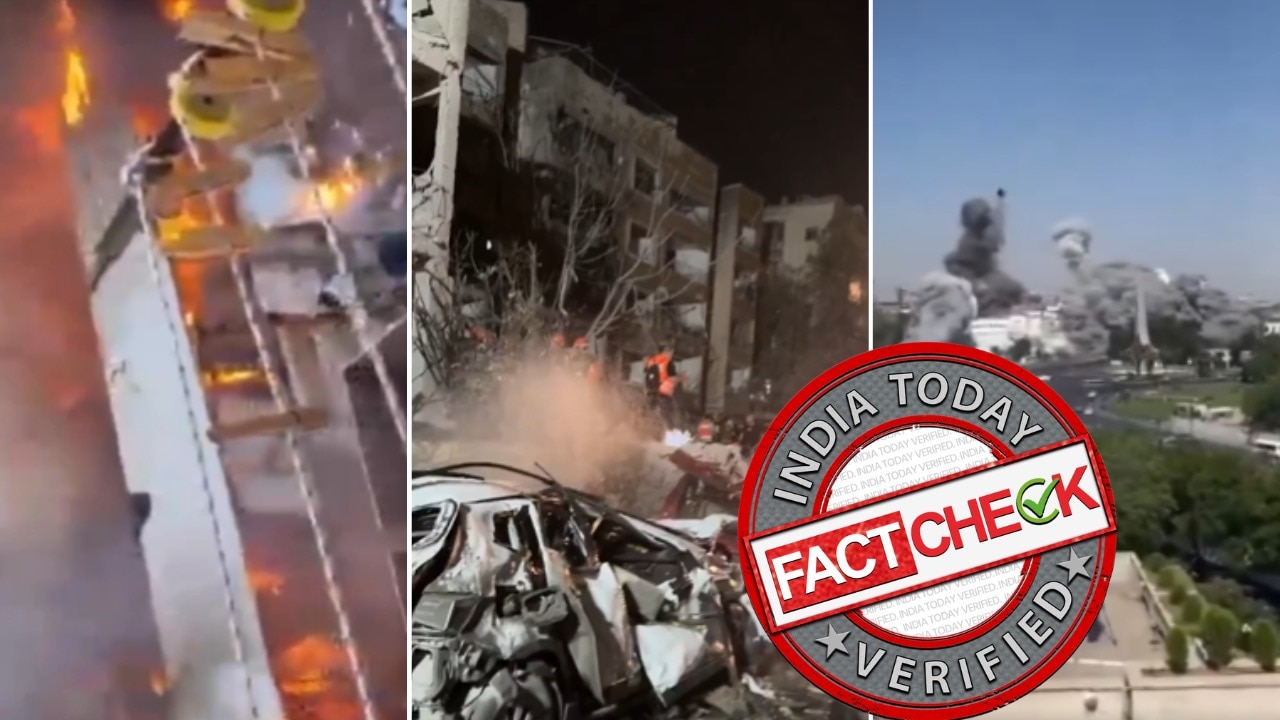
One widely shared video depicts a fire in a walled compound with a firefighter attempting to extinguish the blaze. Social media posts falsely described it as showing “a massive fire at a bus depot and nearby buildings in Holon, a city in the Tel Aviv district, following an Iranian missile strike.”
Investigation reveals this footage actually shows a residential building fire on Corkidi Street in Tel Aviv from October 26, 2024. The incident was reported by multiple Israeli news outlets, including N12 and The Jerusalem Post, which noted that local residents were instructed to remain indoors while firefighting teams worked to extinguish the flames and search for trapped individuals. No connection exists between this fire and any military action.
Another viral video displaying extensive urban destruction—featuring bombed-out buildings and damaged vehicles—has been shared with captions claiming it shows “Tel Aviv now.” Research indicates this footage was actually published by Beirut-based Al Mayadeen and Russian state network RT on June 14, 2025, during what became known as the Twelve-Day War.
That conflict, which occurred between June 13-24, 2025, began when Israel bombed Iranian military and nuclear facilities. Iran responded with thousands of ballistic missiles and drones targeting Israeli civilian centers, military bases, and government sites. The footage captures destruction from that earlier conflict, not current events.
A third misleading video shows an enormous plume of smoke rising into the sky, with posts claiming it depicts “Israel’s Haifa under attack by Iranian missiles.” This footage was published by Malaysian news outlet Harian Metro on July 17, 2025, and actually shows Israeli airstrikes in Damascus, Syria. Both France 24 and the BBC reported on these strikes, which damaged part of the Syrian Defense Ministry building and hit near the Presidential Palace.
The proliferation of such misleading content highlights the challenges facing social media users during international crises. Verification becomes increasingly difficult as emotional reactions to developing events often outpace fact-checking efforts, allowing old or unrelated footage to be misrepresented as current.
Media experts note that during periods of heightened international tension, the volume of misinformation typically surges as users share dramatic content without verification. This pattern has become a consistent feature of modern conflicts, where social media accelerates the spread of both legitimate news and false information.
Regional analysts suggest the circulation of such misleading content may further inflame tensions by creating false impressions about the scale of destruction or the nature of military operations. Security experts continue to monitor the actual situation closely as diplomatic efforts attempt to prevent further escalation between the involved nations.
As the genuine conflict continues to develop, media literacy experts recommend users verify sources and timestamps before sharing dramatic footage, particularly when claims involve major international incidents that would typically receive immediate coverage from established news organizations.
Fact Checker
Verify the accuracy of this article using The Disinformation Commission analysis and real-time sources.

14 Comments
This is a timely reminder of the importance of verifying information, especially during periods of heightened geopolitical tensions. The spread of misinformation, even inadvertently, can have serious consequences. I appreciate the diligence in debunking the false claims circulating on social media.
Yes, it’s crucial that we all take the time to fact-check and scrutinize the sources of information, rather than simply sharing content that aligns with our own biases or emotions. Responsible reporting and individual diligence are essential to maintaining an informed and level-headed public discourse.
This is a good reminder to be cautious about videos and social media claims during conflicts. Fact-checking is crucial to avoid spreading misinformation, even inadvertently. I appreciate the diligence in verifying the origins and context of these viral videos.
Absolutely. It’s all too easy for old or unrelated footage to get recycled and presented as current events. Maintaining a skeptical eye and relying on authoritative sources is so important.
The proliferation of false and outdated footage related to the Iran-Israel conflict is very concerning. Maintaining a skeptical eye and relying on authoritative sources is crucial to avoid inadvertently contributing to the spread of misinformation. I’m glad to see these efforts to debunk the false claims.
Agreed. Social media has made it all too easy for bad actors to amplify false narratives and capitalize on public interest. Fact-checking and verifying the sources and context of information is essential, especially during times of heightened tensions and conflict.
This highlights the challenges of navigating information during conflicts. While social media enables rapid sharing, it also enables the rapid spread of misinformation. I’m glad to see concerted efforts to fact-check and debunk false claims.
Yes, the speed at which misinformation can travel online is alarming. But the work of fact-checkers and journalists to verify claims is crucial in providing the public with accurate, reliable information during these tense situations.
Misleading videos and social media posts can be very damaging, especially when tensions are already high. I appreciate the diligence in identifying and correcting the false information circulating about the Iran-Israel conflict. Maintaining trust in news sources is critical.
Absolutely. In times of crisis, the spread of misinformation can exacerbate an already volatile situation. Fact-checking and responsible reporting are essential to ensure the public has access to accurate, verifiable information.
The proliferation of misleading videos and social media posts around the Iran-Israel conflict is deeply concerning. Fact-checking and verifying sources is so important to counter the spread of disinformation, which can inflame already tense situations. I’m glad to see these efforts to identify and correct the false claims.
Absolutely. In times of crisis, the speed at which misinformation can spread online is alarming. But the work of journalists and fact-checkers to provide accurate, reliable information is crucial in ensuring the public has access to the truth, rather than being misled by false narratives.
The proliferation of misleading content around the Iran-Israel tensions is troubling. Fact-checking is vital to counter the spread of disinformation, which can inflame already volatile situations. I hope more people take the time to verify claims before sharing them.
Agreed. Social media makes it so easy for bad actors to amplify false narratives. Responsible reporting and individual diligence in scrutinizing sources are essential to maintain an informed public discourse.