


Listen to the article
Indian Officials Clarify MEA Spokesperson Did Not Threaten Iran in Recent Briefing
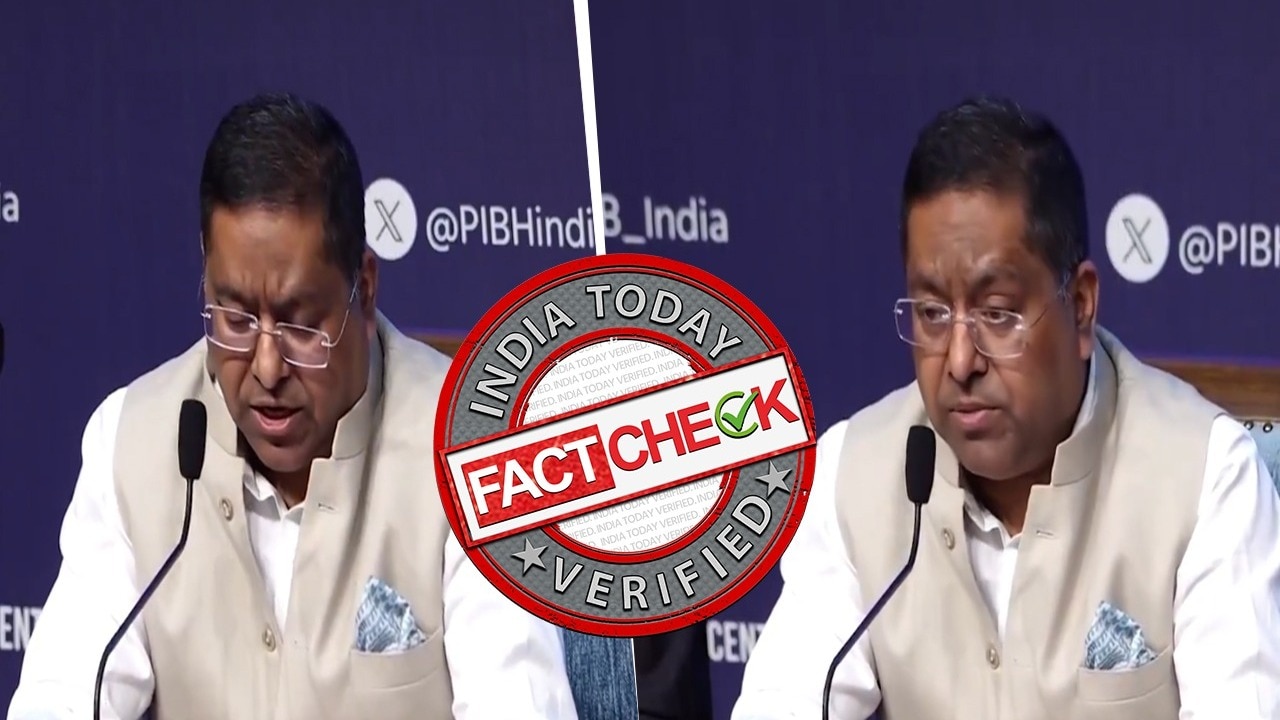
A deepfake video circulating on social media falsely shows India’s Ministry of External Affairs (MEA) spokesperson Randhir Jaiswal issuing threats against Iran and declaring unconditional support for Israel. Fact-checkers have confirmed the video is manipulated and does not represent India’s official position on the ongoing Middle East conflict.
The fabricated video depicts Jaiswal stating: “India completely and unequivocally stands with Israel in this war. I believe Prime Minister Modi has made this clear multiple times.” The manipulated footage goes further, suggesting India would respond with force “harsher than Pakistan” if Iran targeted commercial vessels bound for Indian ports.
The video gained significant traction when shared on X (formerly Twitter) with the caption, “India Issues Stern Warning to Iran Following Recent Threats. Randhir Jaiswal, Spokesperson, MEA, threatens Tehran for the first time.”
India Today’s Fact Check team investigated the claims and determined the video to be an AI-generated deepfake. The team’s analysis included comparing Jaiswal’s speaking style and voice patterns with authentic footage, noting discrepancies in tone, pace, and natural pauses. When subjected to the University of Buffalo’s Deepfake-O-Meter, four different detection algorithms confirmed with near-absolute confidence (98.8-100%) that the audio had been artificially generated.
The actual inter-ministerial briefing, held on March 11, addressed India’s concerns about the safety of its citizens in the Middle East amid rising tensions. During the genuine briefing, which was live-streamed by the Press Information Bureau and the Ministry of Information and Broadcasting, Jaiswal made no statements declaring support for Israel or threatening Iran.
Instead, the MEA spokesperson provided updates on India’s efforts to protect approximately 9,000 Indian nationals currently in Iran. “Several of our students and others who are there, paying heed to our advice to leave the country, have returned home,” Jaiswal actually stated. “Our Embassy is in regular touch with them. We have also relocated some students, other visitors and pilgrims to different cities to ensure their safety.”
The official briefing focused on humanitarian concerns, with Jaiswal noting that two Indian nationals had lost their lives and one remained missing following attacks on merchant vessels in the region. He also detailed how the Indian Embassy in Tehran is assisting citizens seeking to leave via land borders to Armenia and Azerbaijan.
The emergence of this sophisticated deepfake highlights growing concerns about AI-generated misinformation potentially affecting diplomatic relations and international perceptions. Such fabricated content is particularly dangerous in the context of complex geopolitical situations like the ongoing Middle East conflict, where miscommunications could escalate tensions.
Indian authorities have not issued an official statement specifically addressing this deepfake incident, but the government has previously expressed concerns about the proliferation of AI-generated fake content on social media platforms.
The incident underscores the importance of verifying information from official government channels and reputable news sources, particularly when claims involve sensitive diplomatic positions or potential military threats.
Fact Checker
Verify the accuracy of this article using The Disinformation Commission analysis and real-time sources.

8 Comments
Fascinating case of a deepfake video. It’s concerning how advanced AI can be used to fabricate such convincing but false content. I’m glad the fact-checkers were able to verify the MEA spokesperson’s comments were manipulated.
This highlights the need for robust fact-checking and media literacy efforts. As AI capabilities advance, the potential for malicious actors to create convincing disinformation will only increase.
The ability to create such realistic deepfake videos is truly impressive, but also alarming. I’m glad the true nature of this video was exposed before it could cause real damage.
Agreed. Tackling the spread of deepfakes will be an ongoing challenge, but it’s crucial that we stay vigilant and rely on trusted, fact-based sources of information.
This is a concerning trend of using advanced AI to create misleading content. I’m glad the fact-checkers were able to debunk the claims quickly. We must stay informed and critical consumers of news and information.
I appreciate the transparency from Indian officials in clarifying that the video was fabricated. Calling out deepfakes helps maintain trust in public institutions and the integrity of information.
This is a timely reminder of the importance of verifying information, especially when it comes to sensitive geopolitical issues. Deepfakes pose a real threat to public discourse and can be used to sow division.
Absolutely. We must remain vigilant and cross-check claims, especially from unverified sources. Fact-checking is crucial to combat the spread of disinformation.