


Listen to the article
Bangladesh authorities have clarified that a viral video depicting mob violence is unrelated to recent election results, contrary to widespread claims on social media platforms.
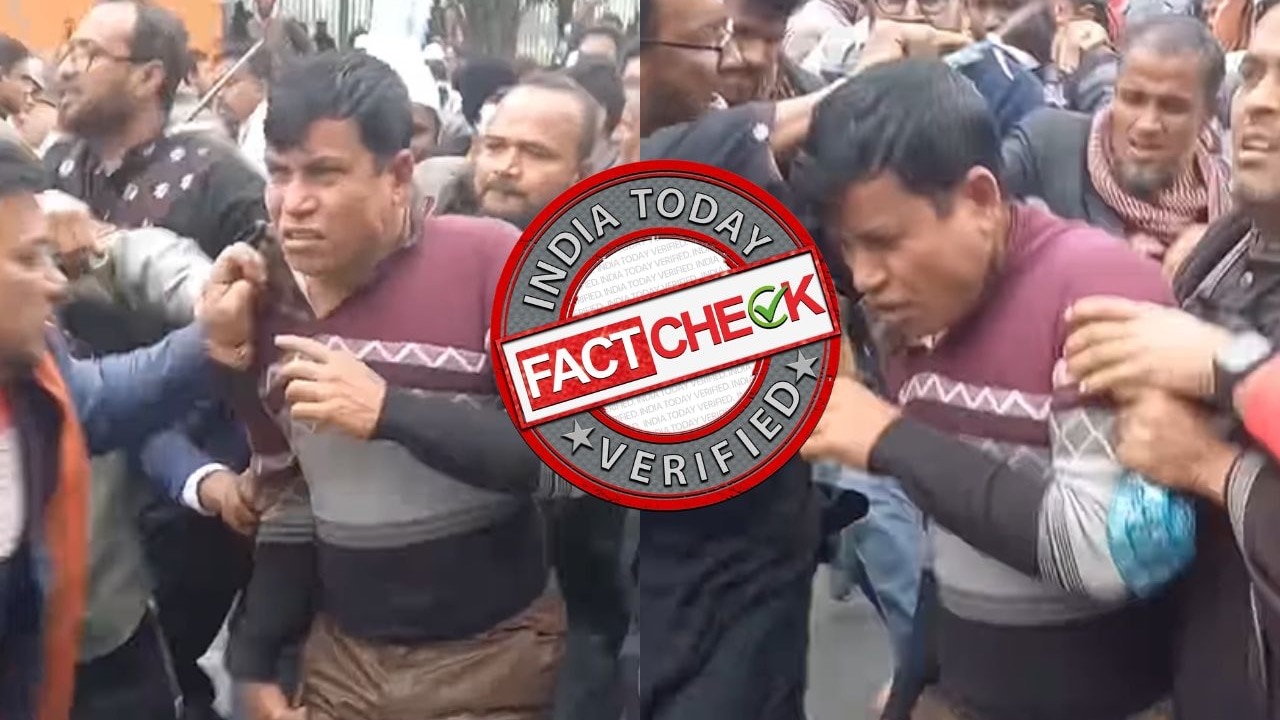
The footage, which shows a man being beaten by a crowd, had been circulating with captions suggesting it showed Islamist mobs attacking Hindus in retaliation for Jamaat-e-Islami’s poor showing in Bangladesh’s national elections. The Islamist party won only 68 of the 199 seats it contested, while the Bangladesh Nationalist Party (BNP) secured a commanding victory with 209 seats.
An investigation by fact-checkers has revealed that the video actually predates the election by several weeks. The incident occurred on December 31 last year during the funeral procession of former Prime Minister Khaleda Zia, who led the BNP for decades before her death.
Multiple Bangladeshi news outlets, including Bangla TV and Dhaka Today, reported on the incident when it happened. According to these sources, the violence took place at Manik Mia Avenue in Dhaka, where thousands had gathered to pay respects to the former prime minister.
Eyewitness accounts and additional footage from different angles confirm that the man was assaulted after allegedly shouting “Jai Bangla” – a slogan historically associated with the Awami League party – during the funeral procession. In one news report’s footage, bystanders can be heard explaining the situation, with one voice asking, “What happened?” and others responding, “He was shouting Jai Bangla.”
The “Jai Bangla” slogan carries significant political weight in Bangladesh. It is closely tied to the Awami League, which was founded by Sheikh Mujibur Rahman, father of recently ousted Prime Minister Sheikh Hasina. Following the 2024 uprising that ended Hasina’s 15-year rule, tensions between political factions have remained high, with several reported cases of violence against people perceived to be Awami League supporters.
The mischaracterization of the video highlights the volatile information landscape surrounding Bangladesh’s political transition. After decades of power alternating between the Awami League and the BNP, often accompanied by violence and recrimination, many observers have expressed concern about potential communal tensions in the post-election environment.
Bangladesh, a predominantly Muslim country with a significant Hindu minority (approximately 8% of the population), has experienced periodic communal violence throughout its history. International human rights organizations have repeatedly called for protection of religious minorities during political transitions.
The spread of this misleading footage underscores the challenges of information verification in the digital age, particularly during politically sensitive moments. Social media platforms have become powerful vectors for both genuine news and misinformation, requiring increased vigilance from users and media organizations alike.
Local journalists in Bangladesh have emphasized the importance of accurate reporting during this delicate political transition. While there have been isolated incidents of post-election violence reported across the country, security forces have been deployed in vulnerable areas to prevent widespread unrest.
Political analysts note that the BNP’s decisive electoral victory marks a significant shift in Bangladesh’s political landscape after years of Awami League dominance. The new government faces substantial challenges in addressing economic concerns, healing political divisions, and ensuring the safety of all citizens regardless of political or religious affiliation.
While the identity of the victim in the video could not be independently verified, fact-checkers have conclusively determined that the incident was politically motivated rather than religiously driven, and entirely unrelated to the recent election results.
Fact Checker
Verify the accuracy of this article using The Disinformation Commission analysis and real-time sources.

8 Comments
This highlights the need for caution when sharing unverified videos and claims, especially during politically charged times. Fact-checking helps provide proper context and prevent the spread of false narratives.
Well said. Responsible journalism and digital citizenship are essential to counter the spread of misinformation, especially on sensitive topics like elections and inter-religious conflicts.
It’s good to see fact-checking efforts on sensitive political issues. Verifying the context and timeline of viral videos is important to avoid spreading misinformation, especially around elections.
Agreed, fact-checking is crucial to maintain integrity, especially for contentious events with potential for tensions or violence.
It’s concerning to see the original video being used to fuel divisive rhetoric and propaganda around the Bangladesh elections. I’m glad the authorities and fact-checkers were able to clarify the actual context.
This serves as a good reminder to be cautious about sharing unverified videos or claims, especially during election periods when there’s a risk of misinformation being weaponized for political gain.
Verifying the timeline and details of this incident is important to prevent the spread of false information that could inflame communal tensions. Kudos to the fact-checkers for their diligence.
Absolutely. Separating fact from fiction is crucial, especially on sensitive topics with the potential for real-world harm. The fact-checking process here seems thorough and commendable.