


Listen to the article
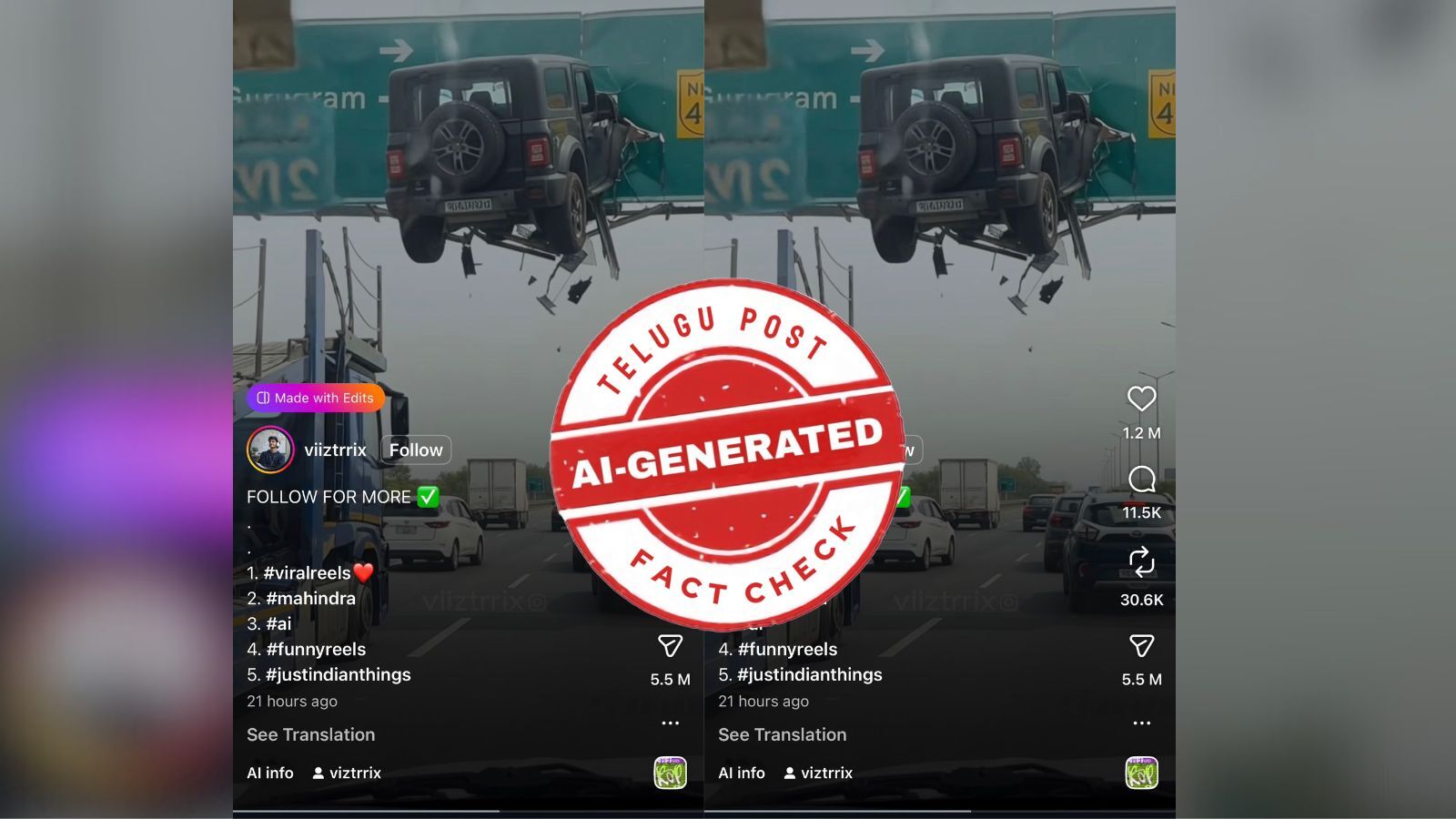
In the age of digital manipulation, a deceptive AI-generated video showing a Jeep precariously hanging from the Delhi-Gurugram Expressway has circulated widely on social media, prompting officials to issue a fact check debunking the false imagery.
The video, which depicts a red Jeep dangling from the elevated expressway structure, has garnered significant attention across various social platforms in recent days. However, transportation authorities and digital forensics experts have confirmed that the footage is entirely artificial, created using advanced AI technology rather than documenting an actual incident.
“There is absolutely no record of such an incident occurring on the Delhi-Gurugram Expressway,” said a senior official from the National Highways Authority of India (NHAI), speaking on condition of anonymity. “We monitor this corridor extensively through CCTV and incident reporting systems, and no such event has been logged by our teams.”
Digital media analysts point to several telltale signs revealing the video’s artificial nature, including inconsistent lighting, physics defying elements, and unnatural textures that are common hallmarks of AI-generated content. The incident highlights growing concerns about the proliferation of synthetic media that can appear convincingly real to casual viewers.
The Delhi-Gurugram Expressway, officially designated as part of National Highway 48, is one of India’s busiest transportation corridors, connecting the national capital with key commercial and industrial zones in Haryana. Any legitimate incident involving vehicle safety on this critical infrastructure would typically trigger immediate emergency response and official documentation.
This case represents a concerning trend in misinformation, as AI-generated content becomes increasingly sophisticated and difficult for average users to identify. Social media platforms have struggled to implement effective safeguards against such deceptive content before it reaches widespread circulation.
“What makes this particularly problematic is how quickly such content spreads across platforms,” explained Dr. Kavita Sharma, a digital media researcher at Delhi University. “Most viewers lack the technical training to distinguish between genuine footage and AI fabrications, especially when the content plays into dramatic scenarios that naturally draw attention.”
Law enforcement agencies have expressed growing concern about the potential for such synthetic media to cause public panic or misdirect emergency resources. The Delhi Traffic Police issued a statement via their official social media channels urging citizens to verify unusual incident reports through official channels before sharing them.
“Fabricated content like this not only misleads the public but can potentially divert attention and resources from real emergencies,” the statement noted. “We encourage responsible sharing and fact-checking, particularly when content depicts potential public safety incidents.”
The incident comes amid a broader global conversation about regulating AI-generated content and implementing stronger digital literacy programs. Several major social media platforms have begun testing AI detection tools that could flag synthetic content for users, though such systems remain in early development stages.
Media literacy experts recommend that viewers apply critical thinking when encountering dramatic footage online, looking for official confirmations from credible news sources or government authorities before accepting such content as authentic.
“In today’s digital environment, the responsibility falls increasingly on individuals to approach sensational content with healthy skepticism,” said Rajiv Mehta, director of a Delhi-based media literacy organization. “Checking whether major news outlets have reported an incident and looking for official statements should become second nature when encountering dramatic videos online.”
As AI technology continues to evolve, the challenge of distinguishing fact from fiction in visual media is expected to grow more complex, highlighting the need for both technological solutions and enhanced public awareness about digital manipulation.
Fact Checker
Verify the accuracy of this article using The Disinformation Commission analysis and real-time sources.

12 Comments
While AI-generated content can be useful in many contexts, it’s worrying to see it being exploited to create false narratives. Kudos to the officials for their swift action in debunking this misleading video.
Agreed. The responsible development and use of AI technology is crucial. Identifying and addressing such misuse is an important step in building public trust in emerging technologies.
This is a sobering reminder of the potential risks of AI technology when used irresponsibly. I’m glad the authorities were able to quickly identify and address this case of misinformation.
It’s impressive how quickly the authorities were able to identify this video as AI-generated. The ability to detect such sophisticated digital fakes is an important skill in the modern media landscape.
You’re right. Developing robust digital forensics capabilities is key to combating the spread of misinformation. This incident highlights the need for continued investment in this area.
The ability to create such convincing AI-generated content is both impressive and concerning. Kudos to the digital forensics experts for their work in exposing this fabricated video.
This is a timely reminder of the importance of critical thinking and fact-checking in the digital age. It’s encouraging to see the authorities taking proactive steps to address this issue.
Yes, public education and awareness around media literacy are essential to combating the spread of AI-generated misinformation. Collaborative efforts between officials, tech companies, and civil society will be key.
It’s alarming to see how advanced AI-powered manipulation techniques have become. This incident highlights the need for robust safeguards and transparency measures to protect the public from deceptive content.
This is a concerning development, as AI-generated misinformation can spread rapidly online. It’s good that the authorities have quickly investigated and debunked this fake video. We need to stay vigilant against such digital manipulation tactics.
Absolutely. Fact-checking and transparency from officials are crucial to counter the rise of AI-powered disinformation. Maintaining public trust requires addressing these issues head-on.
While AI has many beneficial applications, this episode shows how it can also be exploited to spread false narratives. Maintaining public trust in digital media will require ongoing vigilance and collaborative efforts.